
 Email Alert

- 0
- 0
- 0
- 0
- 0
- 0
- 0
- 0
- 0
- 0
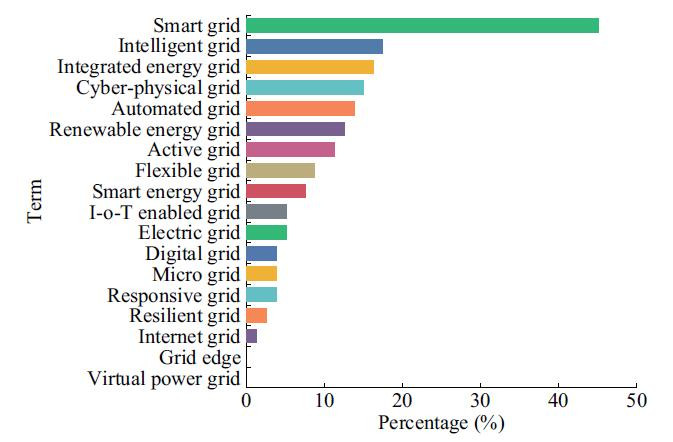 This paper captures an engaging—and at times heated—Power-Globe (PG) discussion of evolving definitions of smart grid technologies. The exchange took place between December 2024 and January 2025. The primary objective of this paper is to clarify some of the ambiguities surrounding the term “smart grid” over the past two decades, as highlighted in the spirited PG debate. “Smart grids” have sometimes been advocated as a panacea to resolve the tension between competing objectives for the provision of electricity (specifically, making it reliable, clean, and affordable). This paper examines the term “smart grid” in terms of raw technical functionalities, applications, and use cases, some of which may get closer than others to meeting the aspirational promises. While smart technology should expand our menu of options, it will not absolve us of the need to make hard decisions.
 This paper provides an overview of the application potential of artificial intelligence (AI) in power systems and points towards prospective developments in the fields of AI that are promised to play a transformative role in the evolution of power systems. Among the basic requirements, also imposed by regulation in some places, are trustworthiness and interpretability. Large language models, foundation models, as well as neuro-symbolic and compound AI models, appear to be the most promising emerging AI paradigms. Finally, the trajectories along which the future of AI in power systems might evolve are discussed, and conclusions are drawn.
 Planning the low-carbon transition pathway of the power sector to meet the carbon neutrality goal poses a significant challenge due to the complex interplay of temporal, spatial, and cross-domain factors. A novel framework is proposed, grounded in the cyber-physical-social system in energy (CPSSE) and whole-reductionism thinking (WRT), incorporating a tailored mathematical model and optimization method to formalize the co-optimization of carbon reduction and carbon sequestration in the power sector. Using the carbon peaking and carbon neutrality transition of China as a case study, clustering method is employed to construct a diverse set of strategically distinct carbon trajectories. For each trajectory, the evolution of the generation mix and the deployment pathways of carbon capture and storage (CCS) technologies are analyzed, identifying the optimal transition pathway based on the criterion of minimizing cumulative economic costs. Further, by comparing non-fossil energy substitution and CCS retrofitting in thermal power, the analysis high-lights the potential for co-optimization of carbon reduction and carbon sequestration. The results demonstrate that leveraging the spatiotemporal complementarities between the two can substantially lower the economic cost of achieving carbon neutrality, providing insights for integrated decarbonization strategies in power system planning.
 In a high-risk sector, such as power system, transparency and interpretability are key principles for effectively deploying artificial intelligence (AI) in control rooms. Therefore, this paper proposes a novel methodology, the evolving symbolic model (ESM), which is dedicated to generating highly interpretable data-driven models for dynamic security assessment (DSA), namely in system security classification (SC) and the definition of preventive control actions. The ESM uses simulated annealing for a data-driven evolution of a symbolic model template, enabling different cooperative learning schemes between humans and AI. The Madeira Island power system is used to validate the application of the ESM for DSA. The results show that the ESM has a classification accuracy comparable to pruned decision trees (DTs) while boasting higher global inter-pretability. Moreover, the ESM outperforms an operator-defined expert system and an artificial neural network in defining preventive control actions.
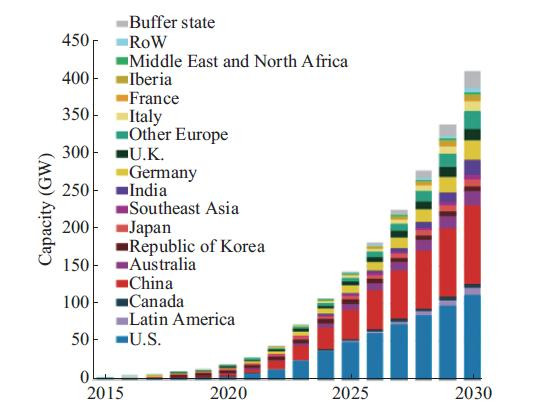 To address environmental concerns, there has been a rapid global surge in integrating renewable energy sources into power grids. However, this transition poses challenges to grid stability. A prominent solution to this challenge is the adoption of battery energy storage systems (BESSs). Many countries are actively increasing BESS deployment and developing new BESS technologies. Nevertheless, a crucial initial step is conducting a comprehensive analysis of BESS capabilities and subsequently formulating policies. We analyze the current roles of BESS and review existing BESS policies worldwide, which focuses on key markets in Asia, Europe, and the U.S.. Using collected survey data, we propose a comprehensive three-phase framework for policy formulation, providing insights into future policy development directions.
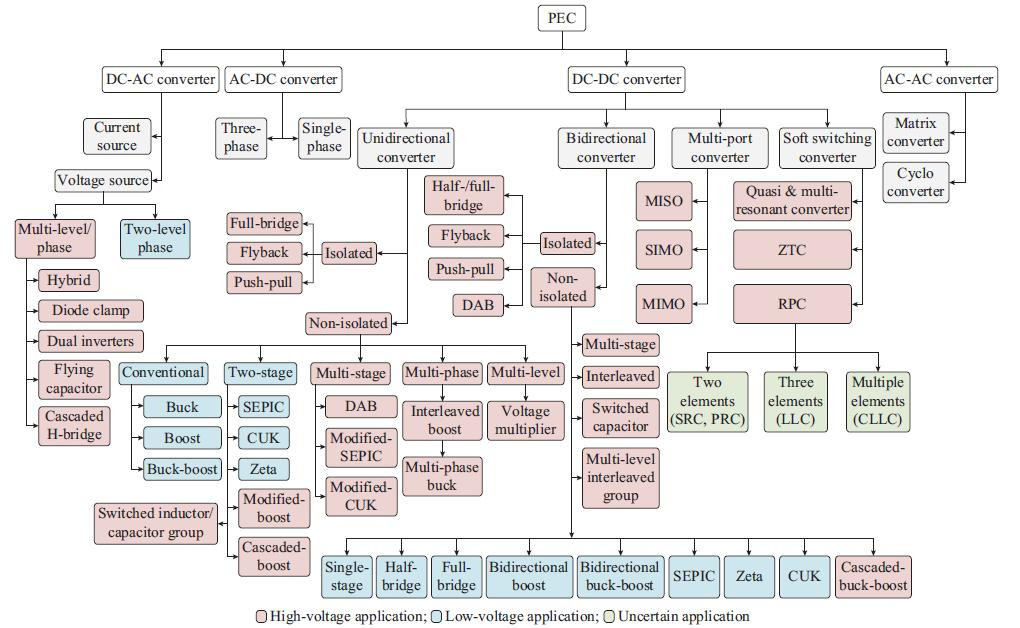 Electric vehicles (EVs) are becoming more popular worldwide due to environmental concerns, fuel security, and price volatility. The performance of EVs relies on the energy stored in their batteries, which can be charged using either AC (slow) or DC (fast) chargers. Additionally, EVs can also be used as mobile power storage devices using vehicle-to-grid (V2G) technology. Power electronic converters (PECs) have a constructive role in EV applications, both in charging EVs and in V2G. Hence, this paper comprehensively investigates the state of the art of EV charging topologies and PEC solutions for EV applications. It examines PECs from the point of view of their classifications, configurations, control approaches, and future research prospects and their impacts on power quality. These can be classified into various topologies: DC-DC converters, AC-DC converters, DC-AC converters, and AC-AC converters. To address the limitations of traditional DC-DC converters such as switching losses, size, and high-electromagnetic interference (EMI), resonant converters and multiport converters are being used in high-voltage EV applications. Additionally, power-train converters have been modified for high-efficiency and reliability in EV applications. This paper offers an overview of charging topologies, PECs, challenges with solutions, and future trends in the field of the EV charging station applications.
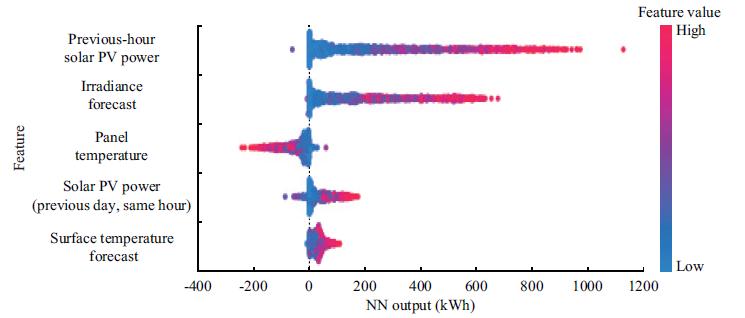
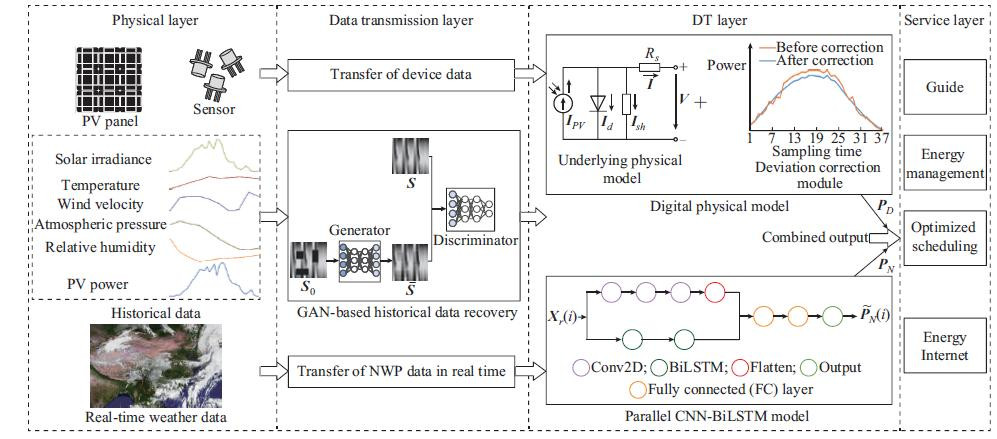 The accurate prediction of photovoltaic (PV) power generation is significant to ensure the economic and safe operation of power systems. To this end, the paper establishes a new digital twin (DT) empowered PV power prediction framework that is capable of ensuring reliable data transmission and employing the DT to achieve high accuracy of power prediction. With this framework, considering potential data contamination in the collected PV data, a generative adversarial network is employed to restore the historical dataset, which offers a prerequisite to ensure accurate mapping from the physical space to the digital space. Further, a new DT-empowered PV power prediction method is proposed. Therein, we model a DT that encompasses a digital physical model for reflecting the physical operation mechanism and a neural network model (i.e., a parallel network of convolution and bidirectional long short-term memory model) for capturing the hidden spatiotemporal features. The proposed method enables the use of the DT to take advantages of the digital physical model and the neural network model, resulting in enhanced prediction accuracy. Finally, a real dataset is conducted to assess the effectiveness of the proposed method.
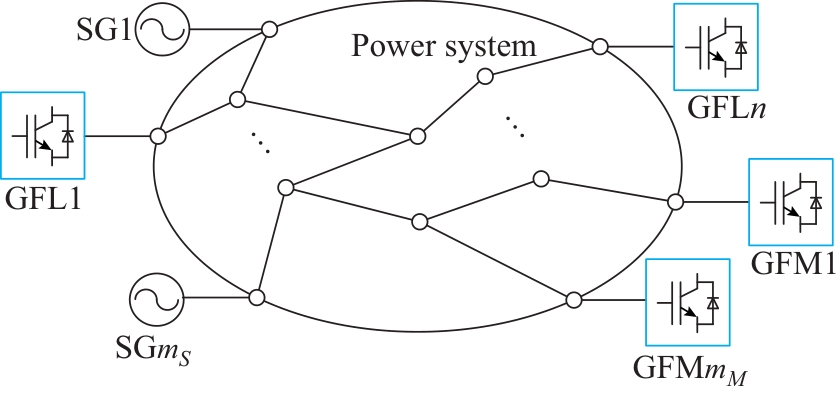
 Oscillations caused by small-signal instability have been widely observed in AC grids with grid-following (GFL) and grid-forming (GFM) converters. The generalized short-circuit ratio is commonly used to assess the strength of GFL converters when integrated with weak AC systems at risk of oscillation. This paper provides the grid strength assessment method to evaluate the small-signal synchronization stability of GFL and GFM converters integrated systems. First, the admittance and impedance matrices of the GFL and GFM converters are analyzed to identify the frequency bands associated with negative damping in oscillation modes dominated by heterogeneous synchronization control. Secondly, based on the interaction rules between the short-circuit ratio and the different oscillation modes, an equivalent circuit is proposed to simplify the grid strength assessment through the topological transformation of the AC grid. The risk of sub-synchronization and low-frequency oscillations, influenced by GFL and GFM converters, is then reformulated as a semi-definite programming (SDP) model, incorporating the node admittance matrix and grid-connected device capacities. The effectiveness of the proposed method is demonstrated through a case analysis.
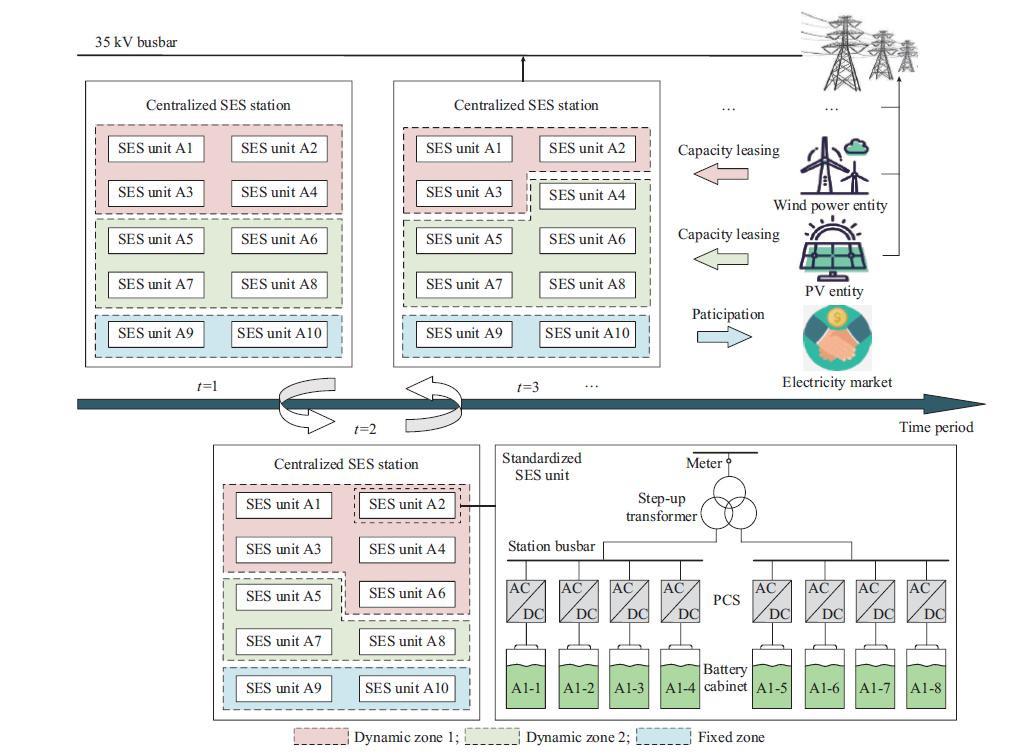 As renewable energy continues to be integrated into the grid, energy storage has become a vital technique supporting power system development. To effectively promote the efficiency and economics of energy storage, centralized shared energy storage (SES) station with multiple energy storage batteries is developed to enable energy trading among a group of entities. In this paper, we propose the optimal operation with dynamic partitioning strategy for the centralized SES station, considering the day-ahead demands of large-scale renewable energy power plants. We implement a multi-entity cooperative optimization operation model based on Nash bargaining theory. This model is decomposed into two subproblems: the operation profit maximization problem with energy trading and the leasing payment bargaining problem. The distributed alternating direction multiplier method (ADMM) is employed to address the subproblems separately. Simulations reveal that the optimal operation with a dynamic partitioning strategy improves the tracking of planned output of renewable energy entities, enhances the actual utilization rate of energy storage, and increases the profits of each participating entity. The results confirm the practicality and effectiveness of the strategy.
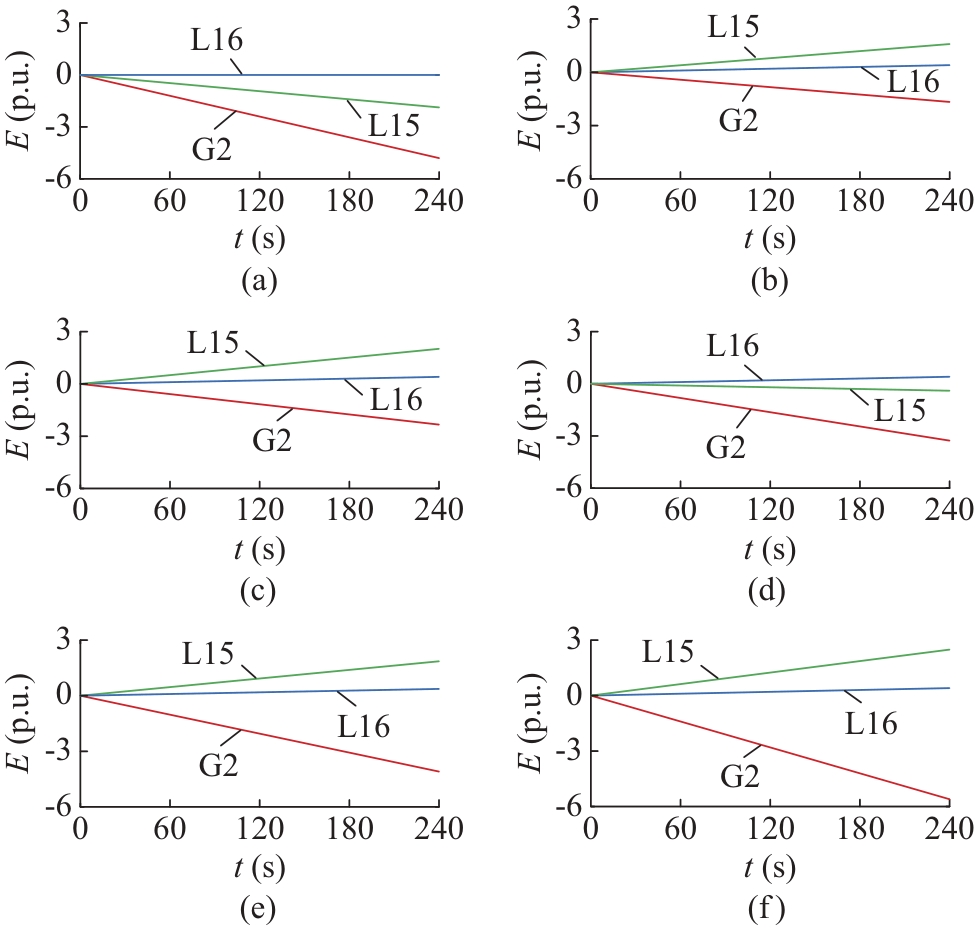
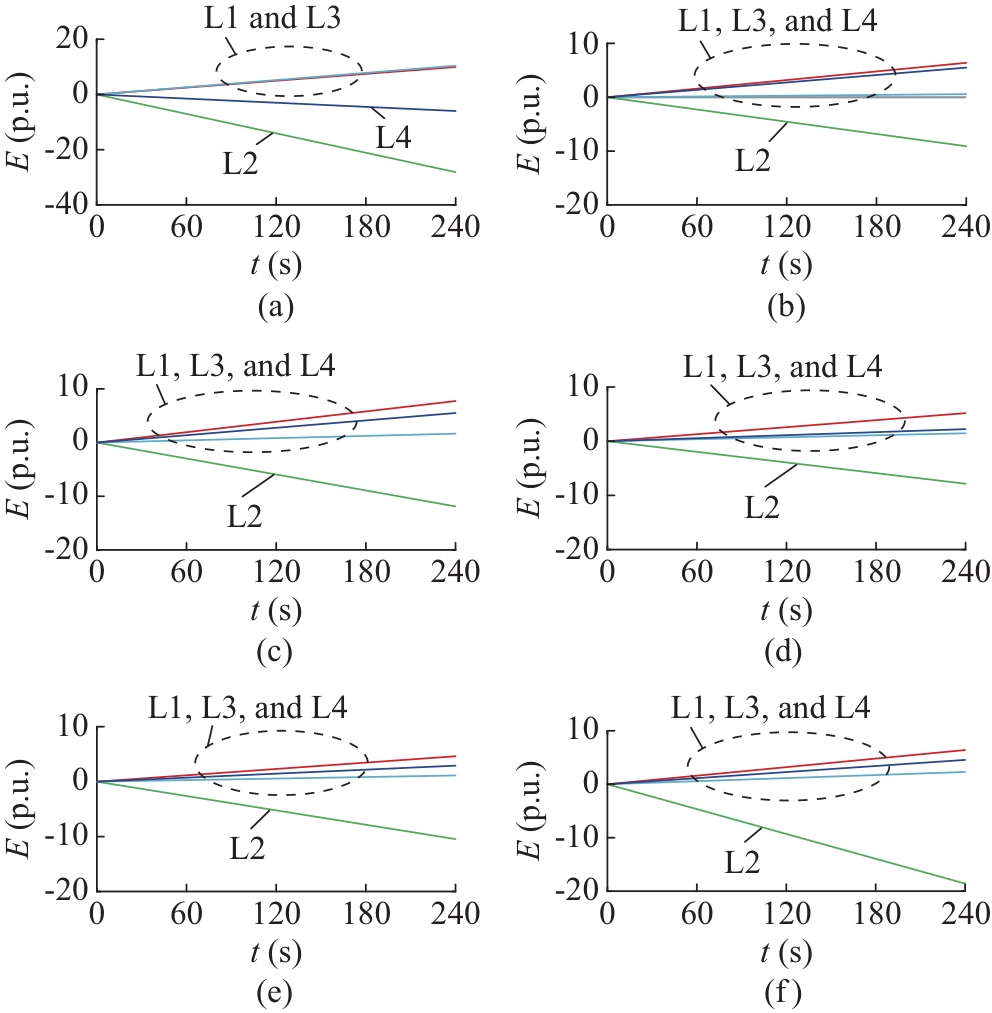
 The utilization of high-voltage direct current (HVDC) lines for the segmentation of the European power grid has been demonstrated to be a highly effective strategy for the mitigation of the risk of cascading blackouts. In this study, an accurate and efficient method for determining the optimal power flow through HVDC lines is presented, with the objective of minimizing load shedding. The proposed method is applied to two distinct scenarios: first, the segmentation of the power grid along the Pyrenees, with the objective of segmenting the Iberian Peninsula from the rest of Europe; and second, the segmentation of the power grid into Eastern and Western Europe, approximately in half. In both scenarios, the method effectively reduces the size of blackouts impacting both sides of the HVDC lines, resulting in a 46% and 67% reduction in total blackout risk, respectively. Furthermore, we have estimated the cost savings from risk reduction and the expenses associated with converting conventional lines to HVDC lines. Our findings indicate that segmenting the European power grid with HVDC lines is economically viable, particularly for segmenting the Iberian Peninsula, due to its favorable cost-risk reduction ratio.
- Current Issue |
- Online First |
- Themed Collections |
- Popular Articles |
- Archive
-
Xiaoyu Zhang, Qiuye Sun, Tianyi Li, Yumeng Song, Zhongming Yao, Yushuai Li
2026,14(5):1549-1567, DOI: 10.35833/MPCE.2025.000685
Abstract:
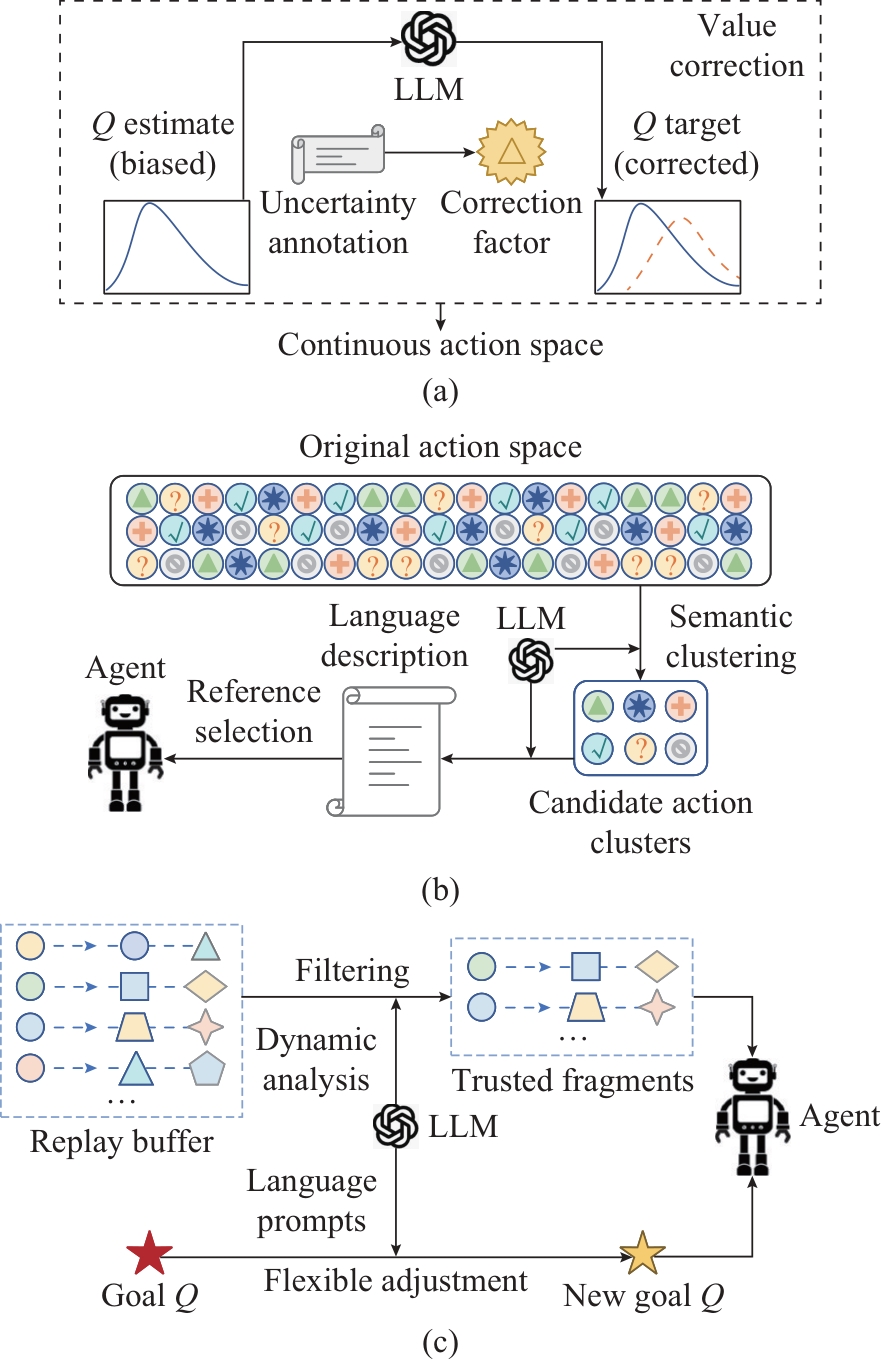
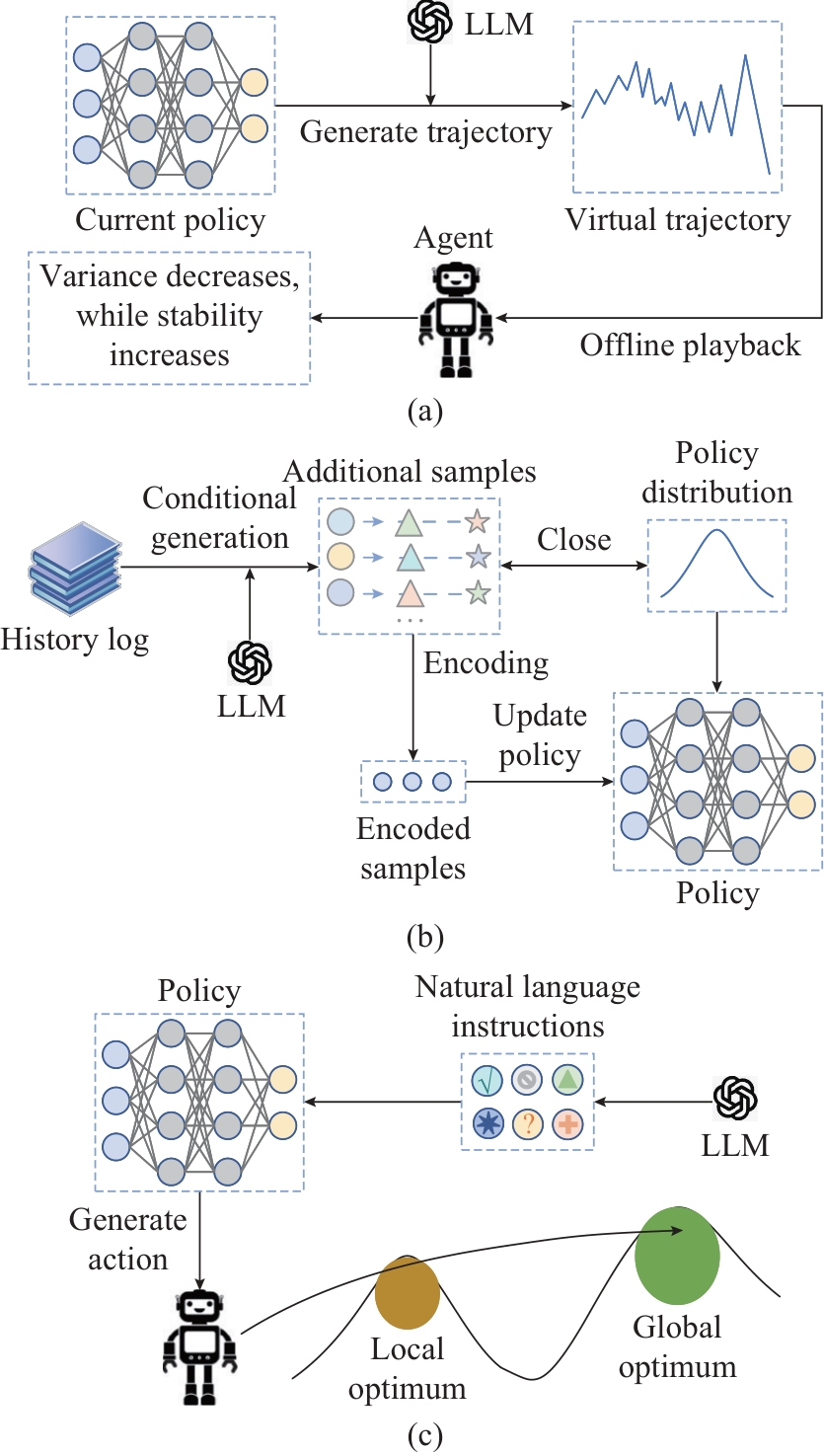
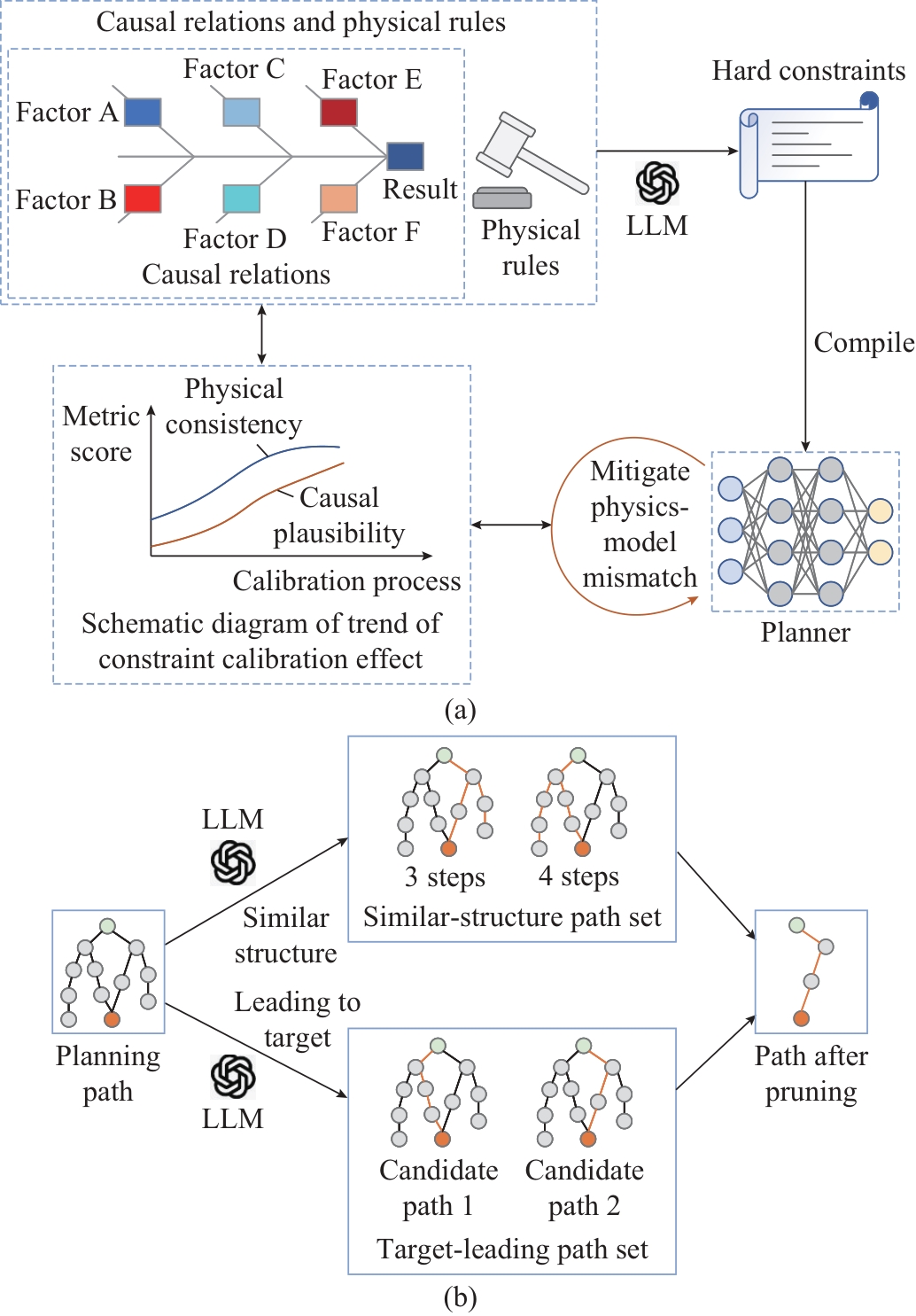
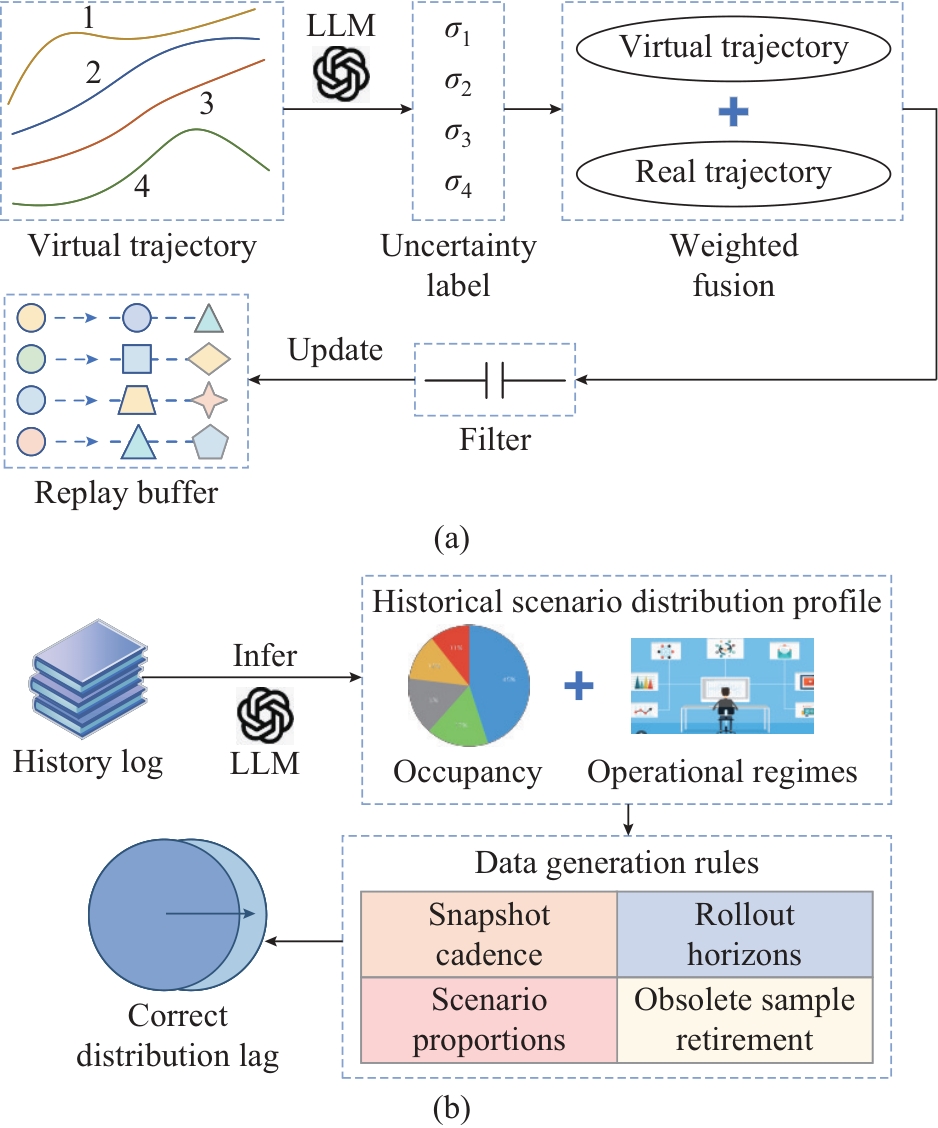
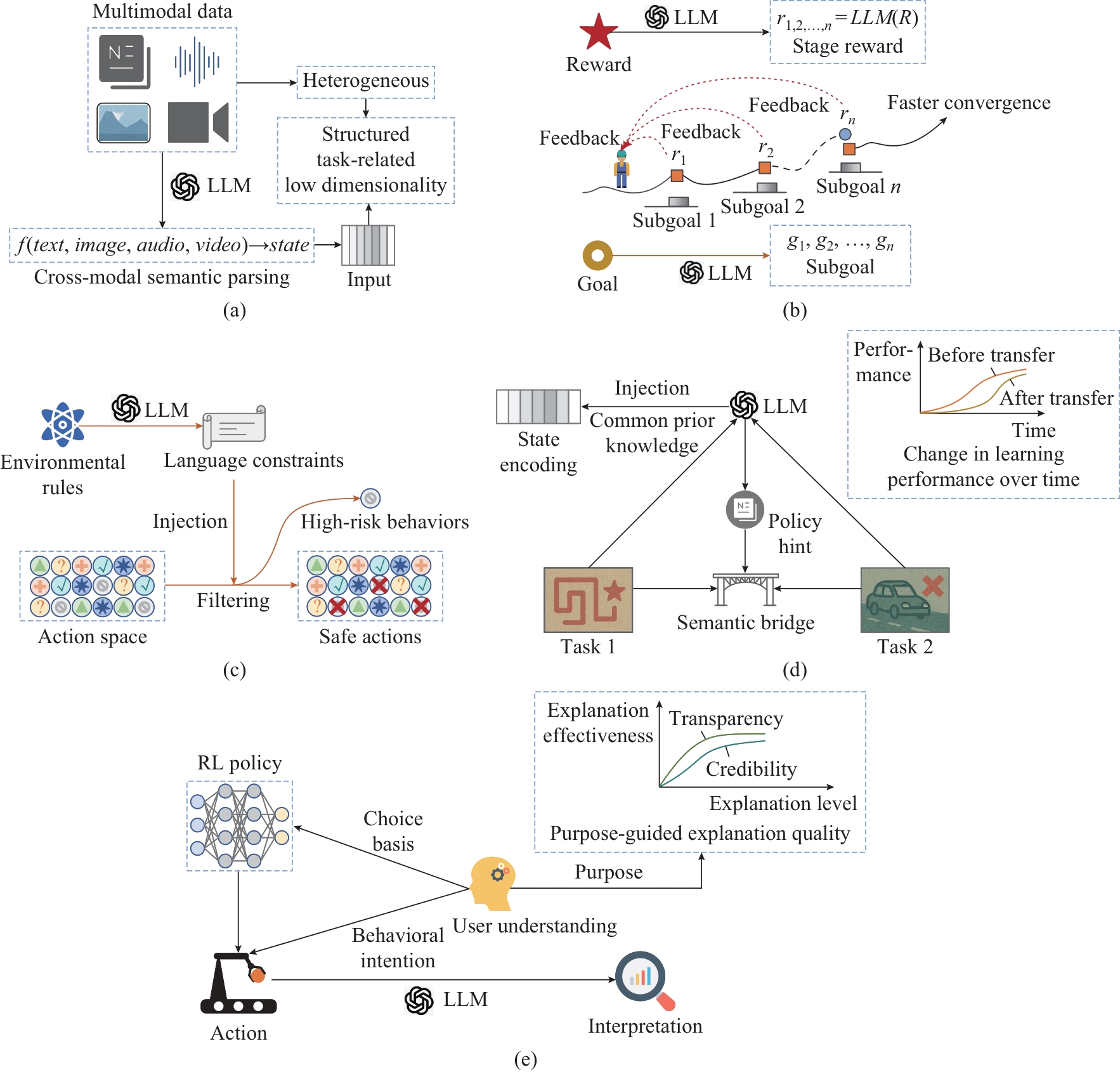
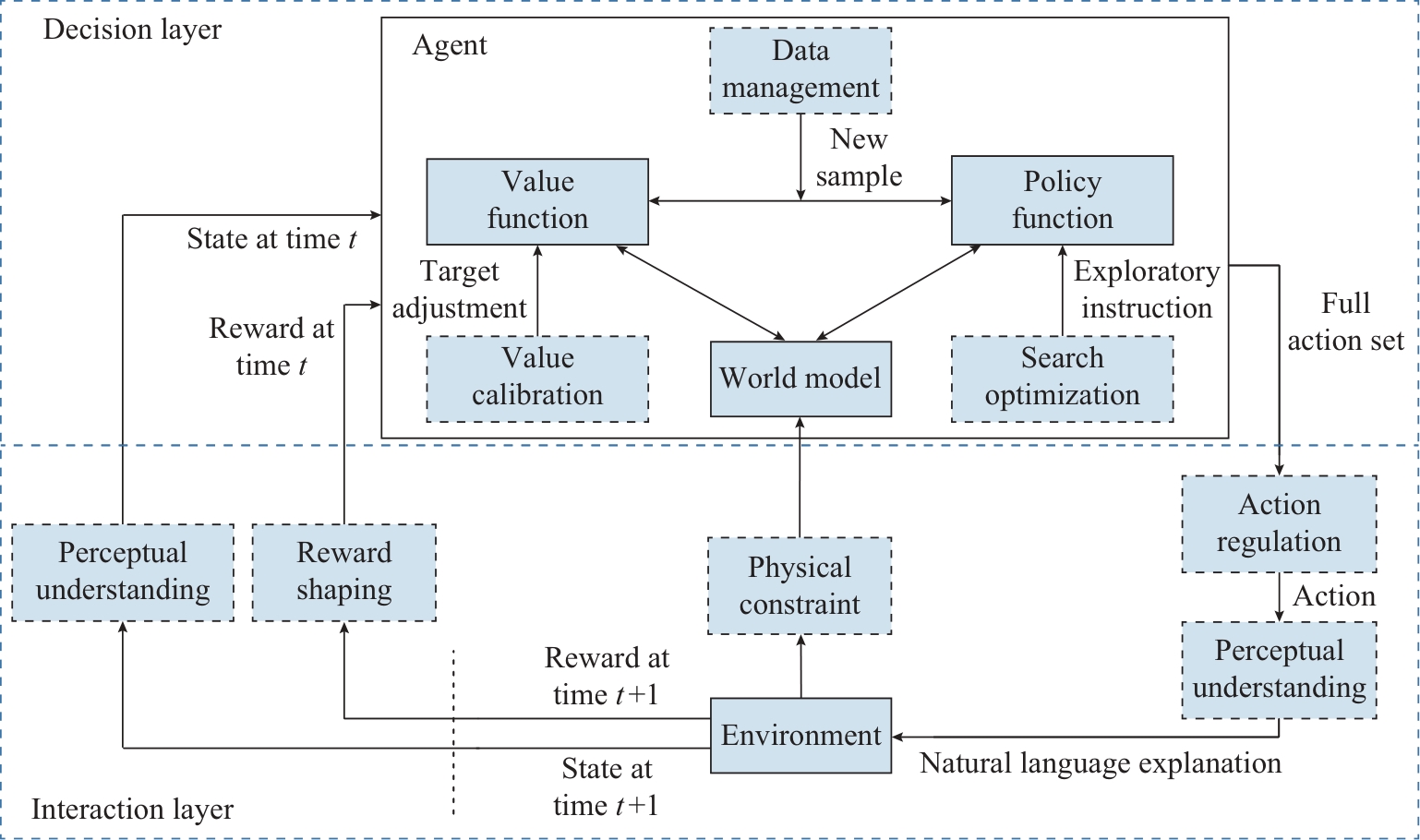
The smart grid (SG) is a modern power system that leverages digital technologies to enhance the generation, delivery, and consumption of electric power. Reinforcement learning (RL) plays an important role in SG by helping make smart decisions. However, RL faces challenges such as sparse rewards, poor generalization, and difficulty in representing and interpreting regulatory constraints. Large language models (LLMs) offer new opportunities to address these challenges by understanding natural language, leveraging external knowledge, and enhancing reasoning. This paper presents a comprehensive review of LLM-enhanced RL for SG. It first analyzes the key challenges of RL and introduces how LLMs help enhance the performance, including a taxonomy based on the integration patterns and functions. It then reviews applications of LLM-enhanced RL for SG, with a focus on energy management, operational control, electricity market, and hardware design. Finally, it discusses research challenges and future directions of LLM-enhanced RL for SG. This paper aims to provide a clear framework for researchers to apply LLMs in RL and to promote the application of RL for SG.
- 1
- 2
- 3
- 4
- 5
- 6
- 7
-
Changsen Feng, Fengwei Zhou, Haoqingzi Shen, Jiaying Wang, Licheng Wang, Fushuan Wen, Youbing Zhang
2026,14(5):1568-1584, DOI: 10.35833/MPCE.2025.000752
Abstract:
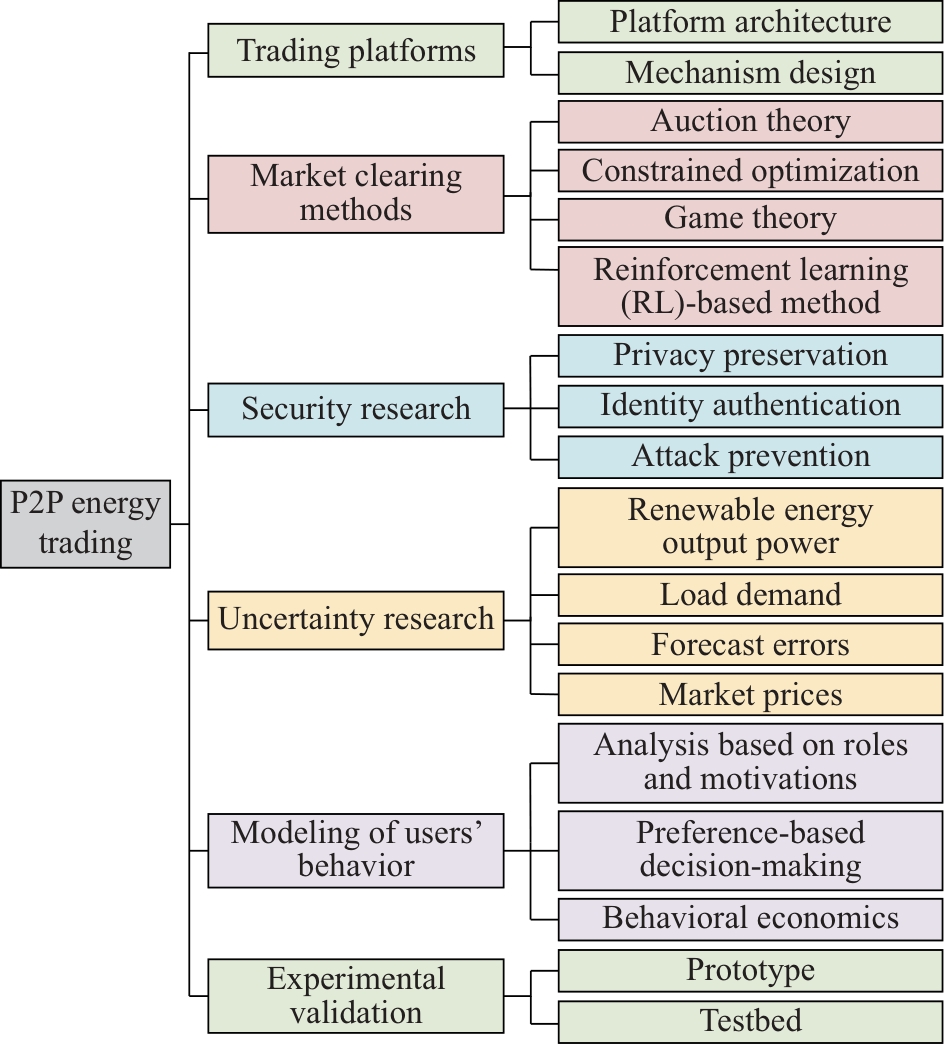
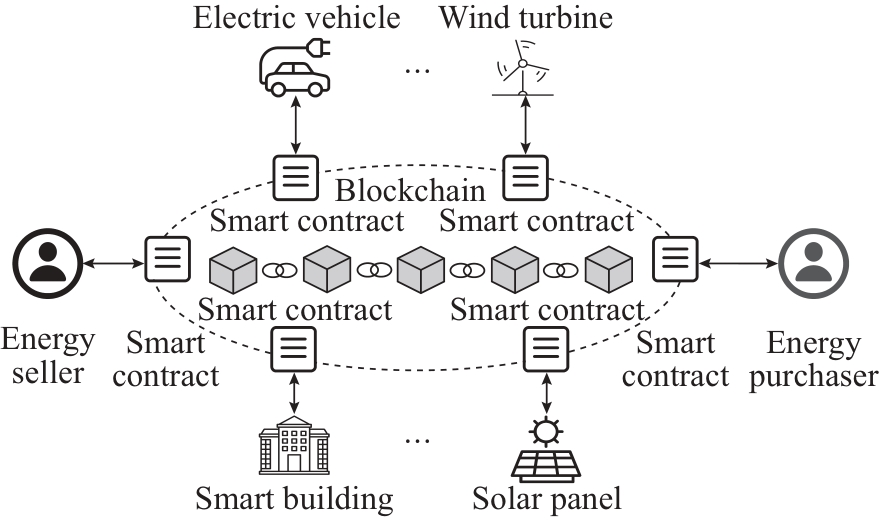
’With the global energy transition towards more decentralized and sustainable systems, peer-to-peer (P2P) energy trading has emerged as a prominent energy exchange model, attracting increasing attention from both academia and industry. P2P energy trading not only facilitates the efficient utilization of distributed energy resources (DERs) but also enables autonomous energy transactions. This paper provides a comprehensive review on P2P energy trading, starting with an explanation of the P2P energy network, P2P market structures, and blockchain in P2P energy trading. The main body reviews existing research from six key research domains: trading platform, market clearing method, security, uncertainty, modeling of users
behavior, and experimental validation. Subsequently, the paper discusses key factors in deployment of P2P energy trading systems. Finally, opportunities and challenges in the future are outlined, and conclusions are drawn. - 1
- 2
- 3
- 4
-
Yu Shan, Huisheng Gao, Jialiang Wu, Linbin Huang, Zhen Wang, Huanhai Xin
2026,14(5):1585-1596, DOI: 10.35833/MPCE.2025.000535
Abstract:
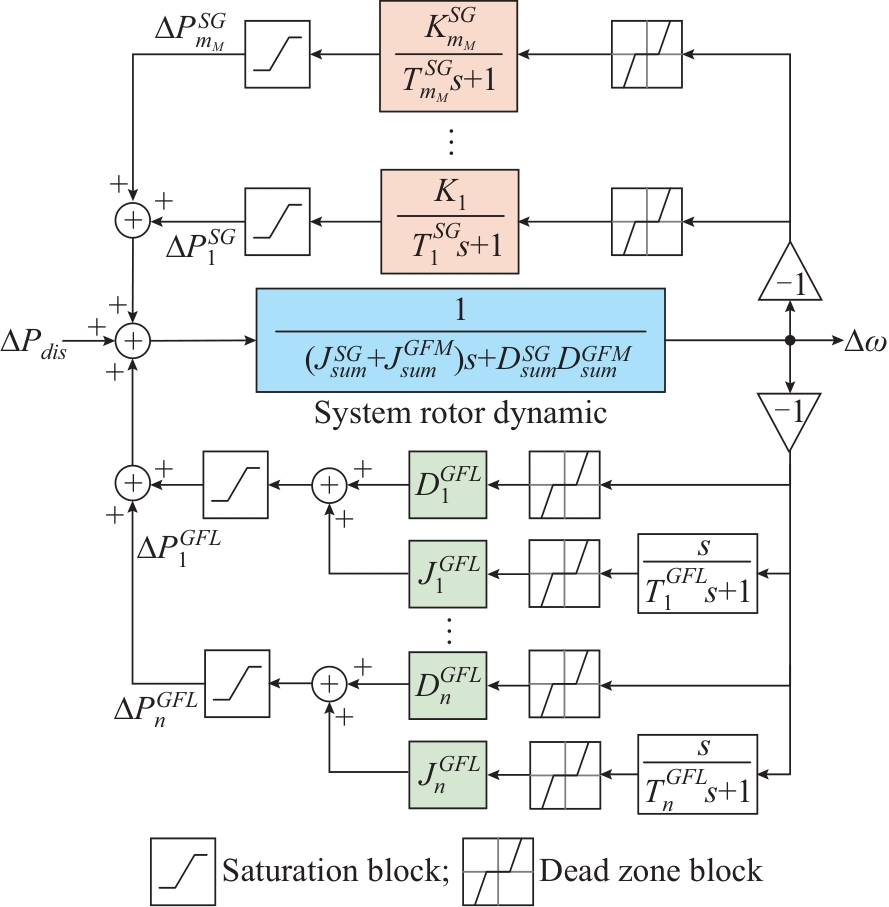
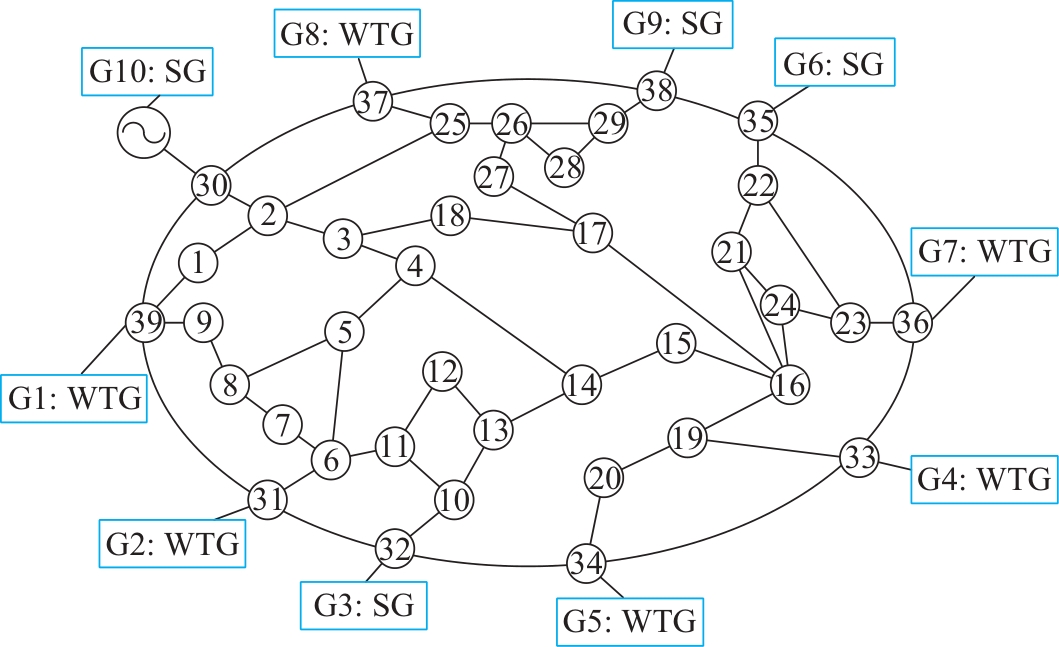
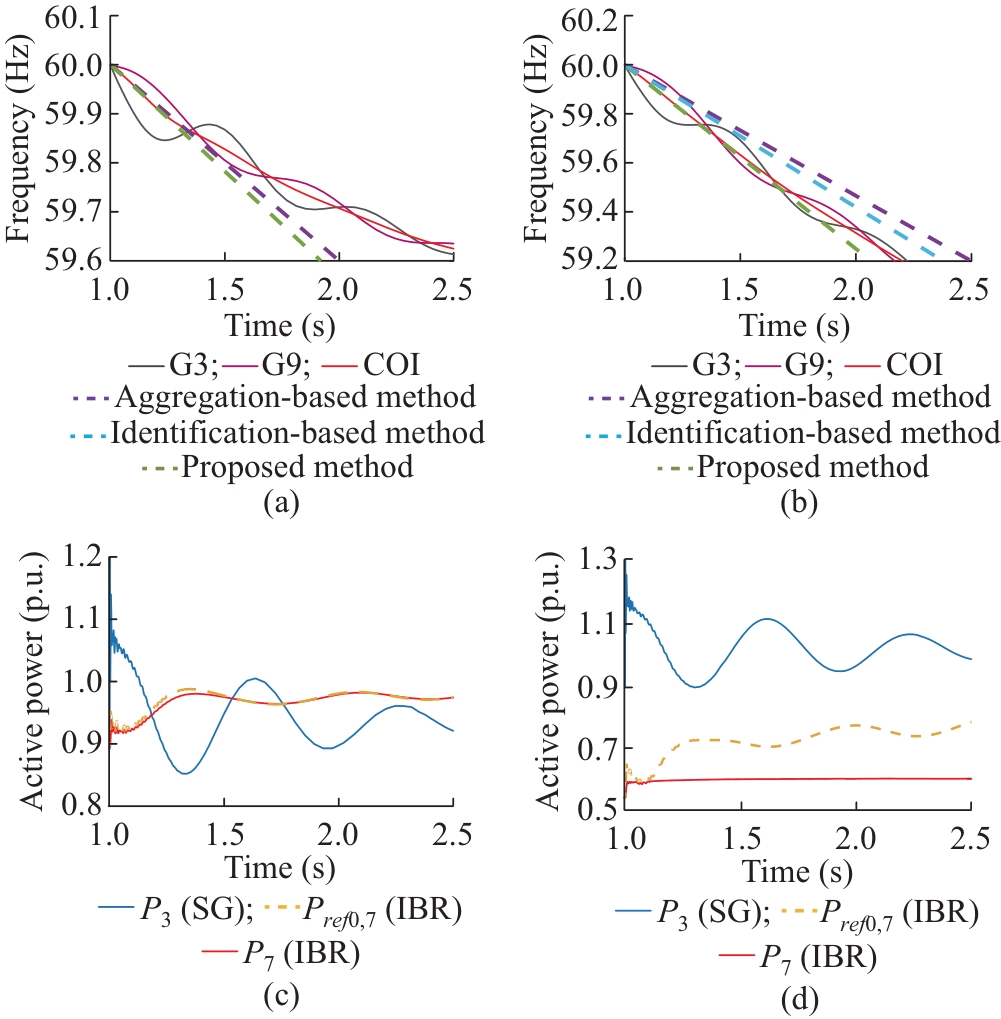
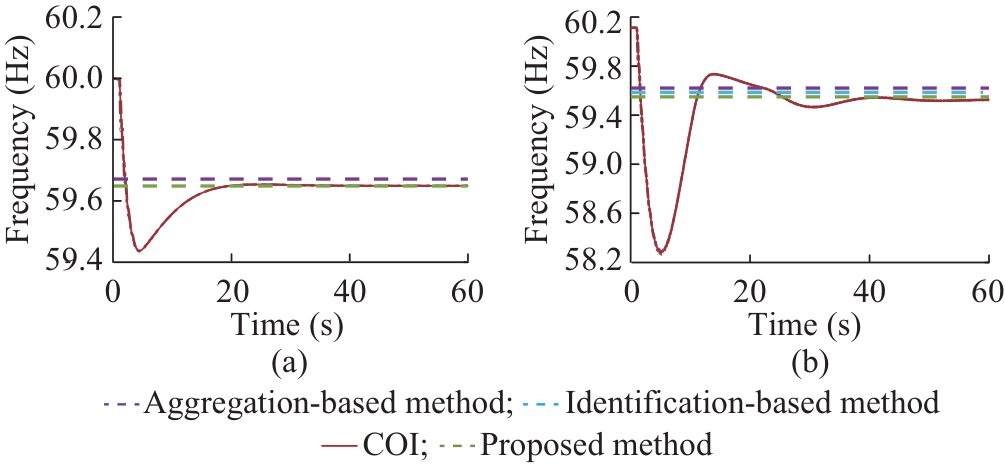
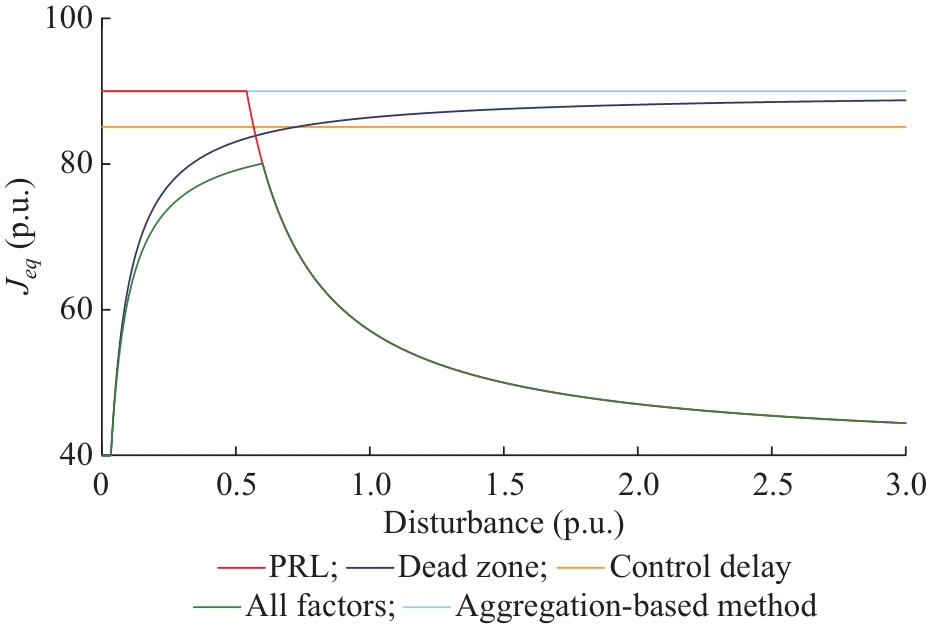
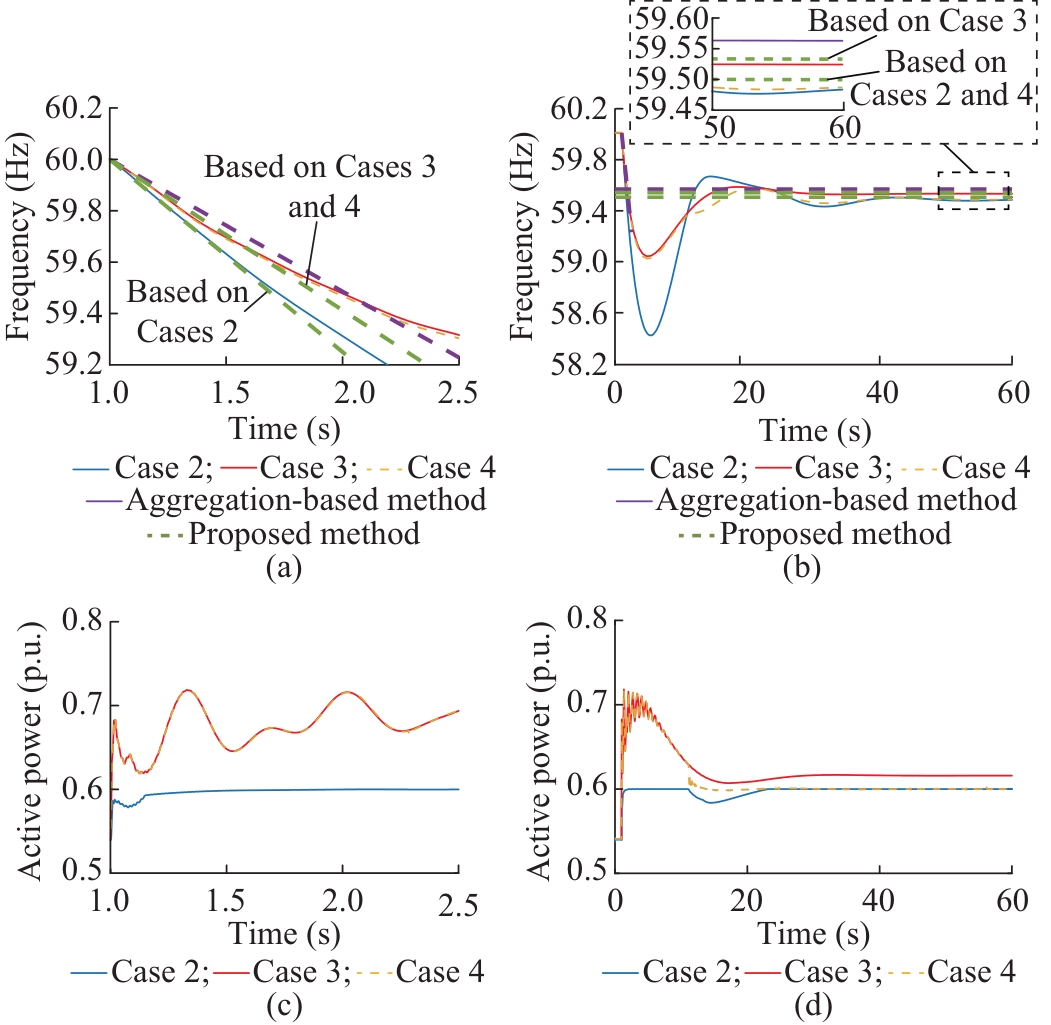
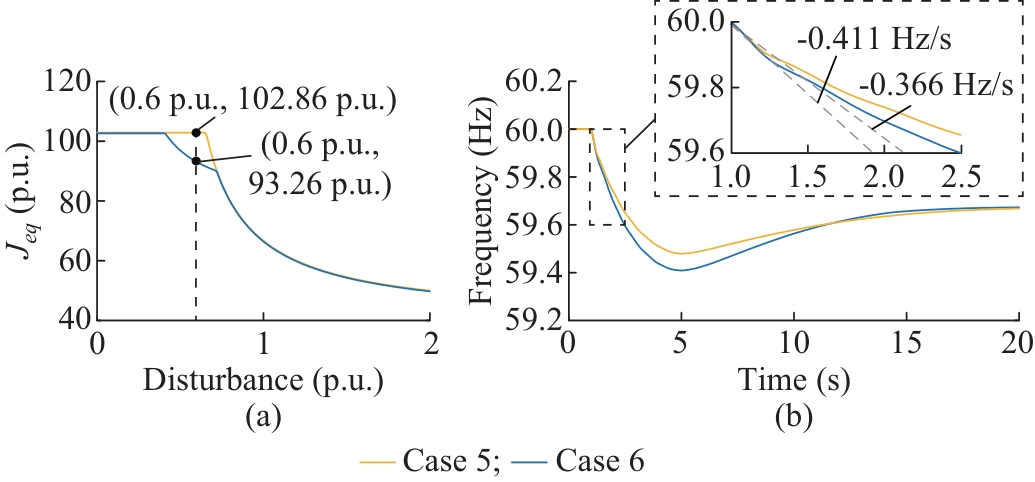
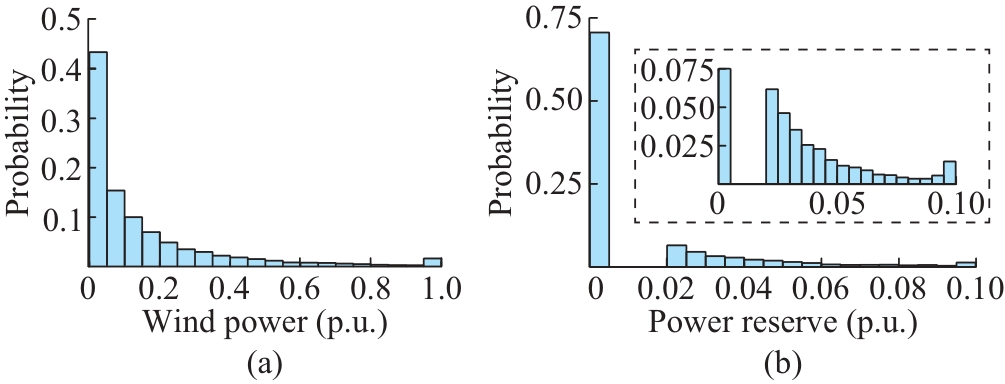
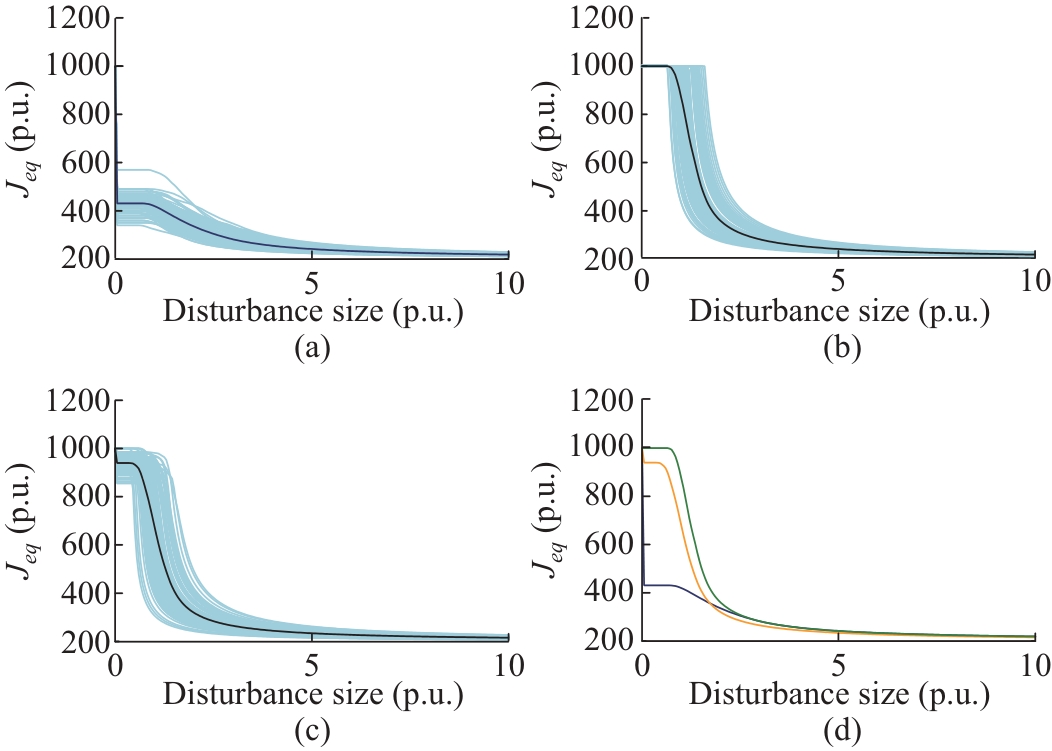
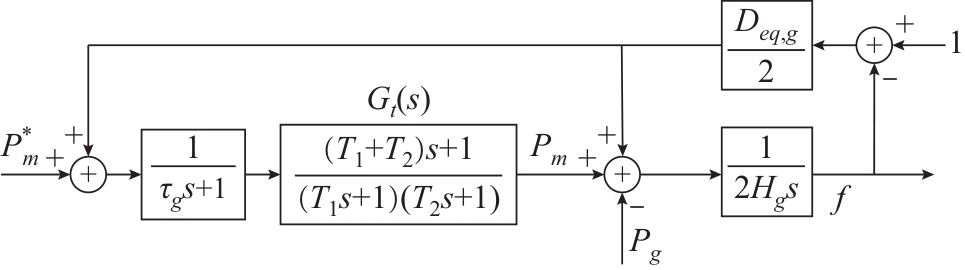
Assessments of equivalent inertia and primary frequency regulation (PFR) are critical for evaluating frequency stability in modern power systems. Traditional methods typically aggregate the contributions of all generation units or rely on system identification during disturbances. However, these methods may yield inaccurate or incomplete results in systems with a high penetration of inverter-based resources (IBRs), as IBRs may reach their power reserve limits (PRLs) and fail to provide the expected frequency support. To overcome this limitation, this paper proposes an assessment method of equivalent inertia and PFR of power systems considering PRLs of IBRs. In addition, dead zones and control delays are incorporated to further enhance the accuracy of the assessment. Based on the assessment results, an optimal parameter-setting approach for equivalent inertia and PFR is then developed. Notably, the theoretical optimal settings are generally difficult to achieve in practice, implying that conventional parameter settings may lead to significantly lower equivalent inertia than expected. The effectiveness of the proposed method is validated through time-domain simulations.
- 1
- 2
- 3
- 4
- 5
- 6
- 7
- 8
- 9
- 10
-
Danyang Xu, Yongzhe Li, Zhigang Wu, Lin Guan
2026,14(5):1597-1608, DOI: 10.35833/MPCE.2025.000344
Abstract:
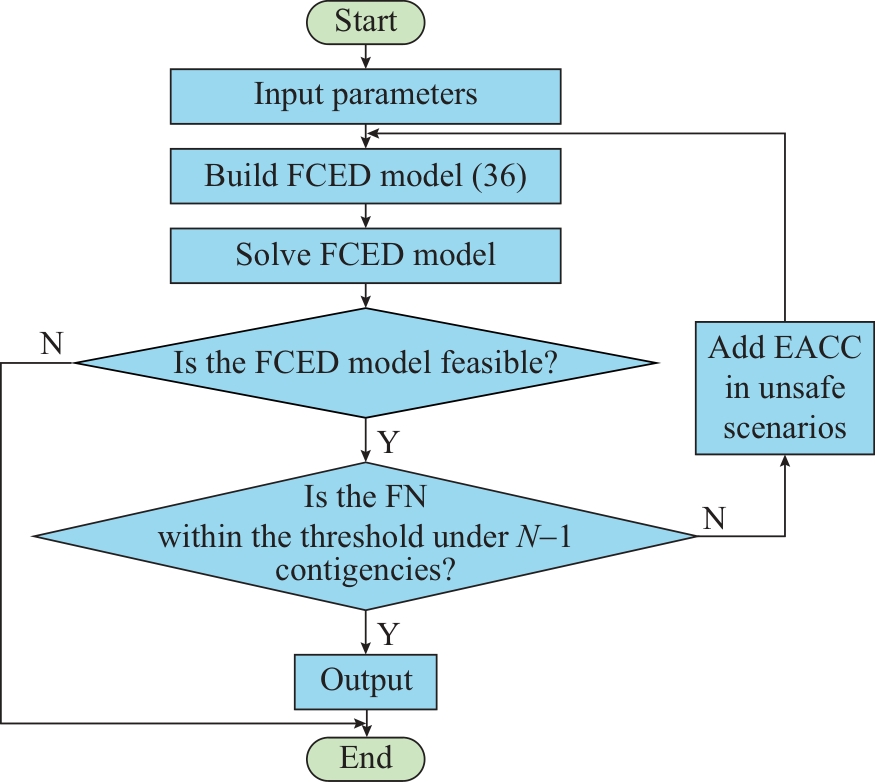
This paper presents a frequency constrained economic dispatch (FCED) method designed to prevent frequency violations under
- 1
- 2
- 3
- 4
- 5
- 6
- 7
- 8
- 9
- 10
- 11
- 12
-
Tianqi Liu, Yuehai Chen, Qiao Peng, Tingyun Gu, Yu Wang
2026,14(5):1609-1621, DOI: 10.35833/MPCE.2025.000562
Abstract:
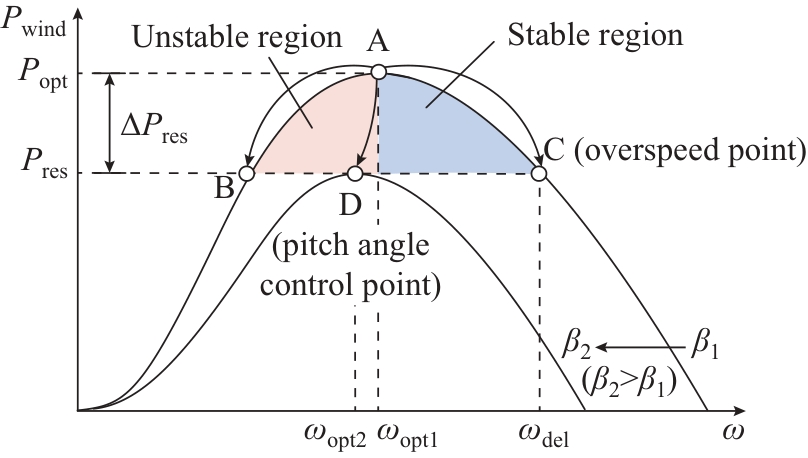
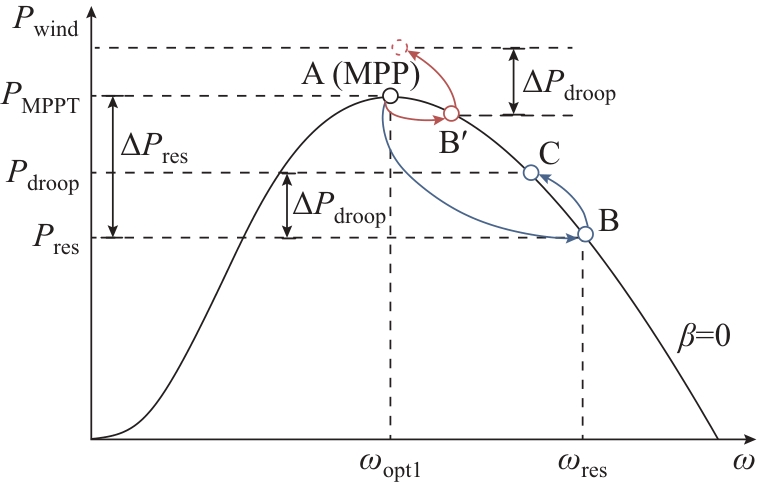
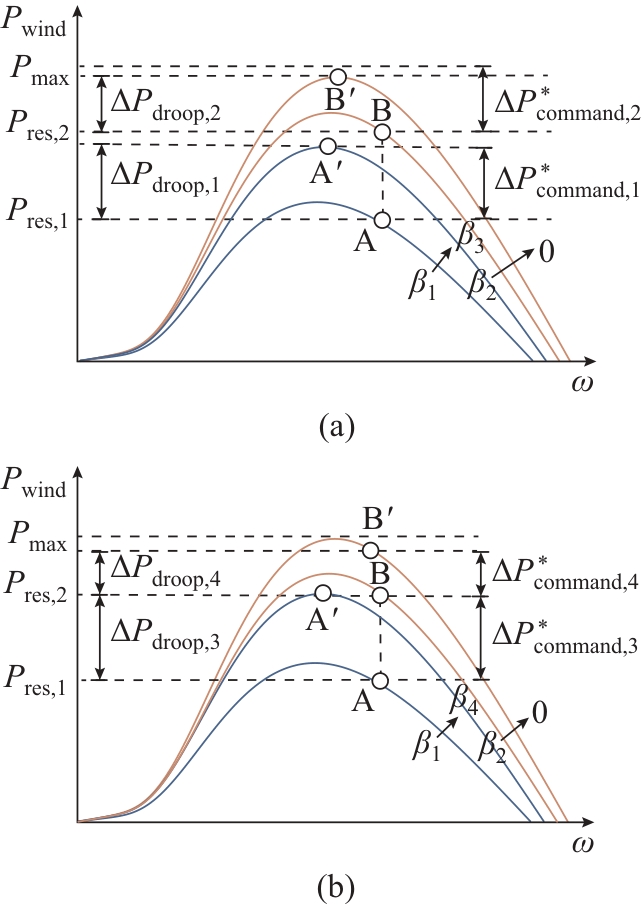
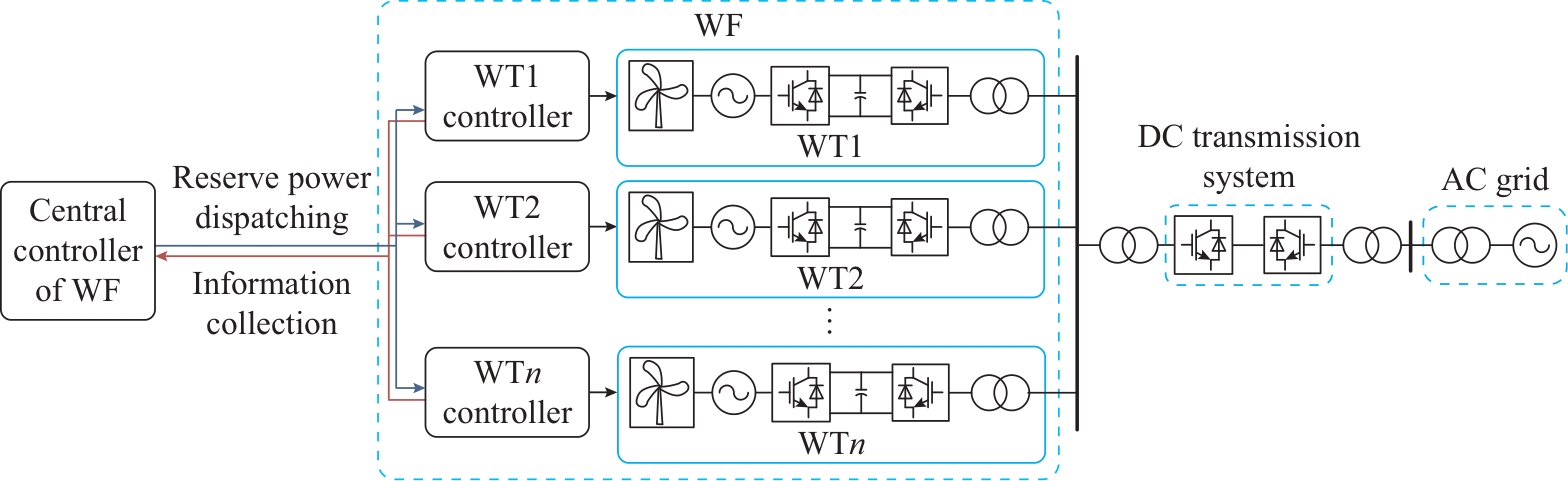
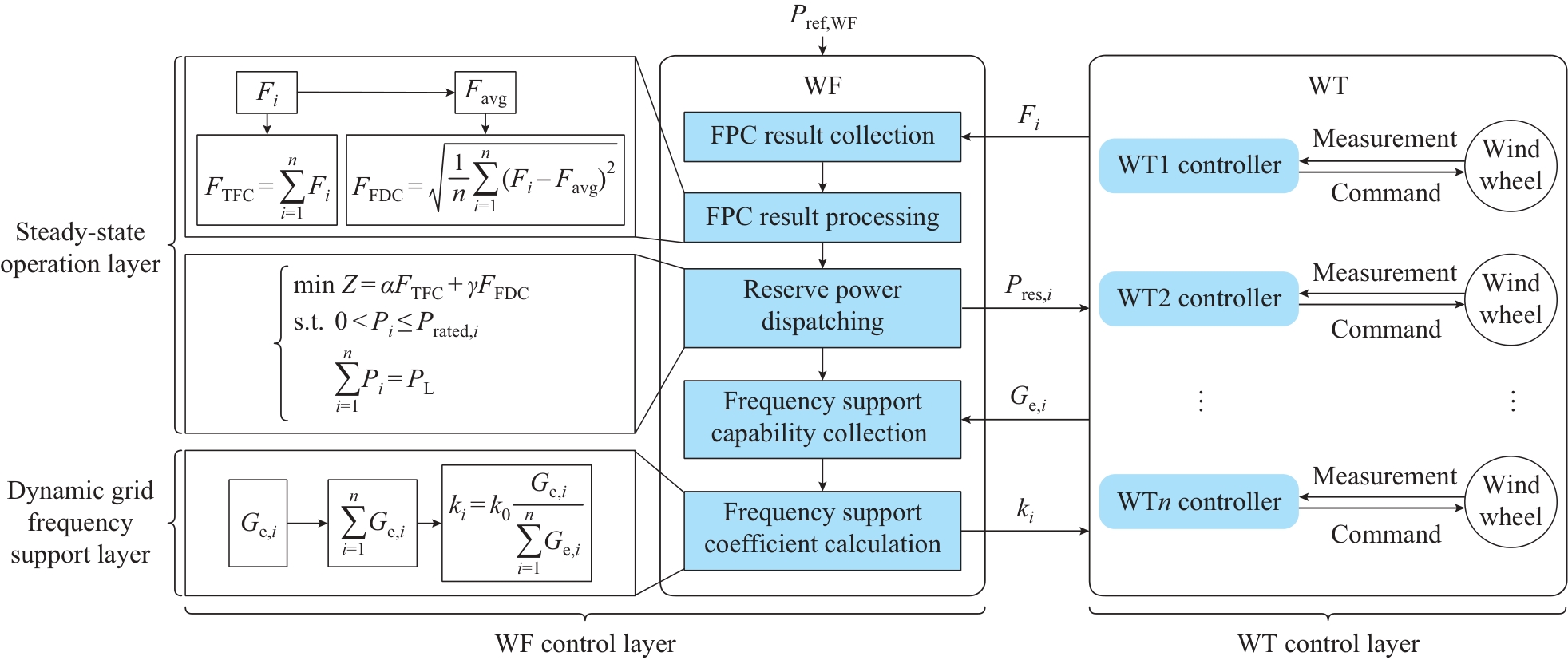
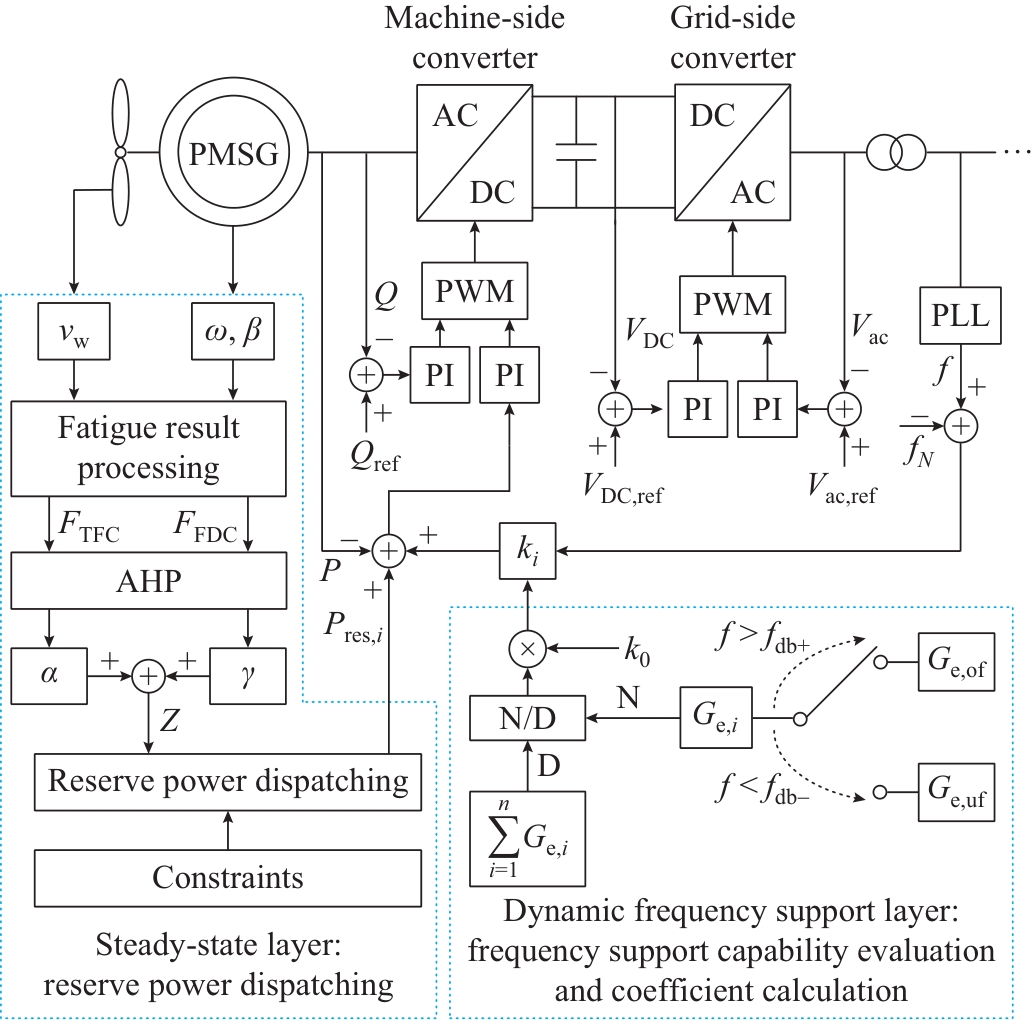
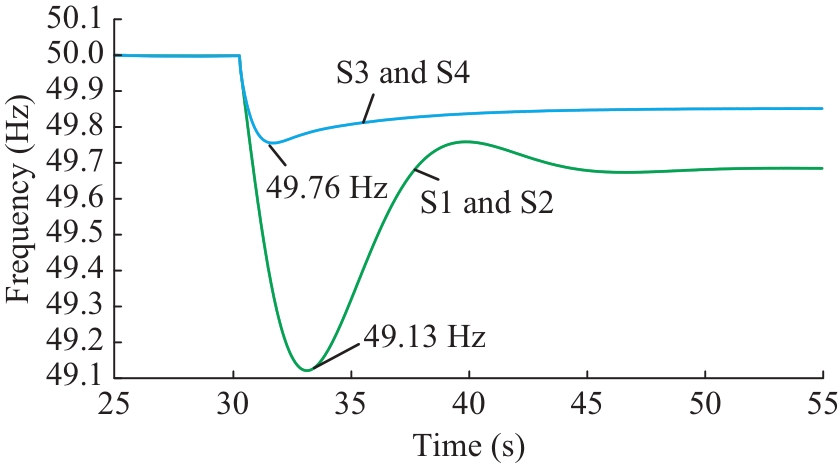
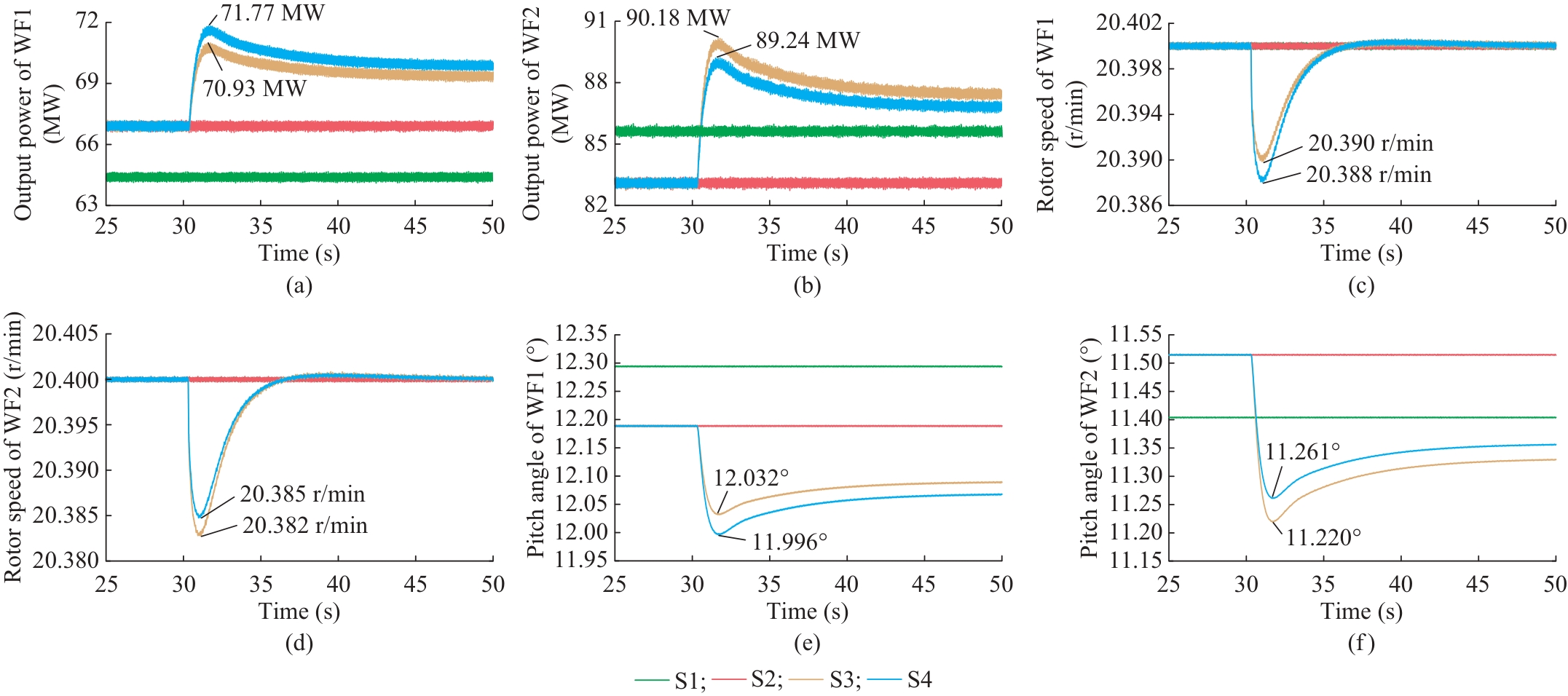
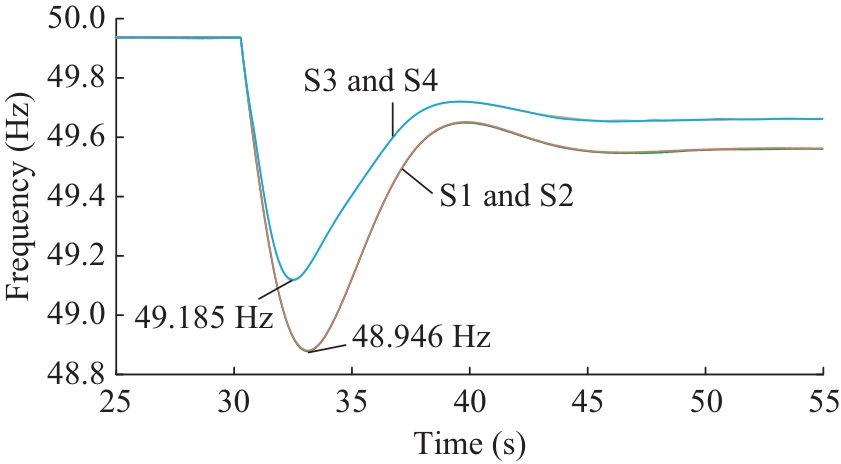
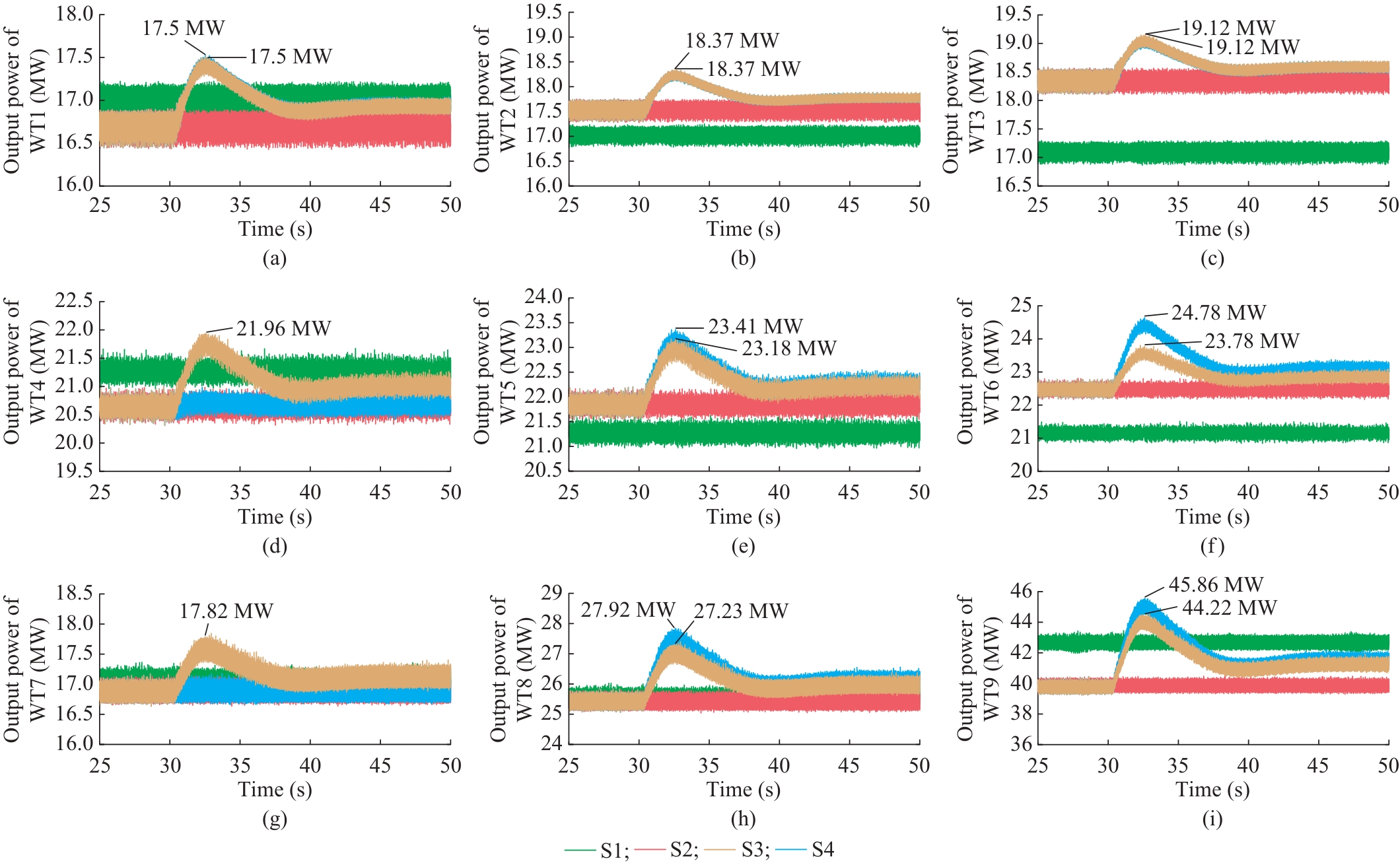
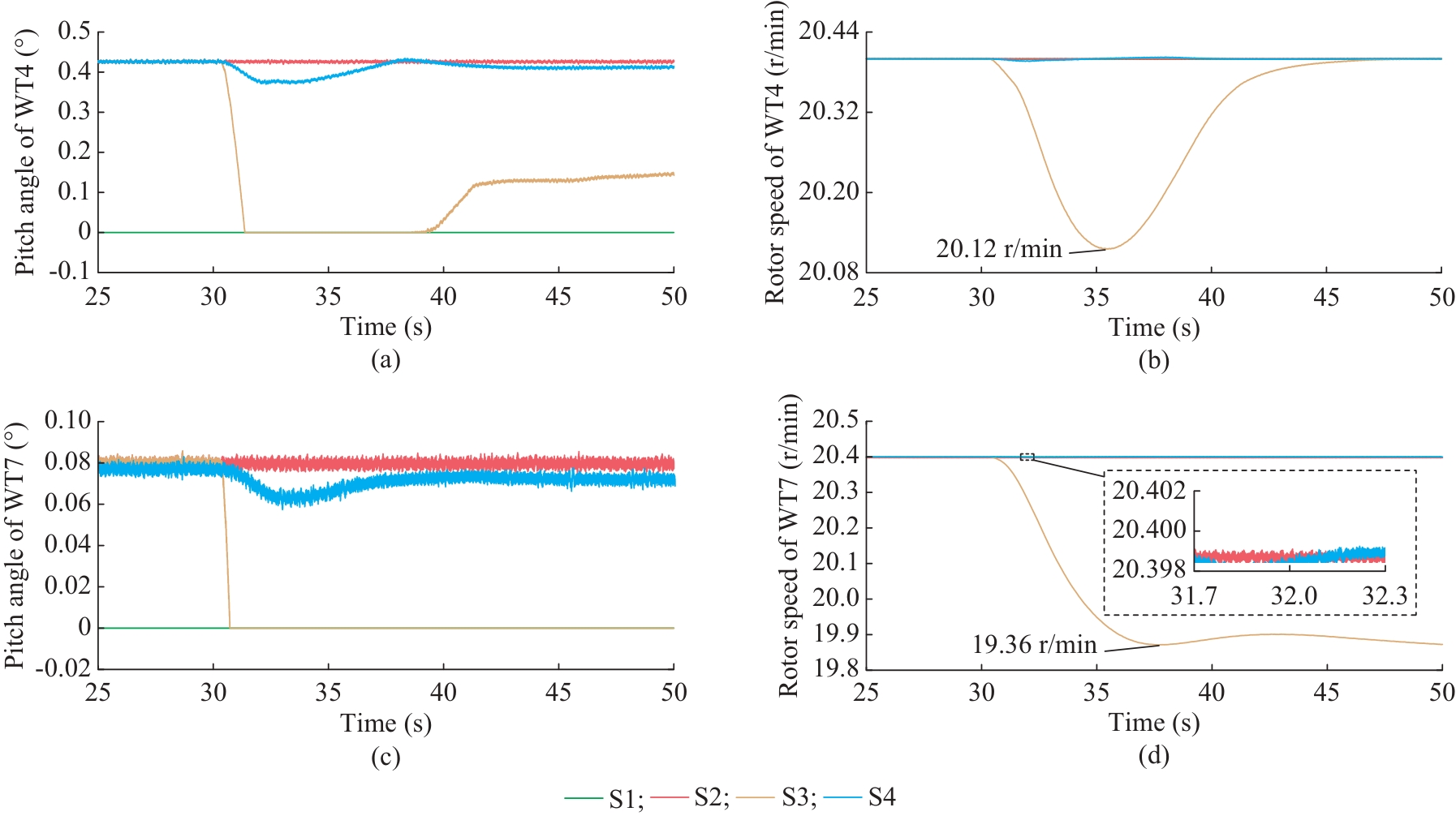
Wind turbine (WT) is required to support grid frequency in some cases usually by decelerating the rotor speed. However, the available adjustment capacity is limited and short-lasting, requiring reserve power for more capacity. For wind farms (WFs), reserve power dispatching is important both at steady state and during dynamic grid frequency support process, as it influences the lifespan and cost of WFs. Moreover, power dispatching at steady state and during dynamic grid frequency support process may have a mutual impact on their performance. For this regard, this paper proposes a hierarchical reserve power dispatching (HRPD) strategy of WFs for grid frequency support. The hierarchical concept is reflected on the WF and the WT control layers spatially, as well as on the steady-state layer and the dynamic grid frequency support layer temporally. First, the central controller of WF determines the reserve power command of each WT at the steady-state layer according to the total reserve power requirement, where the total fatigue of WFs and the fatigue distribution among WTs are considered to reduce the operating fatigue of the WF and maintain the consistency of WTs. Meanwhile, the WT controller assesses the real-time grid frequency support capability of each WT at the dynamic grid frequency support layer, according to the available kinetic energy of rotor and the real-time pitch angle to optimize the utilization of regulation capacity while maintaining the performance of grid frequency support. Based on this, the central controller adjusts and assigns a dynamic frequency droop coefficient to each WT. Case studies validate the performance of the proposed HRPD strategy in total fatigue reduction, fatigue distribution restriction, and grid frequency support.
- 1
- 2
- 3
- 4
- 5
- 6
- 7
- 8
- 9
- 10
- 11
- 12
-
Lixin Wang, Weijun Suo, Han Gao, Zhenglong Sun, Shiwei Xia, Tek Tjing Lie
2026,14(5):1622-1633, DOI: 10.35833/MPCE.2025.000811
Abstract:
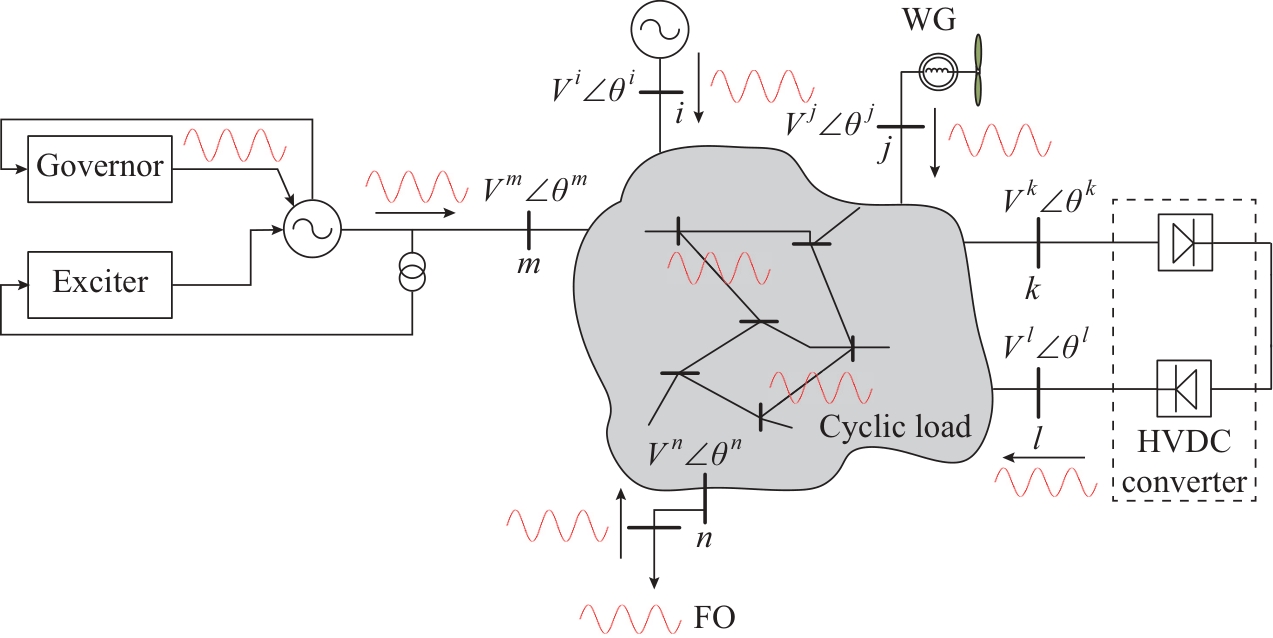
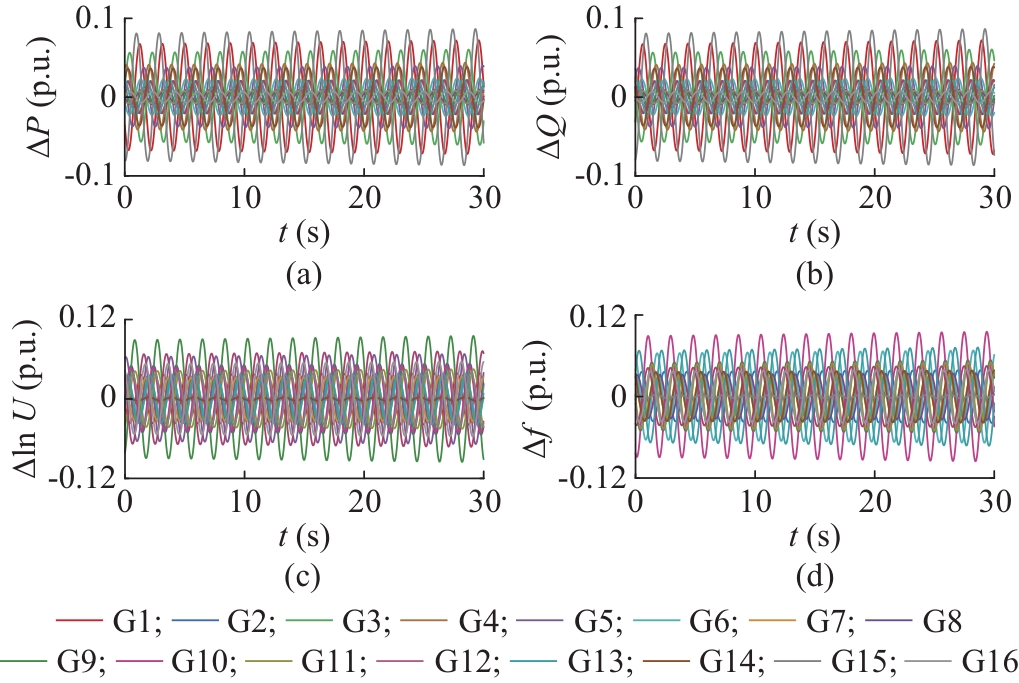
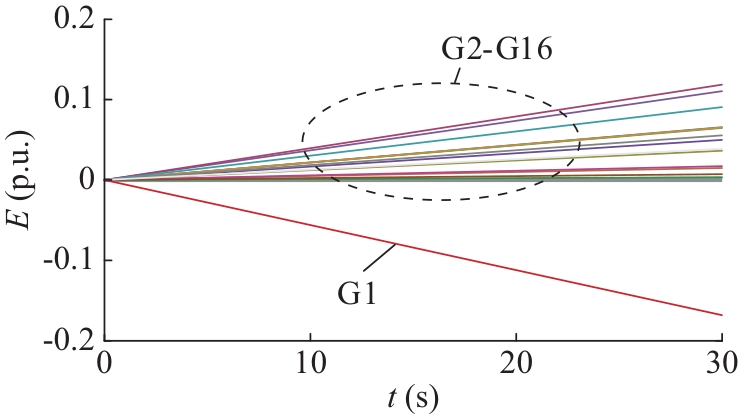
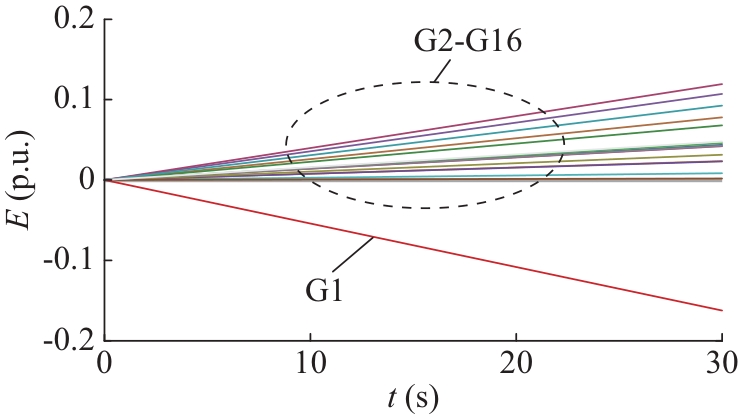
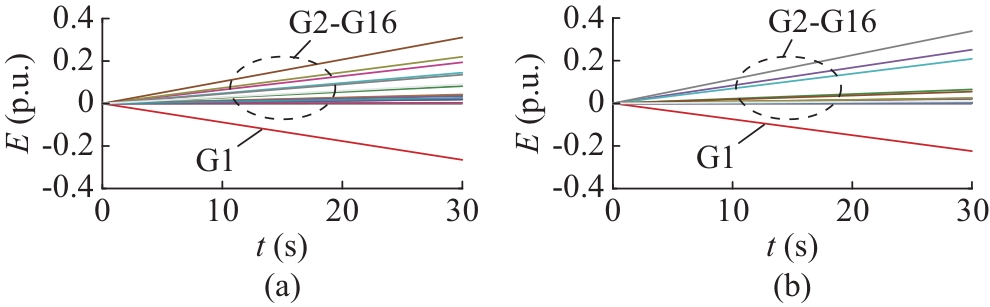
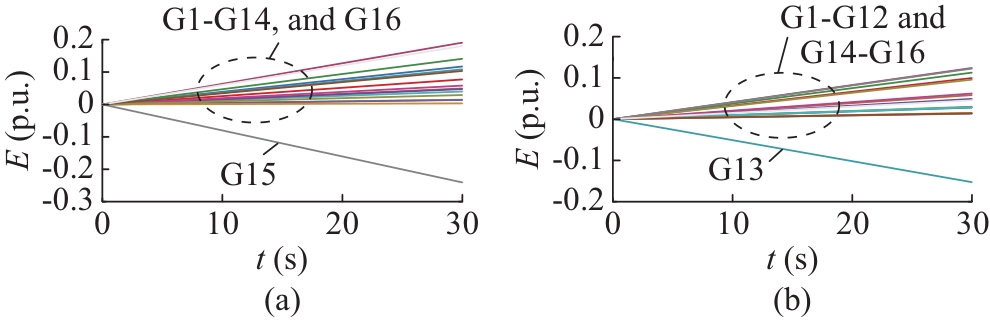
Forced oscillation source localization (FOSL) using synchrophasor measurements is critical for mitigating forced oscillations (FOs) in power systems. However, the performance of the conventional dissipating energy flow (DEF) is significantly affected by measurement noise and other irrelevant modal components. To address this challenge, an optimal subspace-enhanced (Os-enhanced) dynamic mode decomposition (DMD)-assisted DEF-based FOSL is proposed in this paper using synchrophasor measurement. First, Os-enhanced DMD is employed to decompose multi-channel measurements into time-domain responses of individual modes. Then, the time-domain components associated with FO are distinguished from the decomposed modes based on the rate of change of modal energy, and are subsequently used to calculate the DEF at all generator buses. Furthermore, the rate of forced energy is introduced as an indicator of energy flow direction to localize the FO source. The performance of the Os-enhanced DMD-assisted DEF is evaluated by the simulated data from IEEE 16-machine 5-area system and field phasor measurement unit (PMU) measurement data from Independent System Operator New England (ISO-NE). Comparative results demonstrate that the Os-enhanced DMD-assisted DEF achieves improved accuracy and robustness for localizing FO sources under noisy conditions.
- 1
- 2
- 3
- 4
- 5
- 6
- 7
- 8
-
Yixi Chen, Jizhong Zhu, Yun Liu, Le Zhang, Kaixin Lin
2026,14(5):1634-1646, DOI: 10.35833/MPCE.2025.000750
Abstract:
Deep reinforcement learning (DRL) has been recognized as a promising alternative for emergency controls recently, for its rapid decision-making and strong policy searching capabilities. However, when applied to complex large-scale power systems, two prominent challenges emerge>①
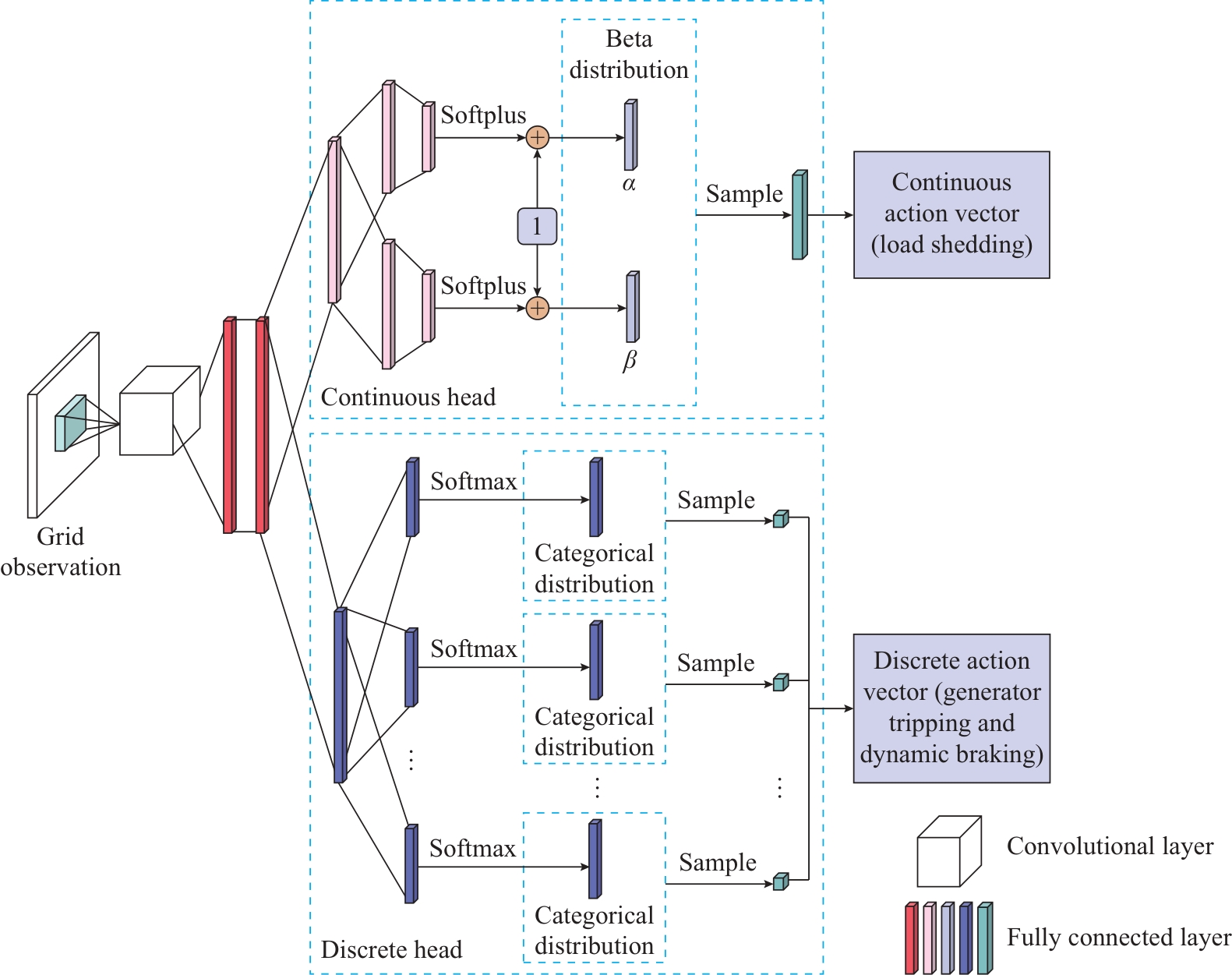
high-dimensional discrete-continuous hybrid action space poses great adaptation difficulty for regular DRL methods, as they are designed primarily for purely discrete or continuous action spaces; and ②unguided exploration within vast action spaces leads to inefficient convergence performance. To mitigate these limitations, this paper develops a knowledge-guided hybrid DRL-based method for transient stability emergency control. The proposed method adopts a novel hybrid policy to represent the hybrid action domain, and employs a novel derivative-free DRL for optimization, which eliminates the training instability issues associated with jointly optimizing gradients for different action types. Then, the prior domain knowledge is utilized to formulate mask rules and incorporate them into DRL training through trainable action mask (TAM) technique to guide exploration. Moreover, the proposed method is further integrated into a hierarchical DRL framework to alleviate computational complexity and enhance scalability. Case studies on the IEEE 300-bus system show that the proposed method improves solution quality by 52.9% and 42.8% compared with purely discrete and conventional hybrid action DRL methods, and achieves an 80.0% improvement in convergence efficiency compared with the method without knowledge guidance. - 1
- 2
- 3
- 4
- 5
- 6
- 7
- 8
- 9
- 10
- 11
-
Ali Arjomandi-Nezhad, Bikash C. Pal
2026,14(5):1647-1658, DOI: 10.35833/MPCE.2024.001292
Abstract:
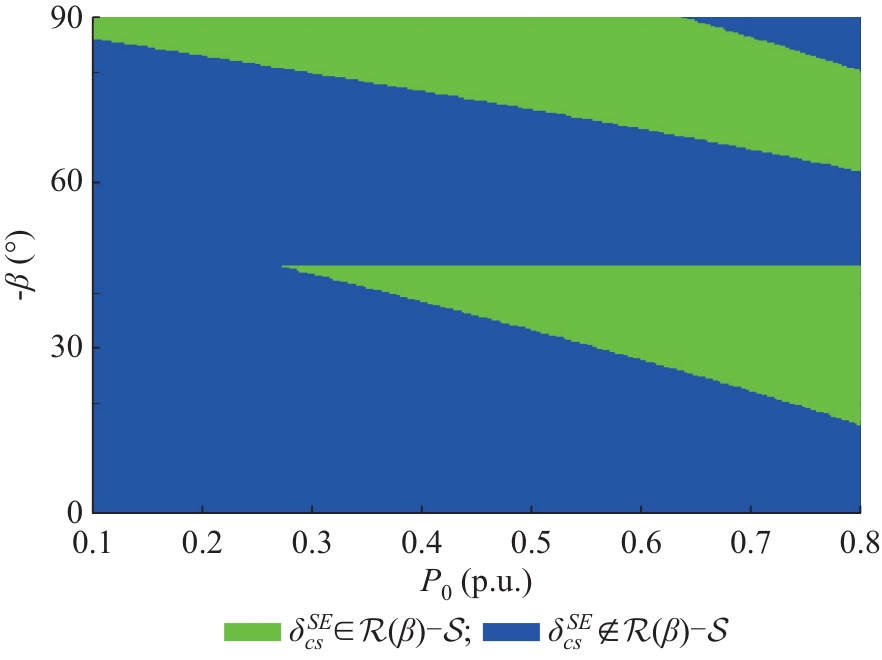
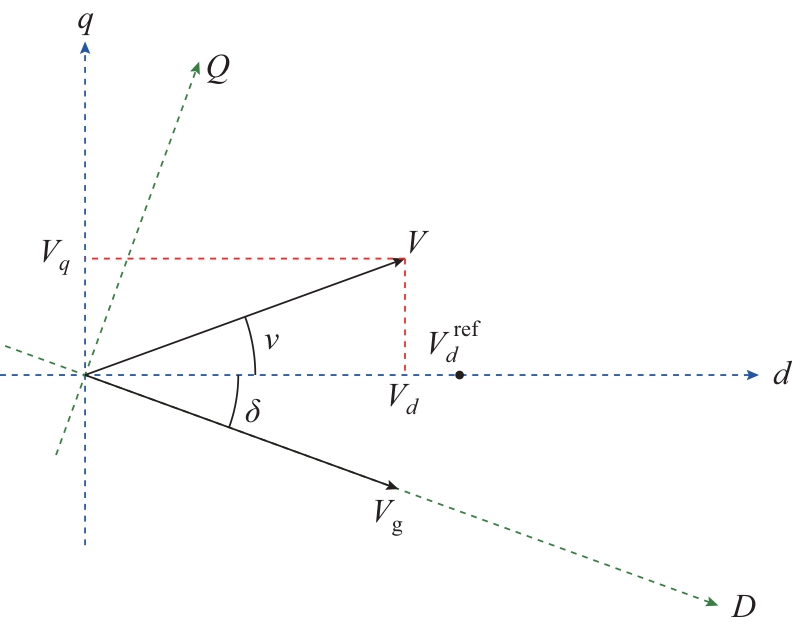
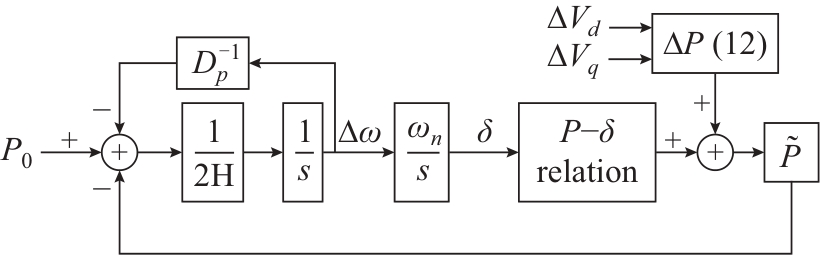
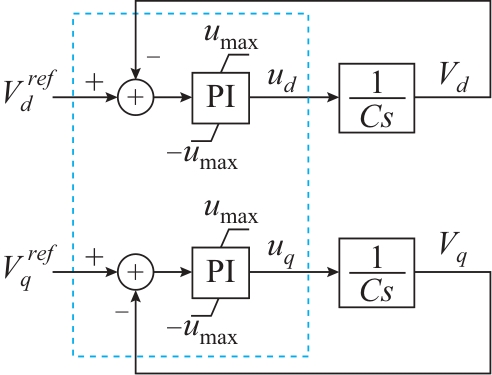
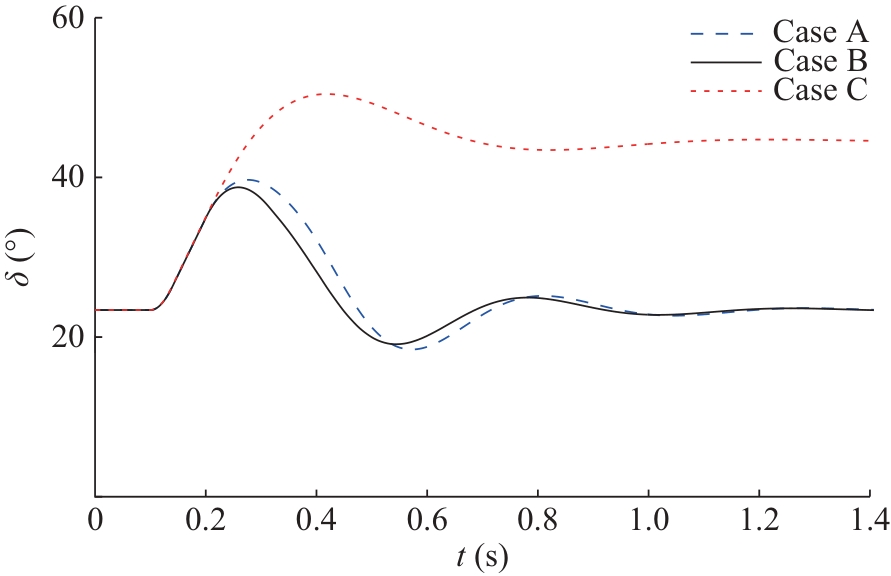
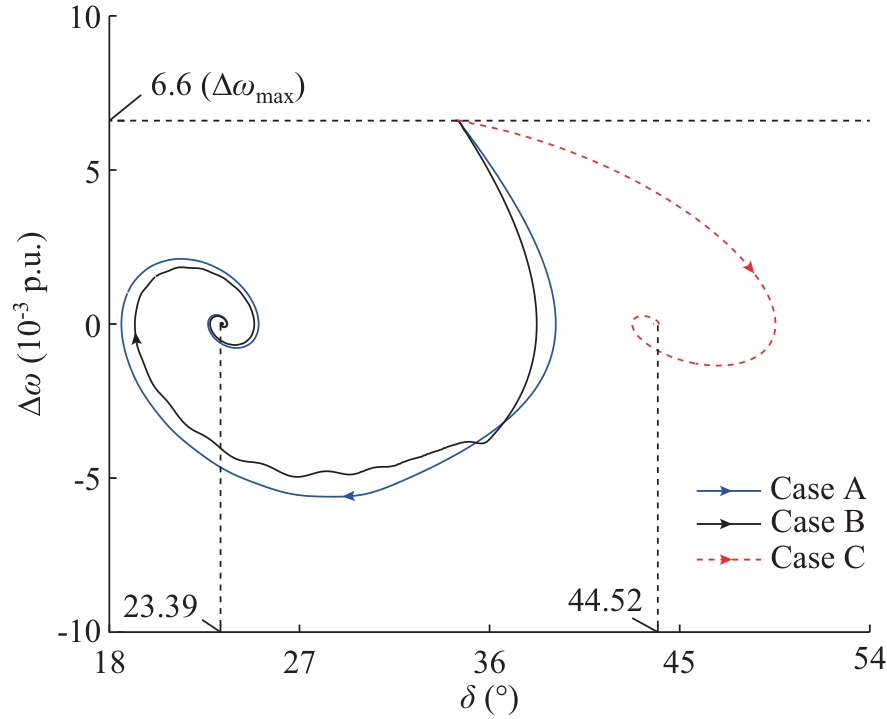
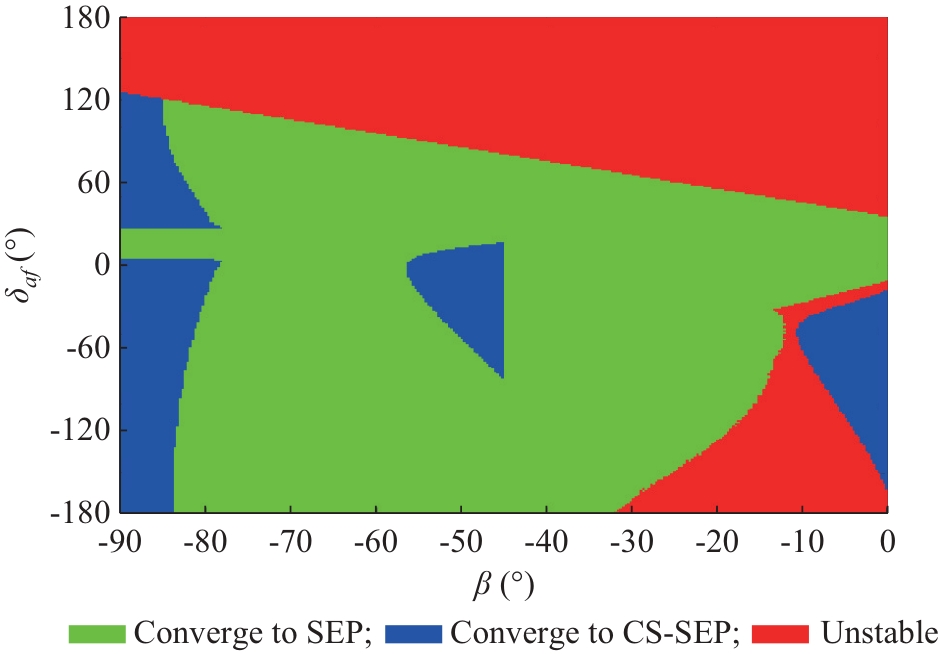
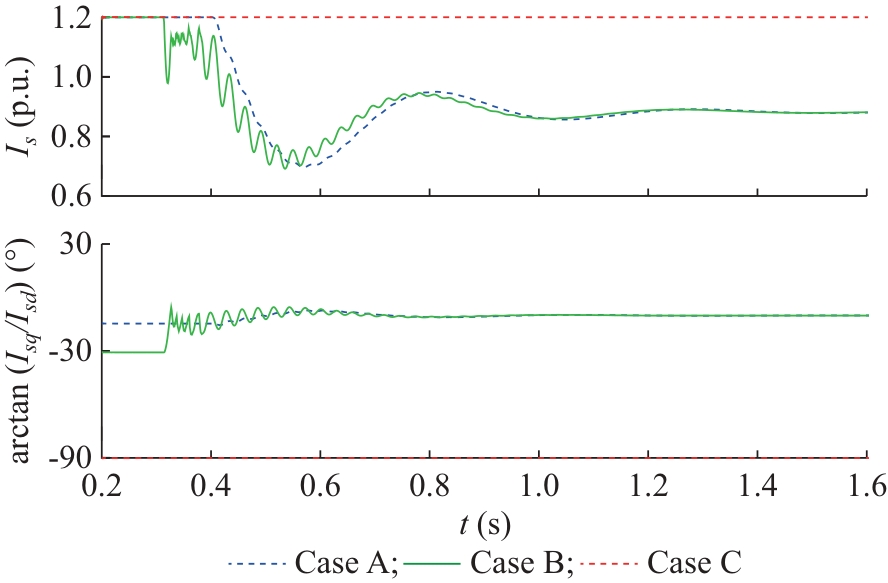
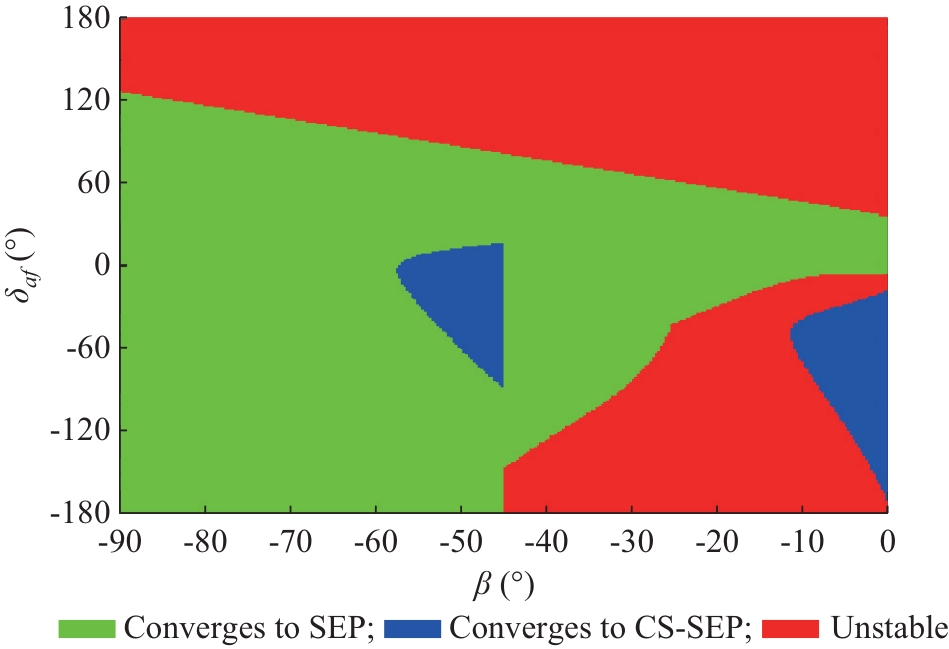
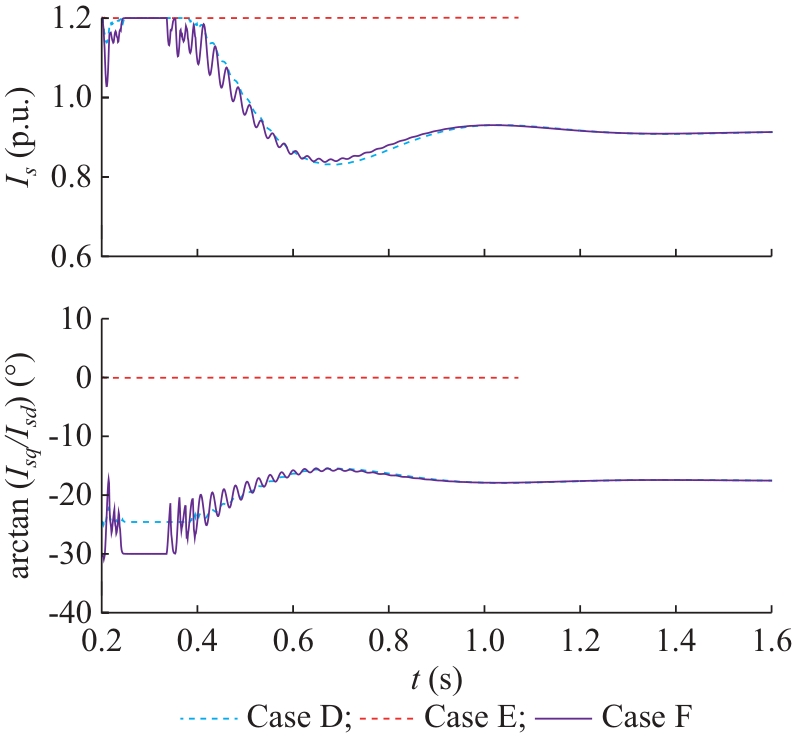
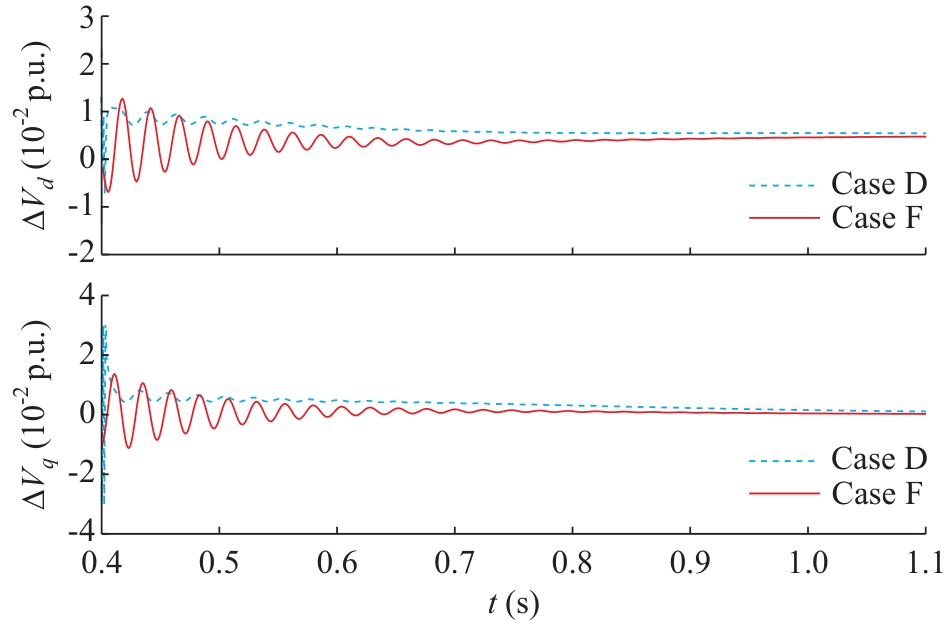
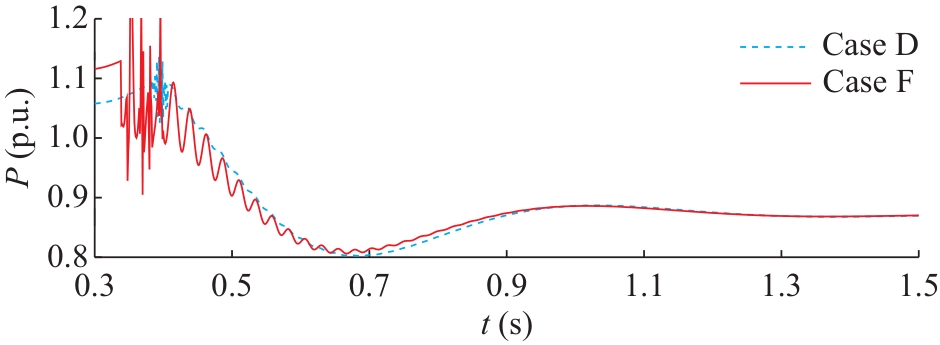
The current saturation challenges the transient stability of grid-forming (GFM) inverter-based resources (IBRs) during large disturbances by introducing the current-saturated stable equilibrium point (CS-SEP). Convergence into the post-fault CS-SEP is an undesired post-disturbance scenario. The angle of the saturated current significantly affects the post-disturbance trajectory. Moreover, the voltage immediately after the converter returns to the normal operation mode depends on this angle. If the difference between this voltage and the reference voltage is large, huge power oscillations occur superimposed on the second-order power swing. The voltage-error-induced power oscillation appears as a disturbance on the active power control loop and affects transient stability. In this paper, the angle of the saturated current is adjusted to minimize the voltage error immediately after the GFM IBR returns to the normal operation mode and prevent the convergence into CS-SEP. To do so, a closed-form expression for the angle of the saturated current at which the voltage transient is minimized is derived in the first stage. Then, an optimization is formulated to minimize the deviation of the angle of the saturated current from the angle calculated in the first stage while ensuring that CS-SEP convergence is avoided. This optimal control method, which enhances transient stability by adaptively tuning the angle of the saturated current, is validated through simulation.
- 1
- 2
- 3
- 4
- 5
- 6
- 7
- 8
- 9
- 10
- 11
- 12
- 13
- 14
- 15
- 16
- 17
- 18
- 19
-
Xialin Li, Jian Zheng, Yixin Liu, Xu Zhou, Haifeng Yu, Jiebei Zhu, Li Guo, Chengshan Wang
2026,14(5):1659-1671, DOI: 10.35833/MPCE.2025.000058
Abstract:
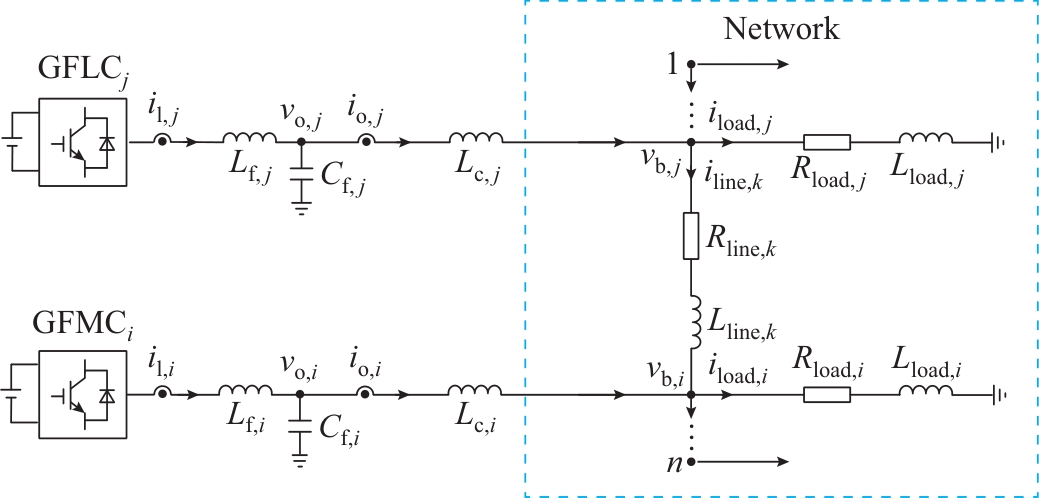
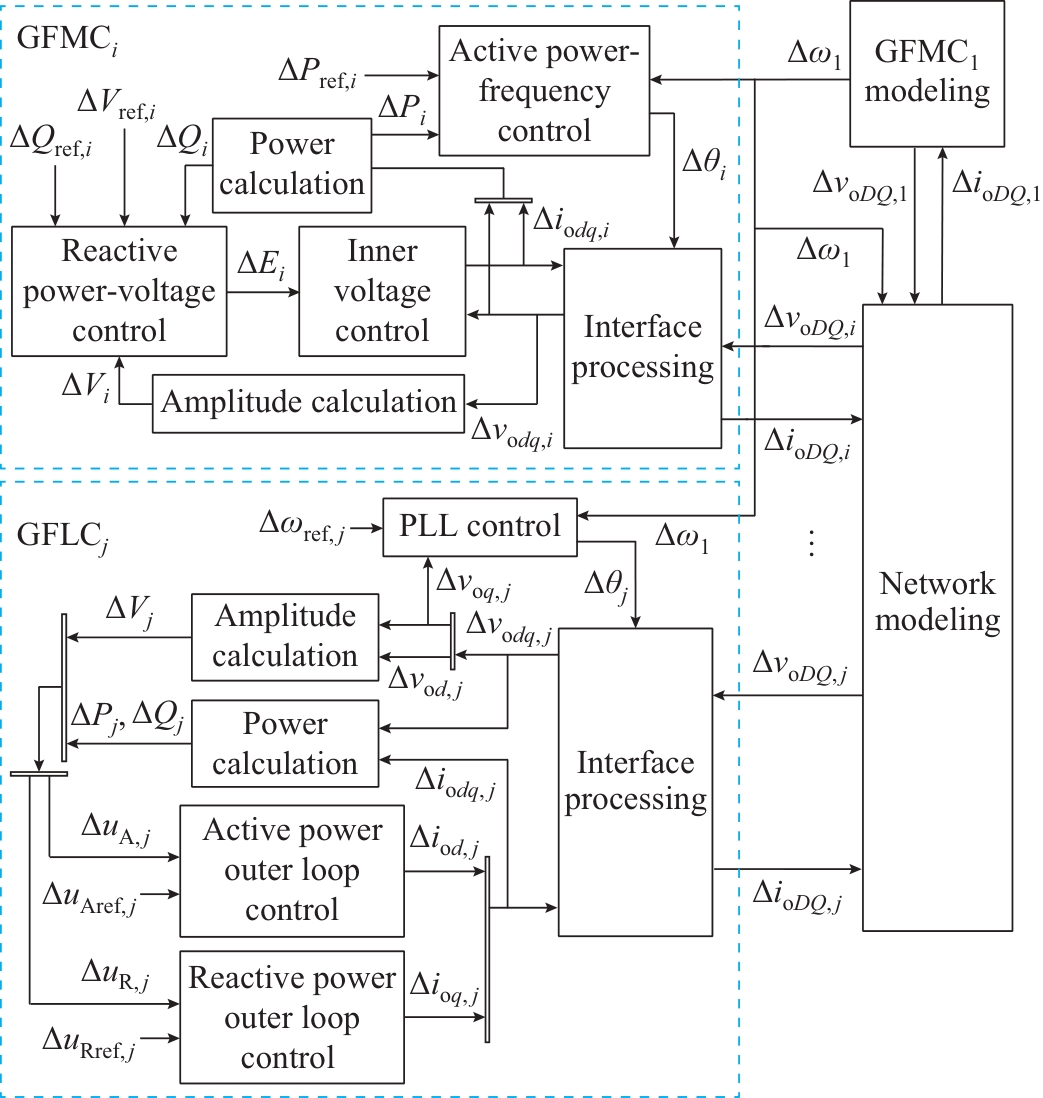
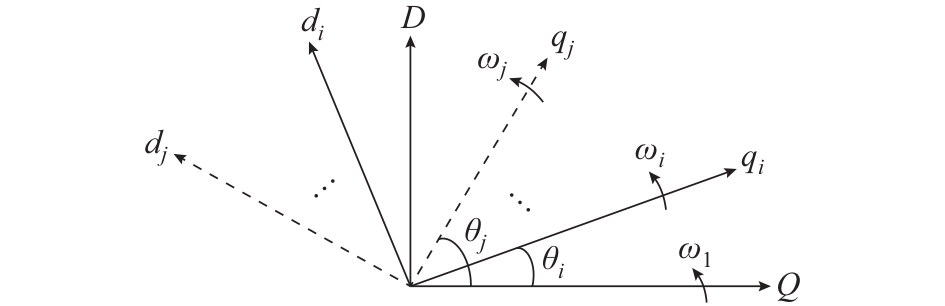
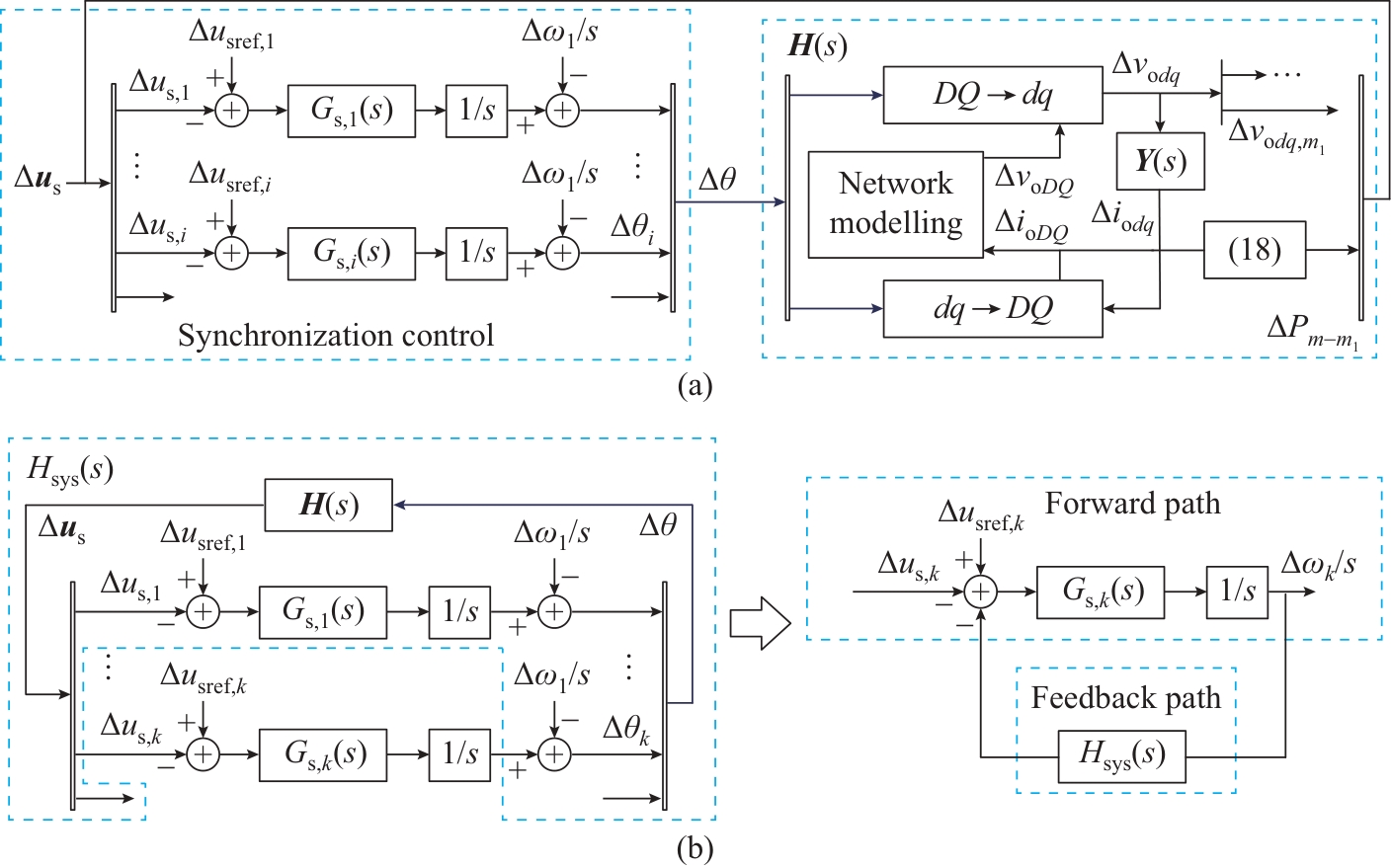
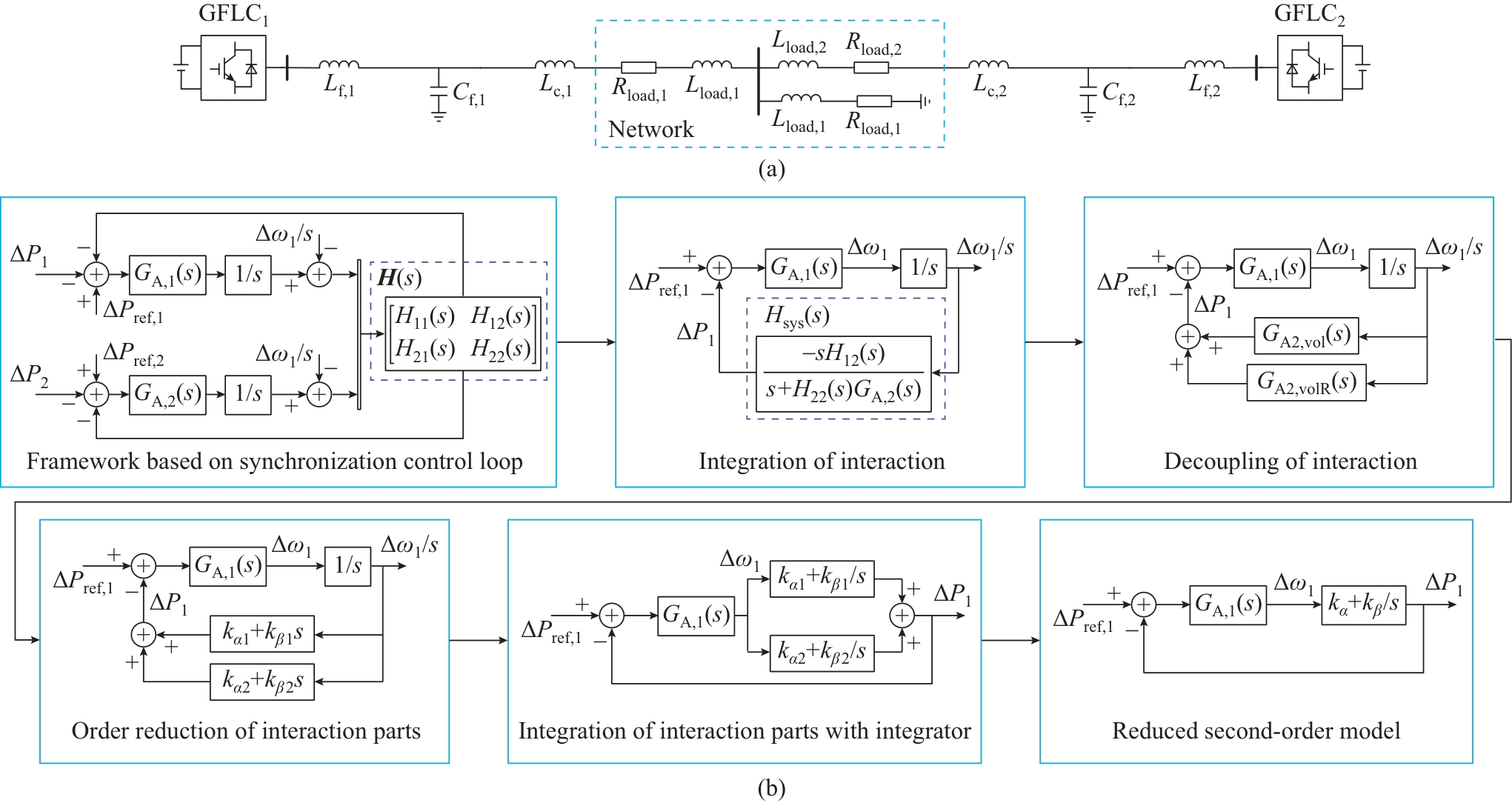
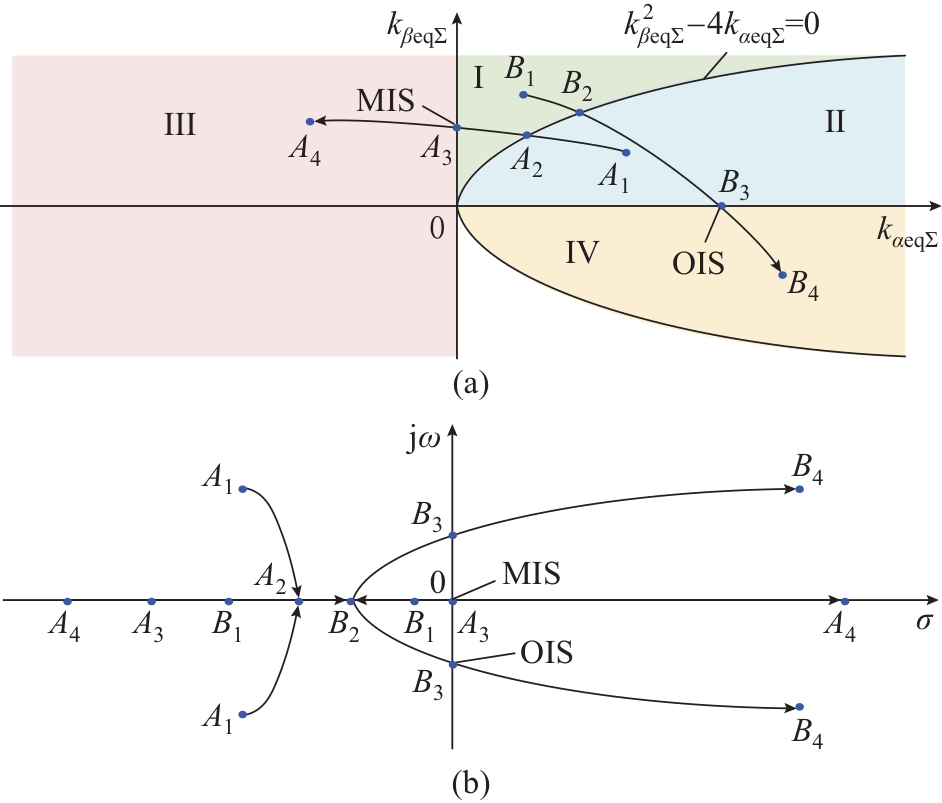
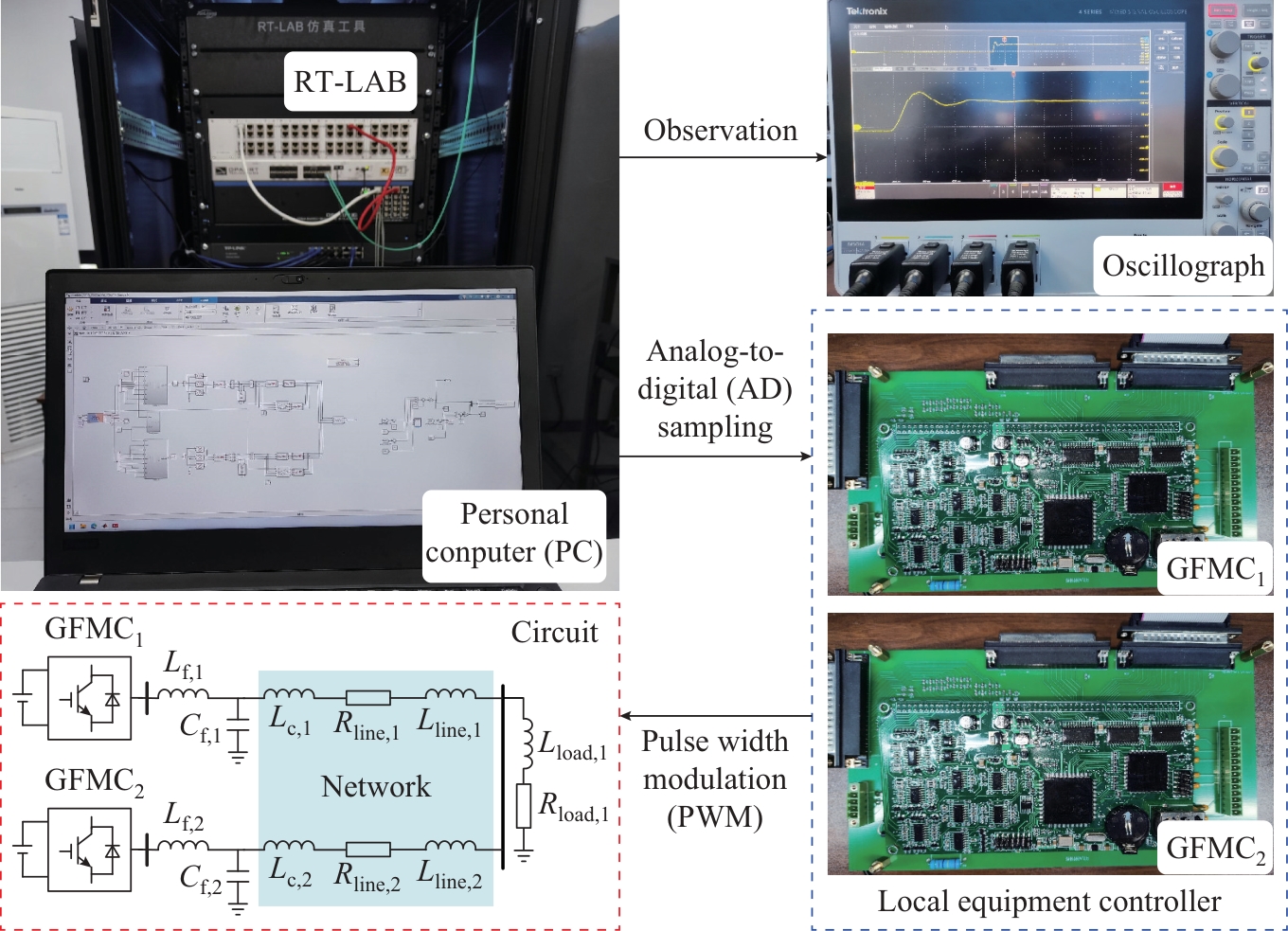
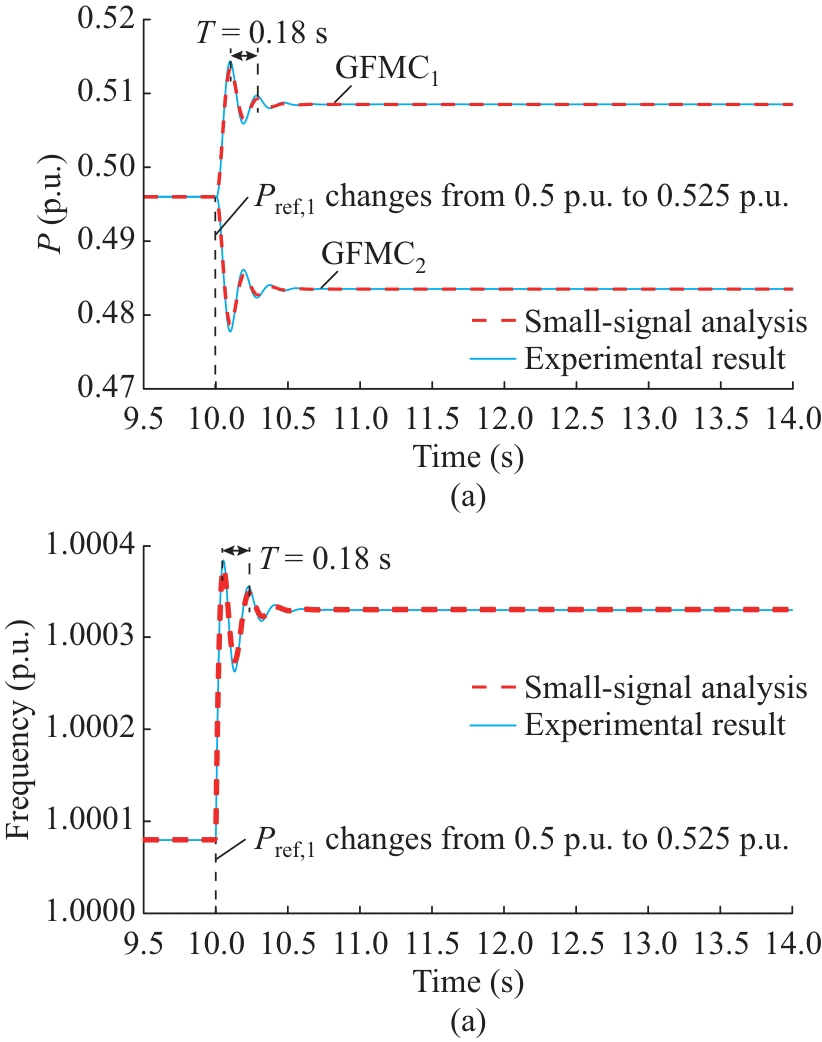
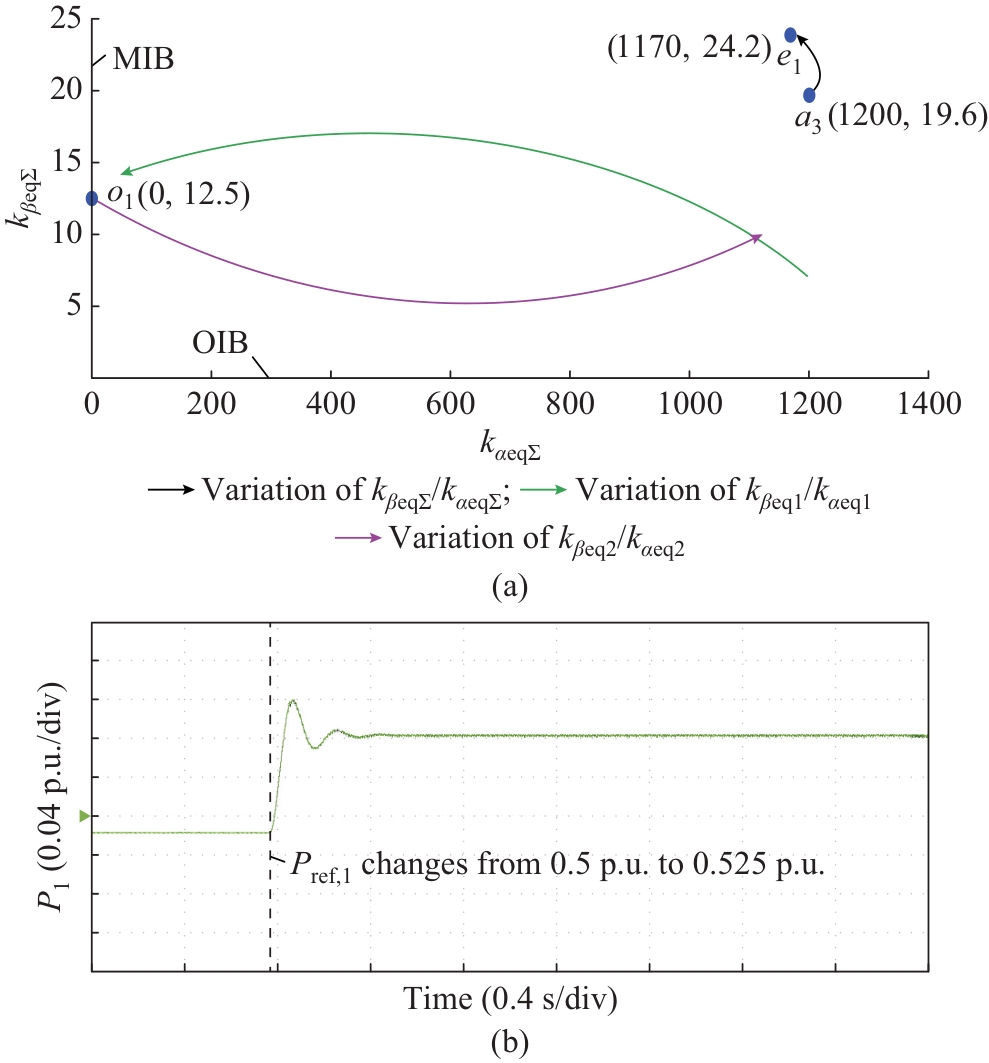
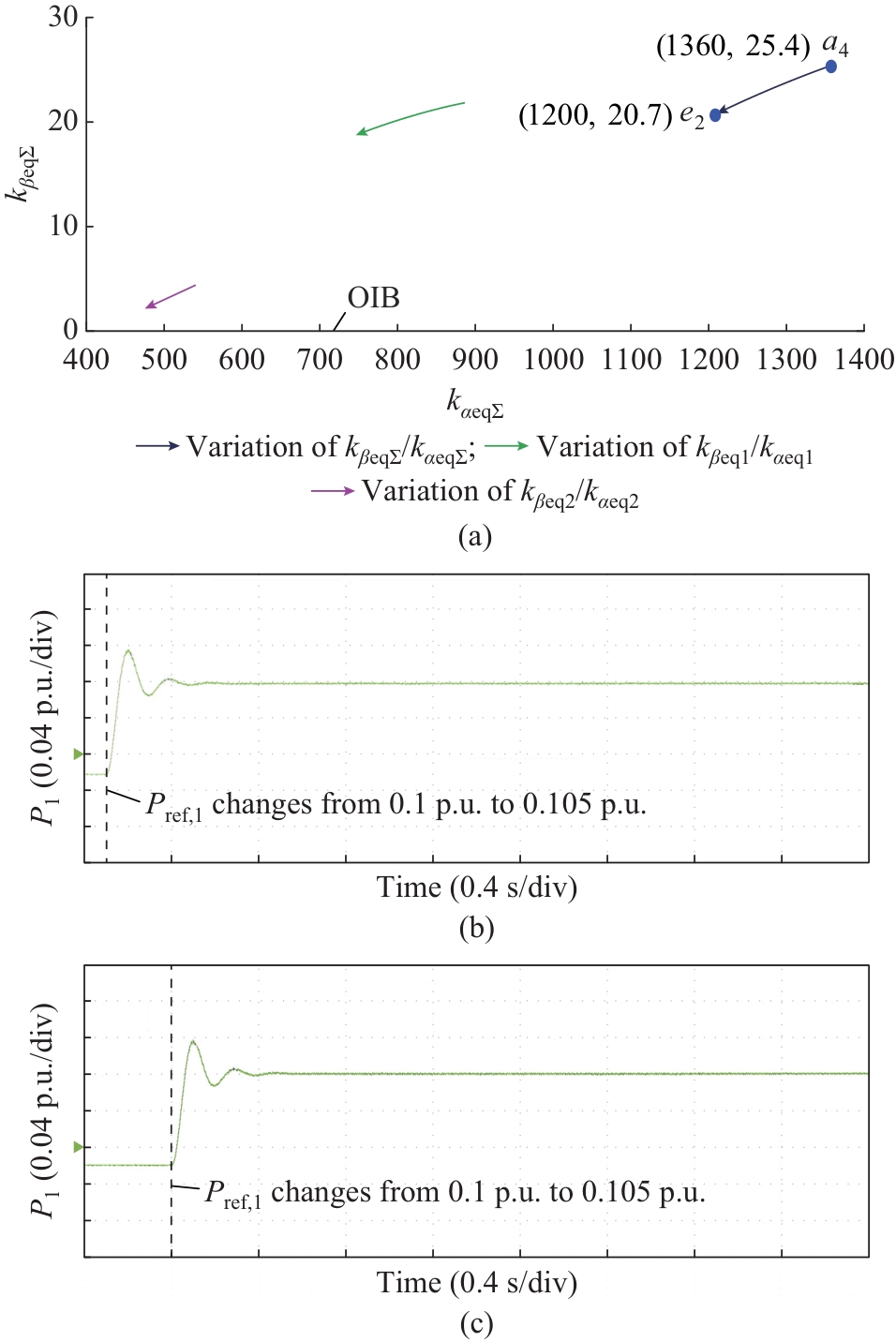
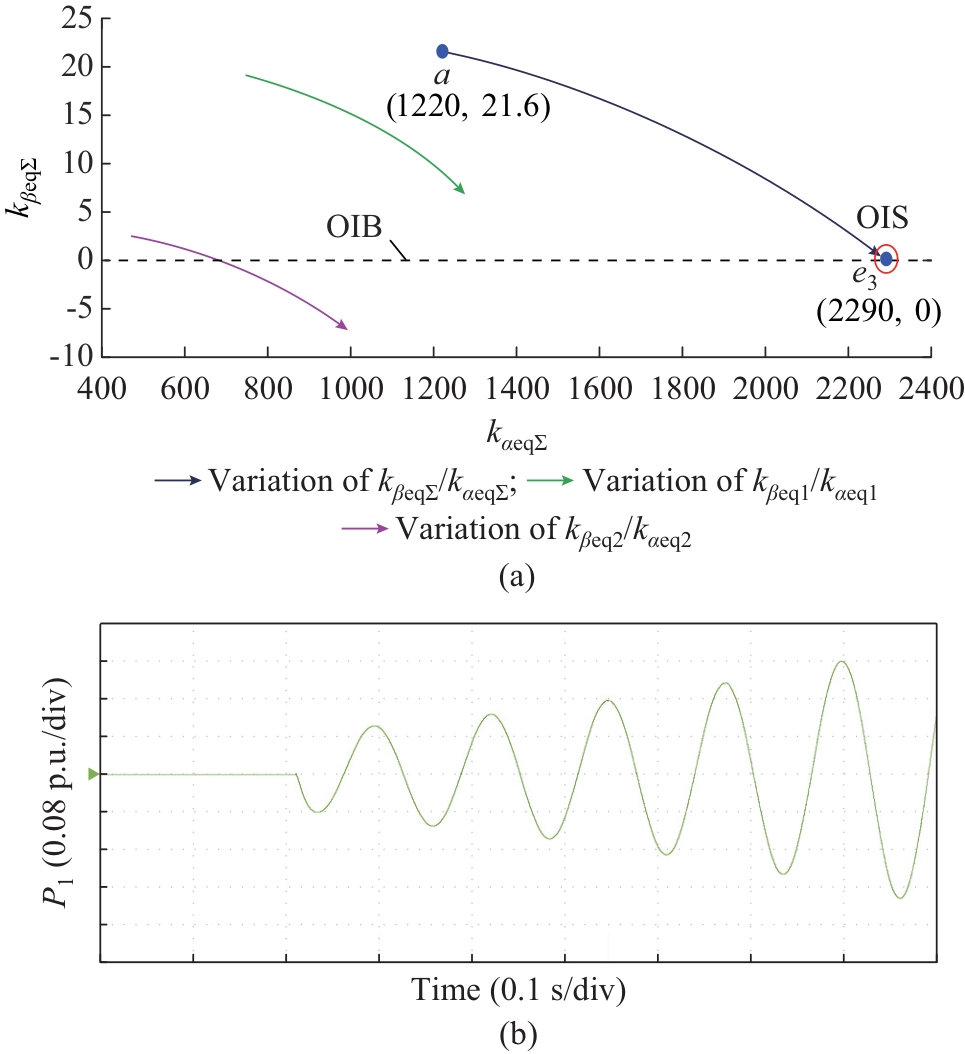
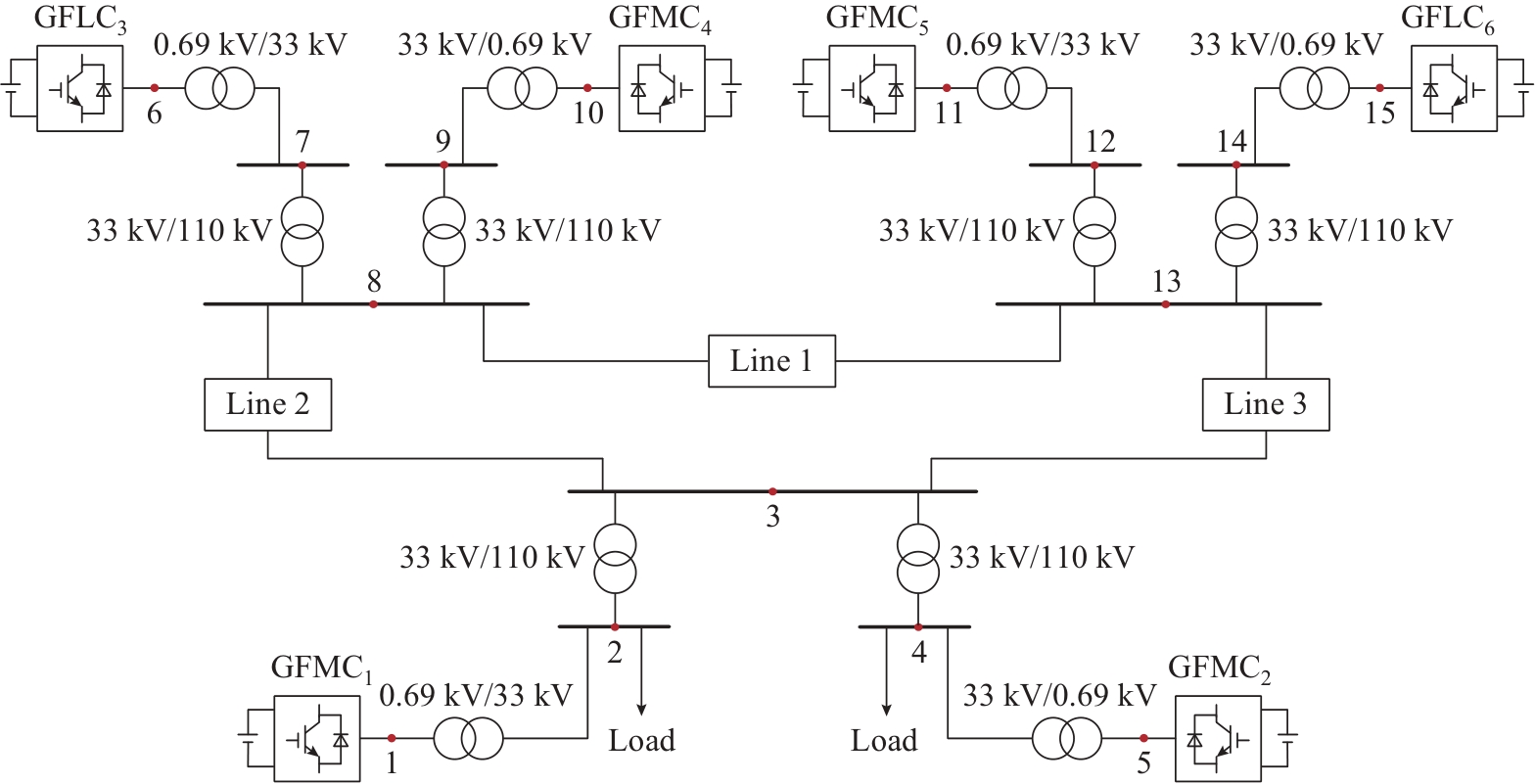
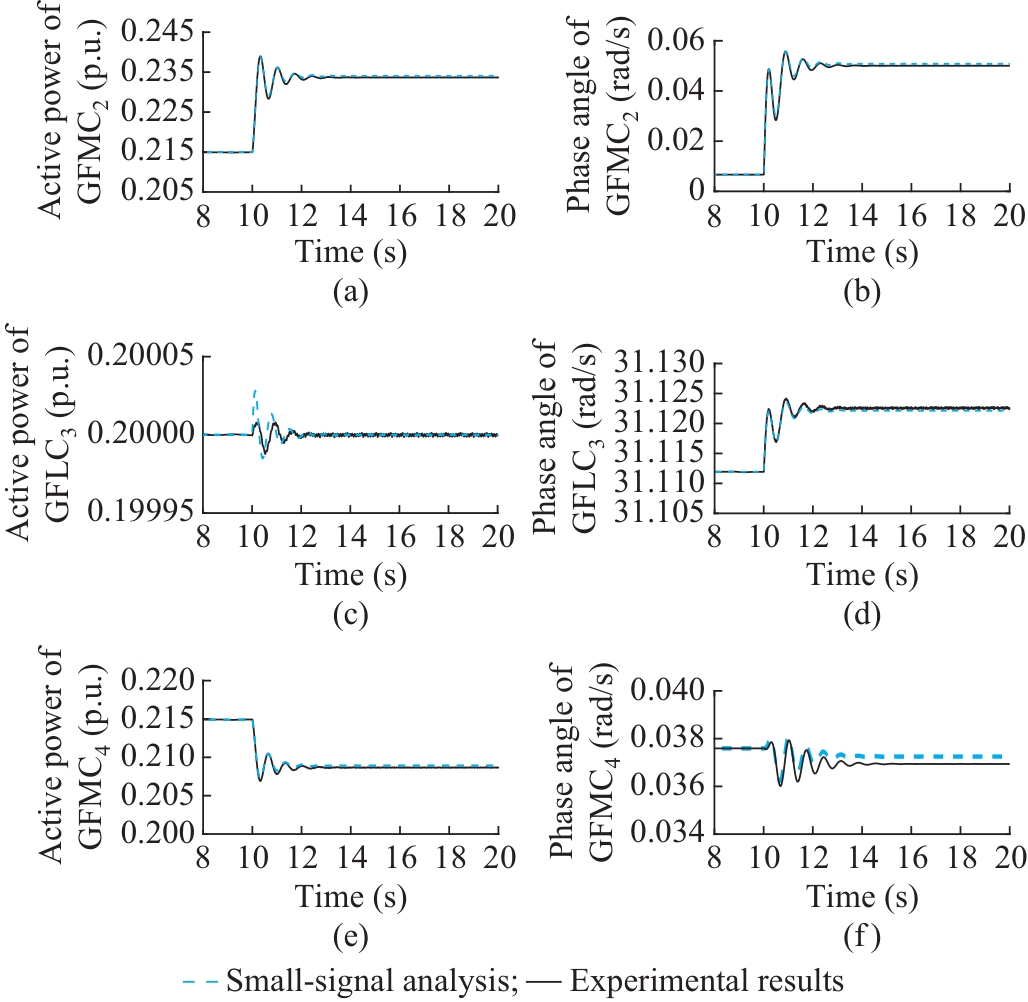
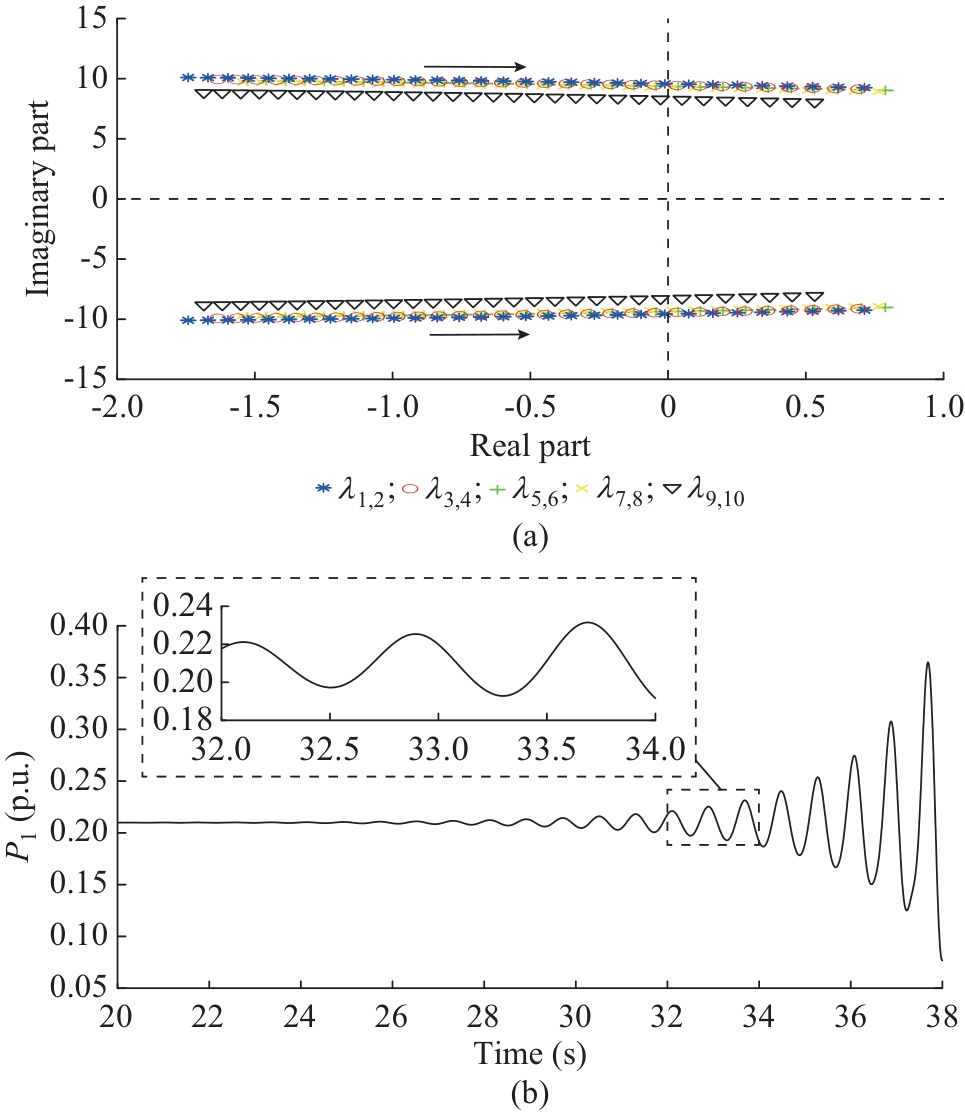
In 100% power electronics-based power system, small-signal synchronous instability can be trigged by interaction among distributed grid-forming converters (GFMCs). A novel small-signal synchronous stability analysis method is proposed. Firstly, a generic small-signal model for 100% power electronics-based power system is established. Then, a framework based on a dominated synchronization control loop is proposed, which can explicitly identify two main interaction paths stemming from voltage control and reactive power-voltage control. Furthermore, the two interaction paths have been simplified to first-order transfer functions through model reduction based on dominated modes. By integrating the selected synchronization control loop, a reduced second-order model that can provide clear physical insight into small-signal synchronous stability is derived. Finally, experimental results from an RT-LAB hardware-in-the-loop platform confirm the effectiveness of the proposed method.
- 1
- 2
- 3
- 4
- 5
- 6
- 7
- 8
- 9
- 10
- 11
- 12
- 13
- 14
- 15
- 16
- 17
- 18
- 19
-
Xin Jin, Zhipeng Zhou, Ningyi Dai
2026,14(5):1672-1683, DOI: 10.35833/MPCE.2025.000833
Abstract:
The stability of microgrid (MG) is affected by the interaction between parallel inverter-based resources (IBRs), especially when grid-forming (GFM) control is implemented in islanded MG to provide voltage support. In this paper, the robust stability analysis using structured singular value (SSV) approach and design of parallel GFM converters in islanded MG by structured
- 1
- 2
- 3
- 4
- 5
- 6
- 7
- 8
- 9
-
Jianzhong Xu, Feng Wang, Qiuxiang Wang, Huize Wang, Gen Li, Chengyong Zhao, Zhichang Yang, Hongyang Yu
2026,14(5):1684-1695, DOI: 10.35833/MPCE.2025.000497
Abstract:
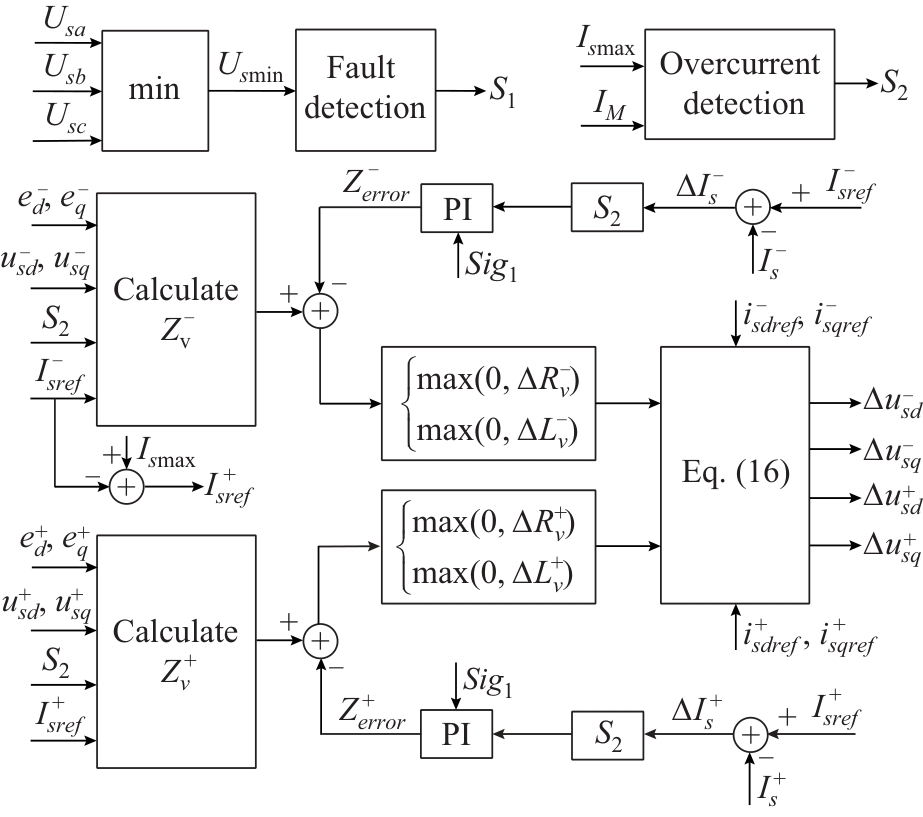
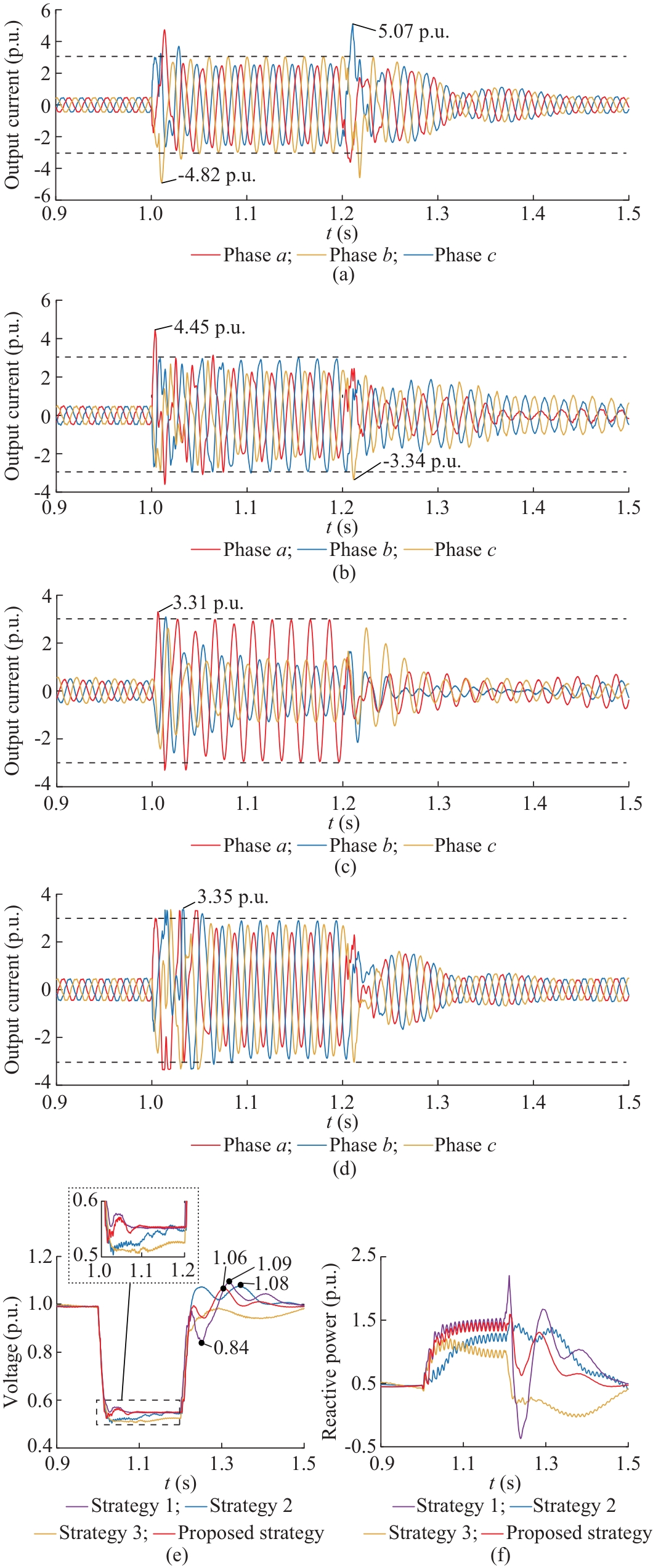
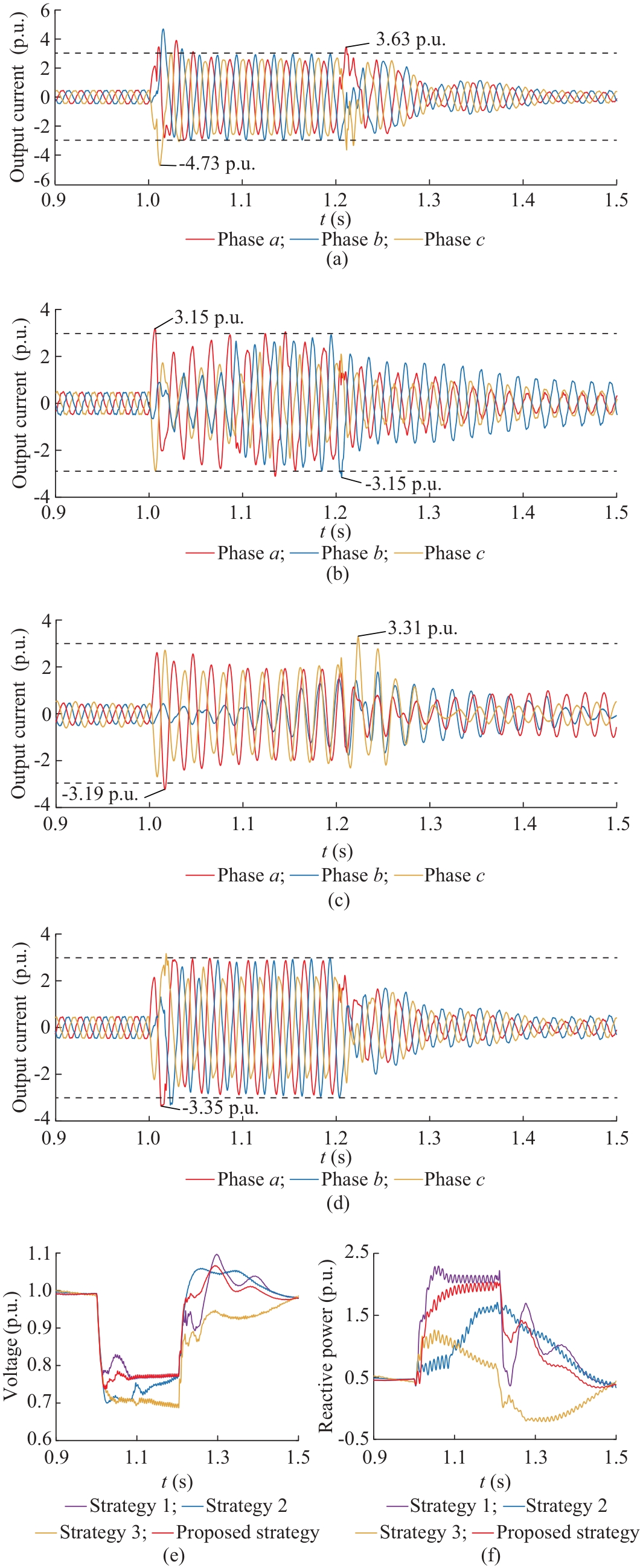
The grid-forming (GFM) energy storage-based static synchronous compensator (ES-STATCOM) operates as a voltage source and offers virtual inertia and damping. These capabilities make it more suitable for the modern power system with high renewable energy penetration than grid-following (GFL) static synchronous compensator (STATCOM). However, it is prone to overcurrent during grid faults. Physically increasing the overload capacity of the device is not a cost-effective solution. In this paper, a current limiting strategy based on virtual sequence impedance for the GFM ES-STATCOM under asymmetrical faults is proposed. It enables the GFM ES-STATCOM to maintain its GFM control mode during transients. The control for activation and deactivation of current limiting is first designed. Then, the transient virtual sequence impedance control is developed to limit the fault current amplitude, along with the instantaneous overcurrent peak suppression method. In addition, key control parameters are designed through analysis of fault current characteristics. Finally, the proposed strategy is validated by PSCAD/EMTDC simulation under asymmetrical faults.
- 1
- 2
- 3
- 4
- 5
- 6
- 7
- 8
- 9
- 10
- 11
- 12
-
Yanhong Liu, Xinfei Yan, Haiwang Zhong, Chongqing Kang
2026,14(5):1696-1707, DOI: 10.35833/MPCE.2025.000736
Abstract:
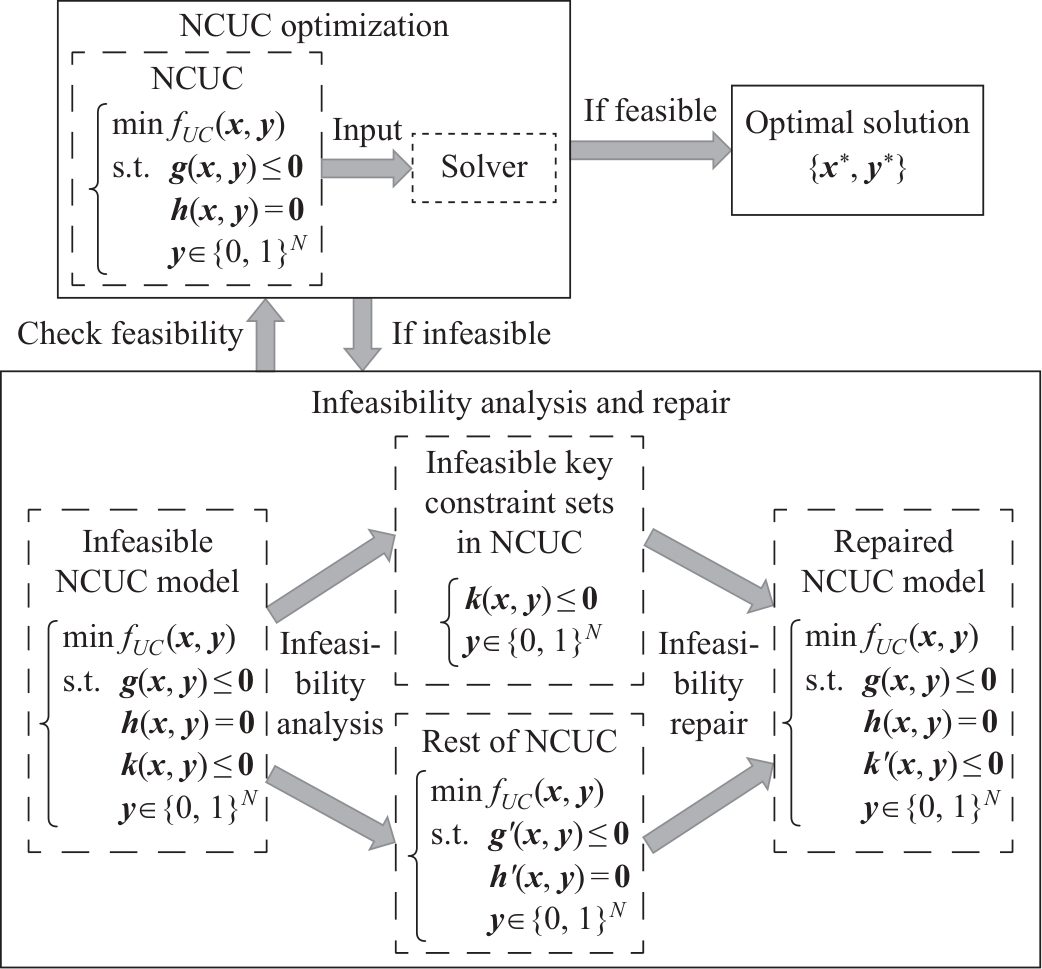
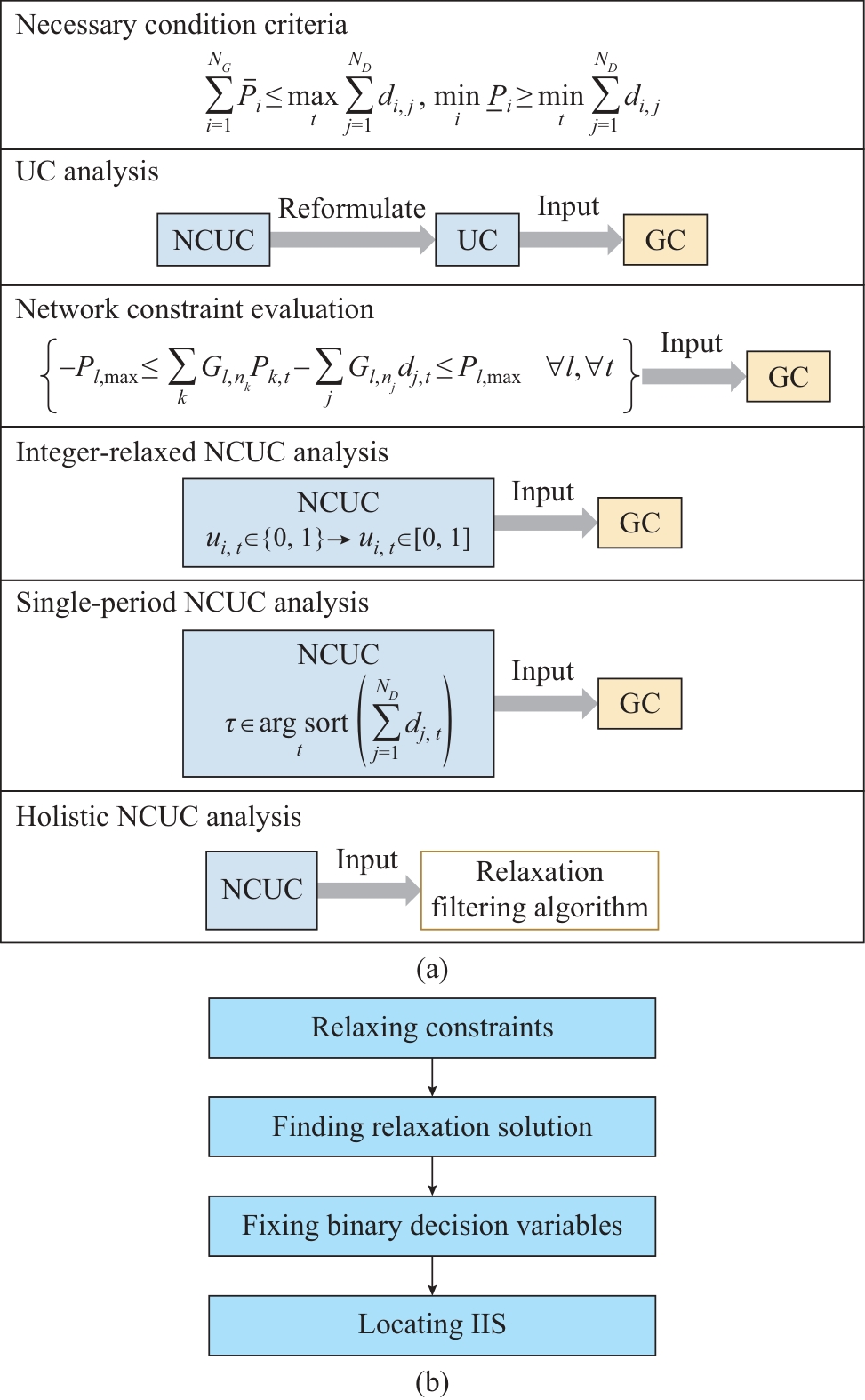
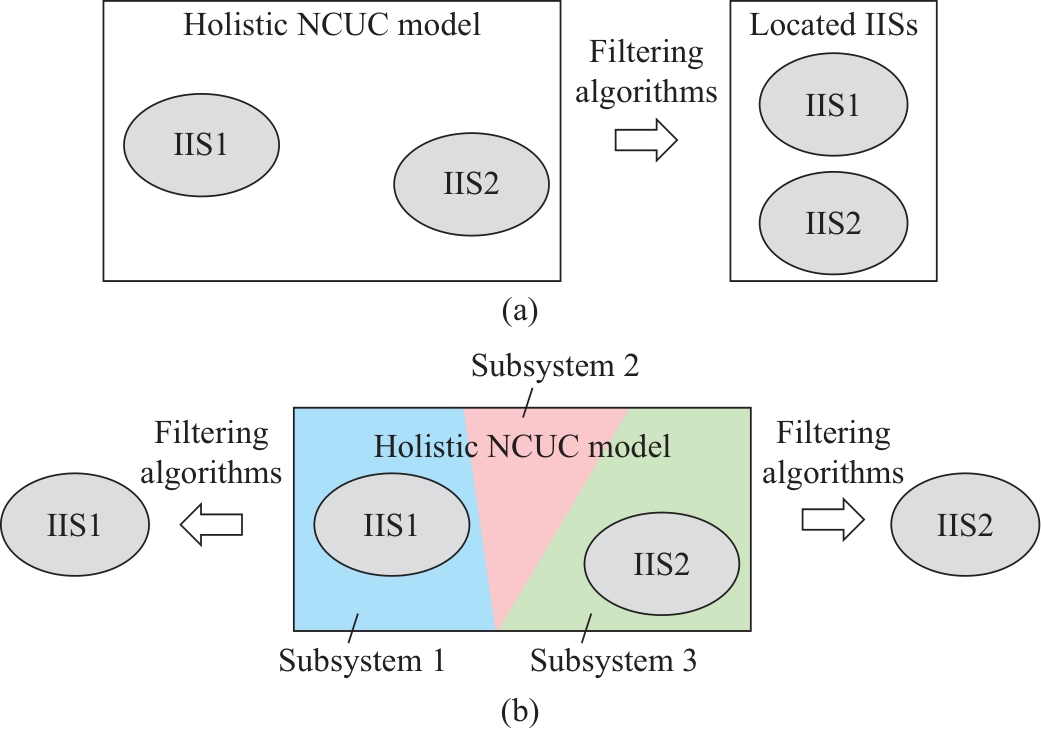
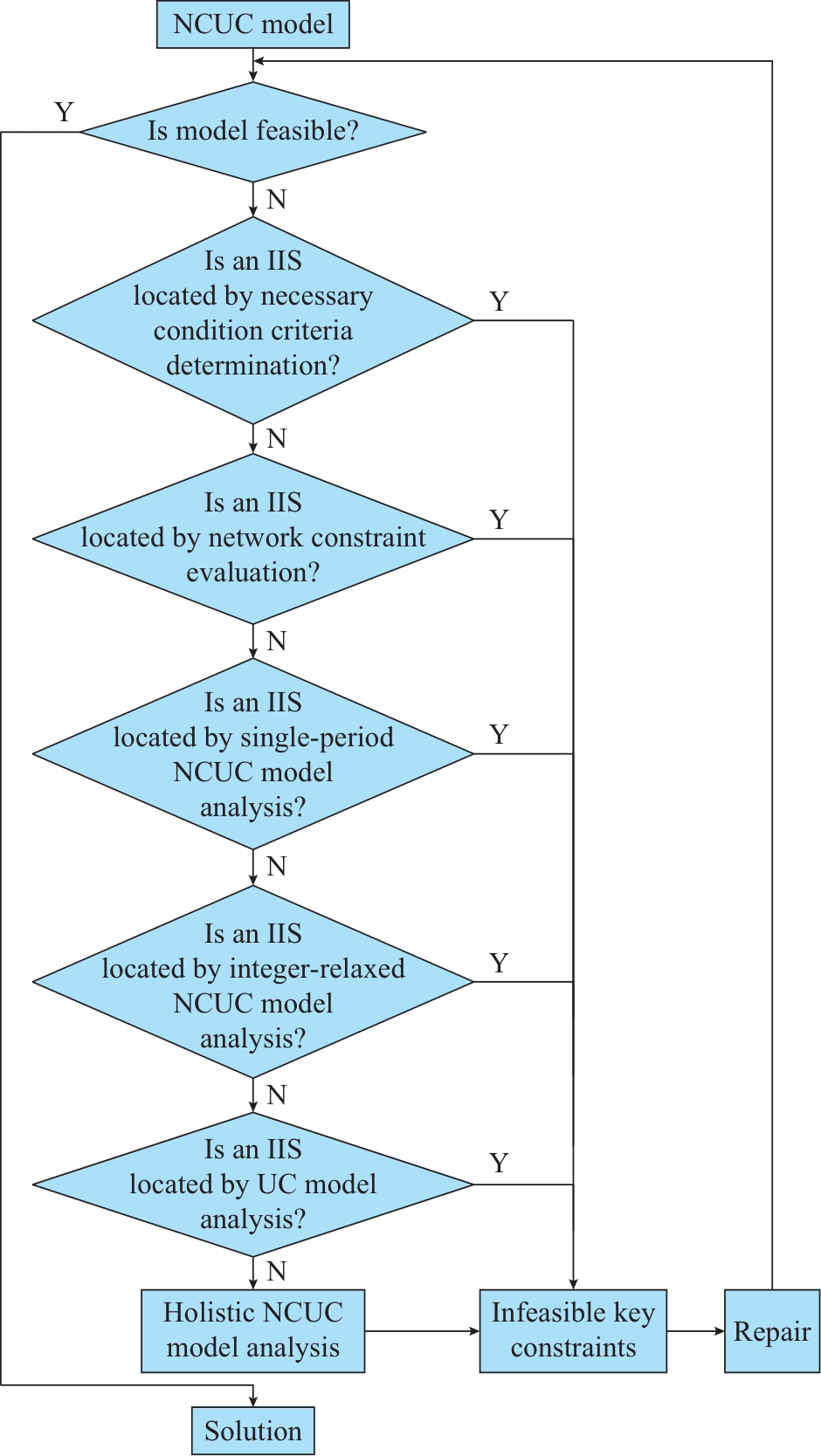
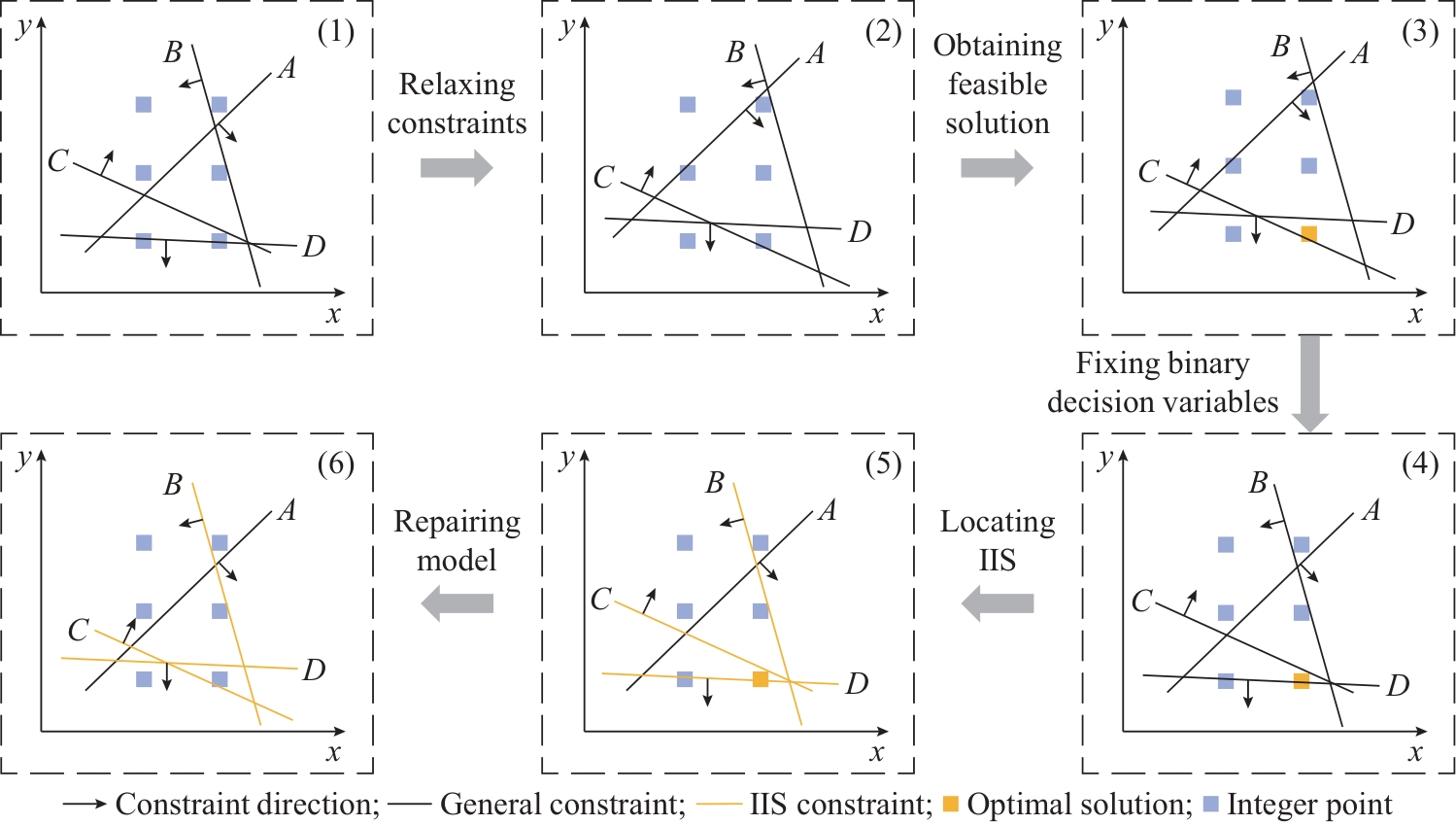
With the rapid development of the electricity market and the increasingly stringent operational standards, the longstanding infeasible network-constrained unit commitment (NCUC) issue in market operations is calling for effective and systematic methods that can analyze and repair infeasible NCUC models. Studies show that a set of irreducible infeasible subsets (IISs) may lead to infeasibility in a model. The identification and repair of IISs can correct the original infeasible model, while traditional filtering algorithms for IIS location often exhibit computational inefficiency. A fast infeasibility analysis framework of NCUC and a relaxation filtering algorithm are proposed in this paper to analyze infeasible NCUC models more comprehensively and effectively. The infeasibility analysis framework employs subsystem-based IIS analysis method, generating and analyzing simplified models to repair the infeasible NCUC. The relaxation filtering algorithm can achieve greater effectiveness of IIS identification in the holistic NCUC compared with traditional general filtering algorithms. The case studies show that the proposed framework and algorithm can analyze and repair infeasible NCUC models effectively, reducing the analytical time by at least one order of magnitude compared with that of traditional general methods.
- 1
- 2
- 3
- 4
- 5
-
Hong Yu, Yong Zhao, Manli Yan, Yuanzheng Li, Yaowen Yu
2026,14(5):1708-1719, DOI: 10.35833/MPCE.2025.000658
Abstract:
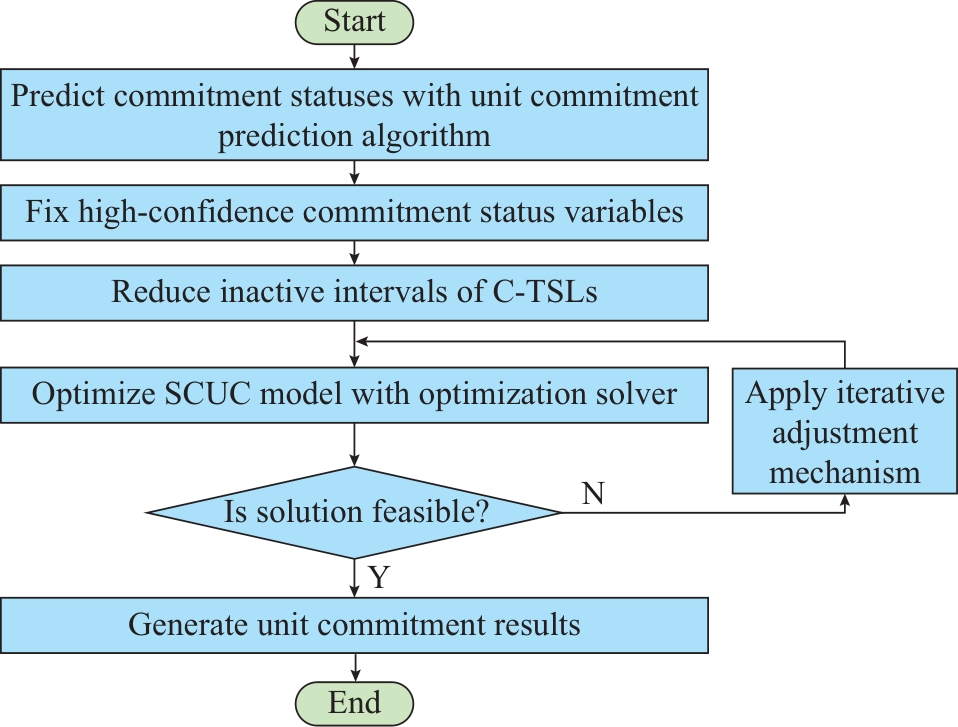
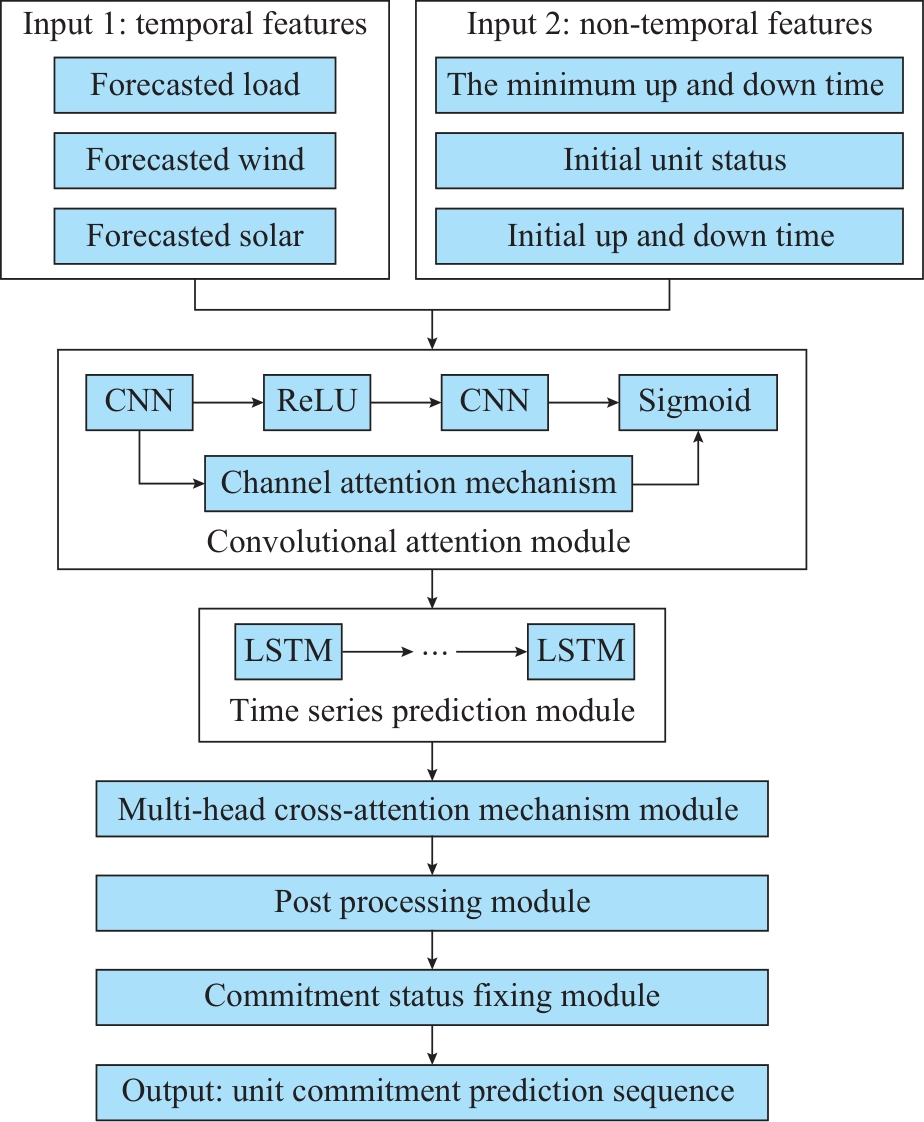
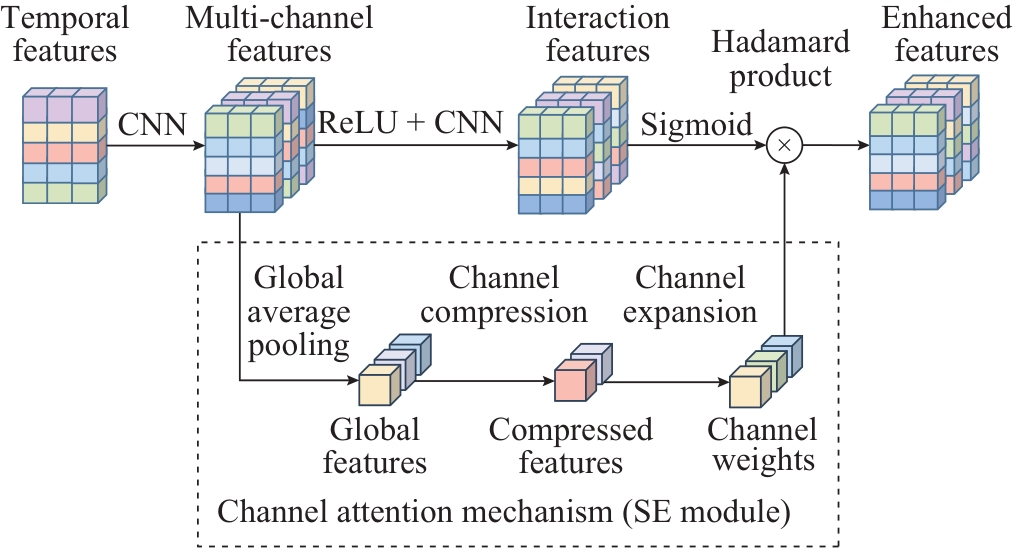
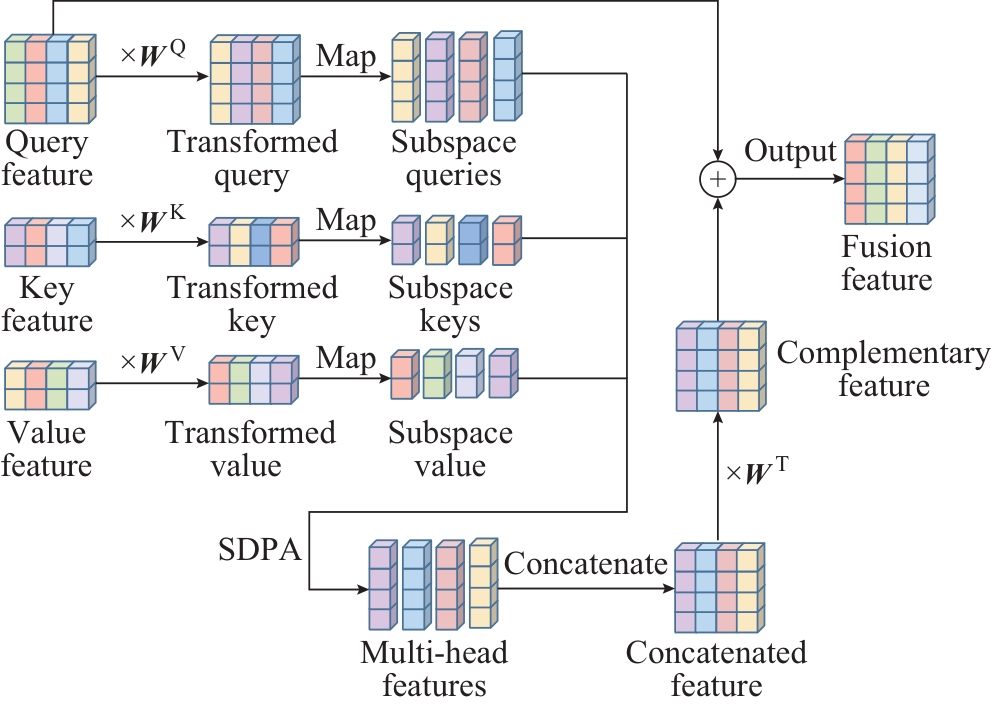
Conditional transmission section limits (C-TSLs) depend on the actual operational state of the power grid, such as commitment status and reserve capacity, exacerbating the computational complexity of the unit commitment problem. To overcome this complexity, this paper proposes a data-model hybrid-driven approach for solving unit commitment problems. Furthermore, a unit commitment prediction algorithm is proposed to reduce the problem scale by fixing a subset of unit commitment variables, thereby eliminating inactive C-TSL intervals. Specifically, the proposed algorithm incorporates a convolutional attention module to perform deep feature extraction and enhancement on time series data, complemented by a multi-head cross-attention mechanism designed to synthesize temporal and non-temporal features. The introduction of attention mechanisms enhances the prediction performance of the proposed algorithm. Numerical results demonstrate that the proposed approach significantly reduces the number of variables and constraints in the unit commitment model, thereby expediting the solution process while maintaining high solution accuracy.
- 1
- 2
- 3
- 4
- 5
- 6
- 7
- 8
- 9
-
Chenxu Yin, Yonghui Sun, Dongliang Xie, Fan Sheng, Liang Zhao
2026,14(5):1720-1731, DOI: 10.35833/MPCE.2025.000695
Abstract:
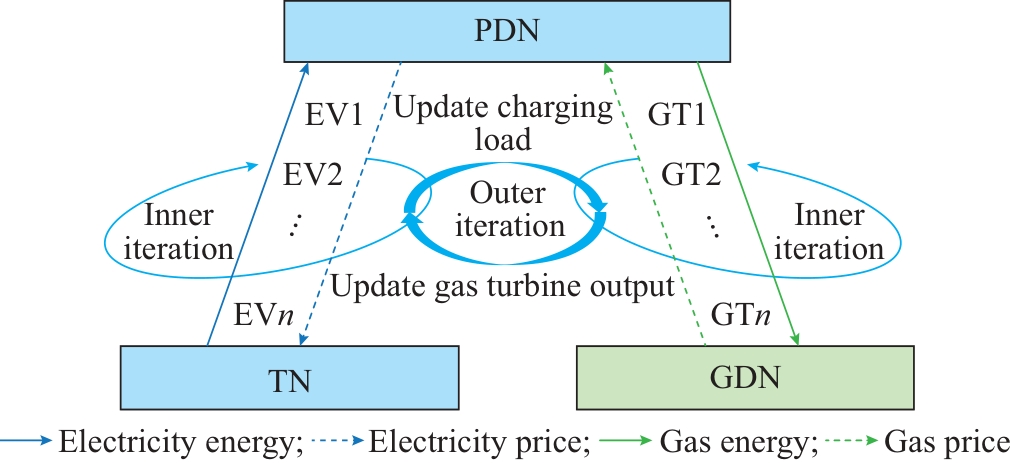
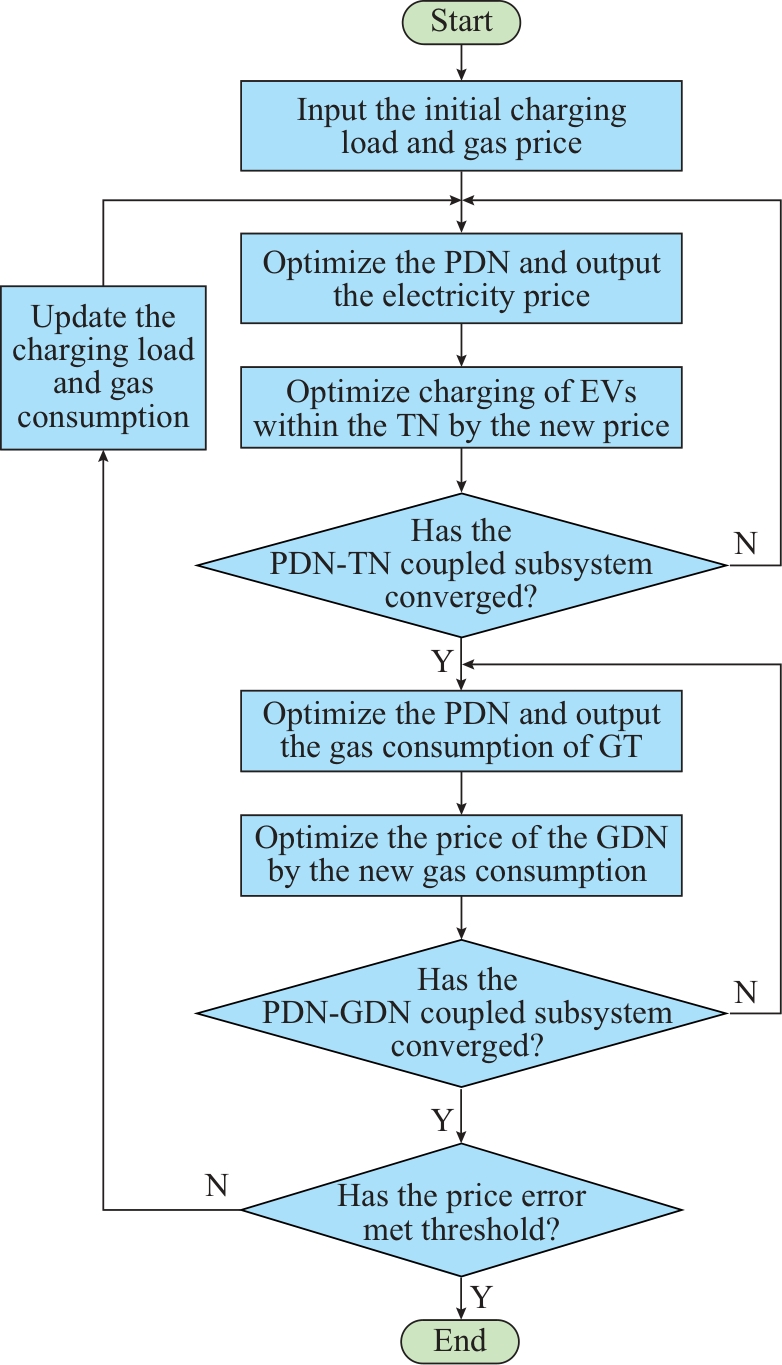
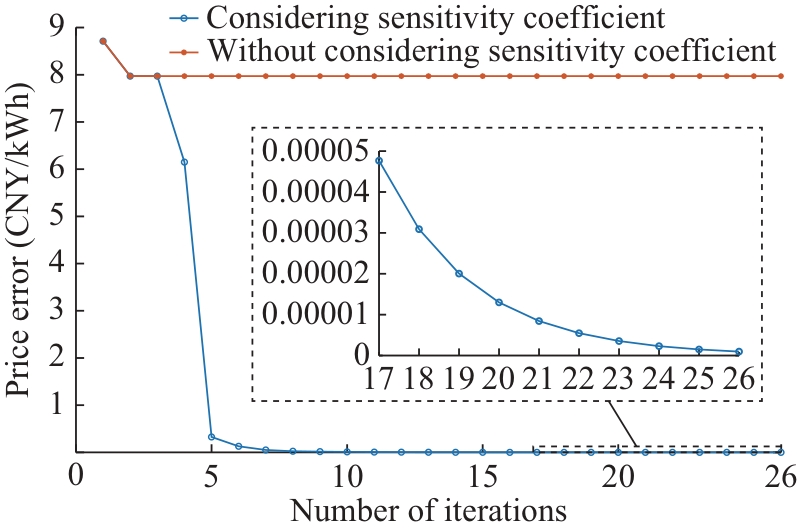
This paper addresses the increasingly tight energy coupling in urban energy systems, which are composed of the power distribution network (PDN), the transportation network (TN), and the gas distribution network (GDN). A non-cooperative game optimization model for the urban energy system is developed, to achieve coordinated optimization among these three different energy networks operated by independent stakeholders. To avoid excessive sharing of private information, an inner-outer iterative method is further proposed to obtain the Nash equilibrium and enhance solving efficiency. In the proposed method, each energy network is iteratively optimized by exchanging only the price and load information, and the network parameters are not disclosed. In the inner layer, the PDN-TN coupled subsystem and the PDN-GDN coupled subsystem are solved separately. In the outer layer, interactions between charging loads and gas prices are coordinated through the PDN, thereby enabling cross-network coordination of urban energy systems. Case studies demonstrate that the convergence speed of the PDN-TN coupled subsystem is significantly improved by dynamically adjusting the electricity price based on sensitivity coefficients. Balanced resource allocation of the urban energy system is achieved through the non-cooperative game, while autonomy of all stakeholders is preserved. Energy procurement costs are reduced by up to 25.56% compared with that of the PDN-TN coupled subsystem.
- 1
- 2
- 3
- 4
- 5
- 6
- 7
-
Zhi Rui, Xiaoyuan Xu, Zheng Yan, Bin Qian, Xiaoming Lin
2026,14(5):1732-1743, DOI: 10.35833/MPCE.2025.000941
Abstract:
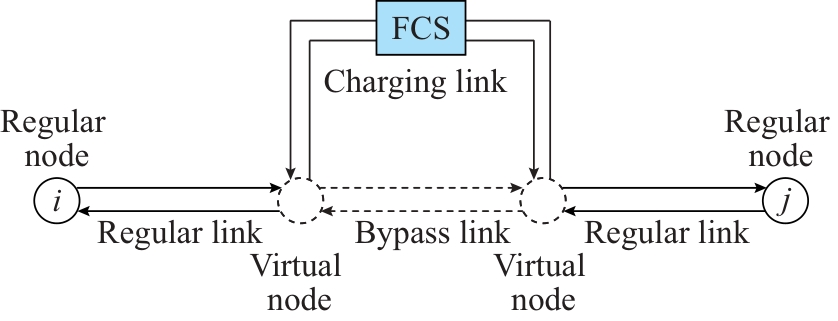
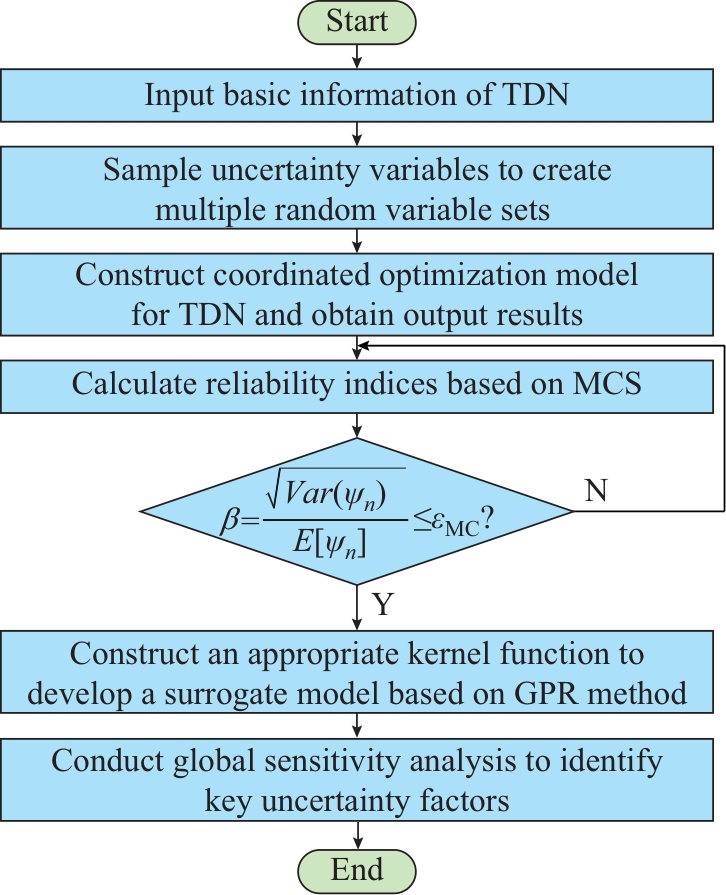
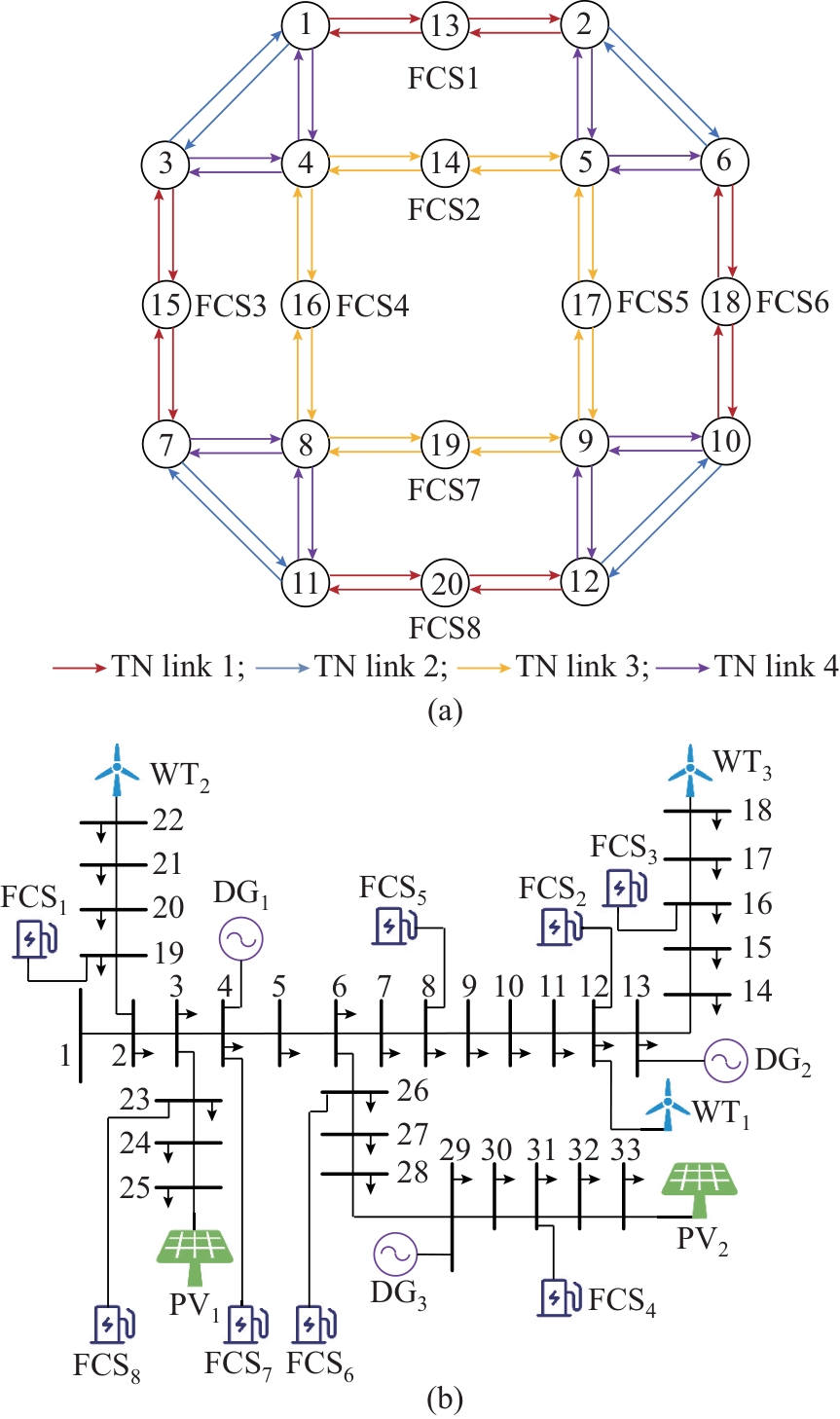
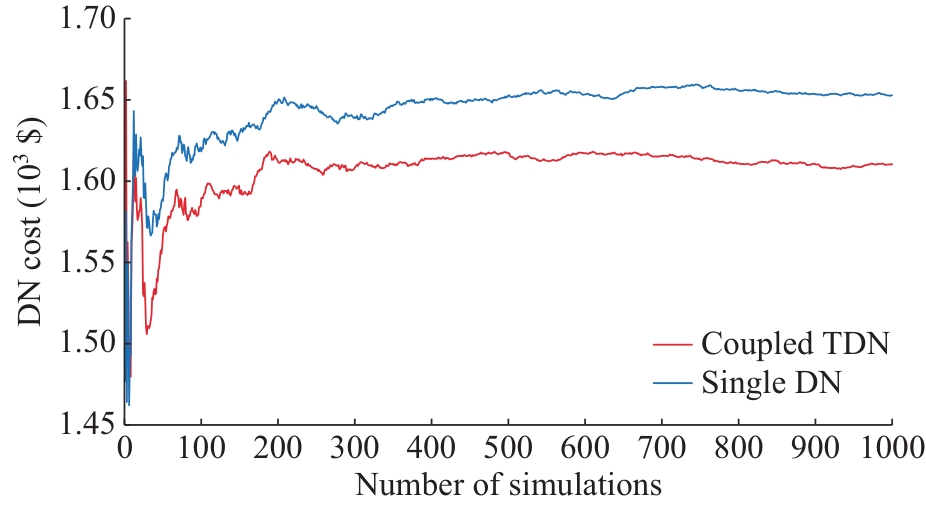
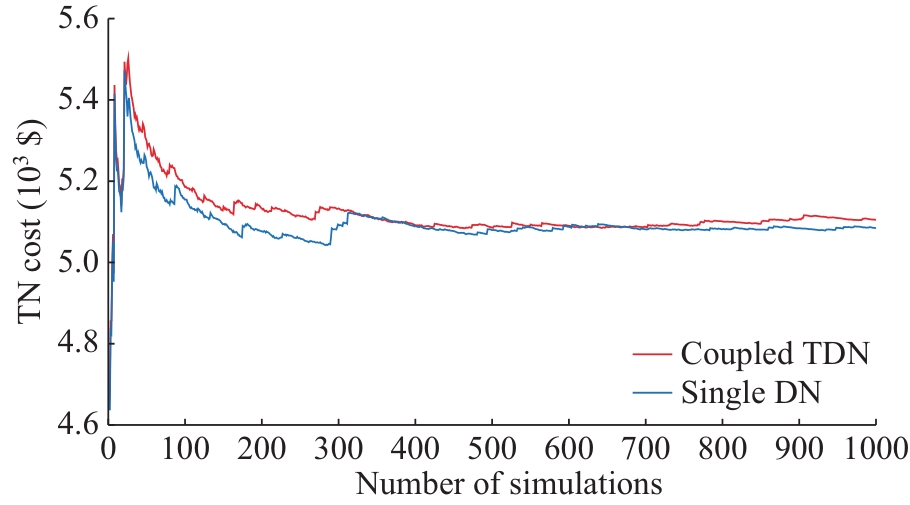
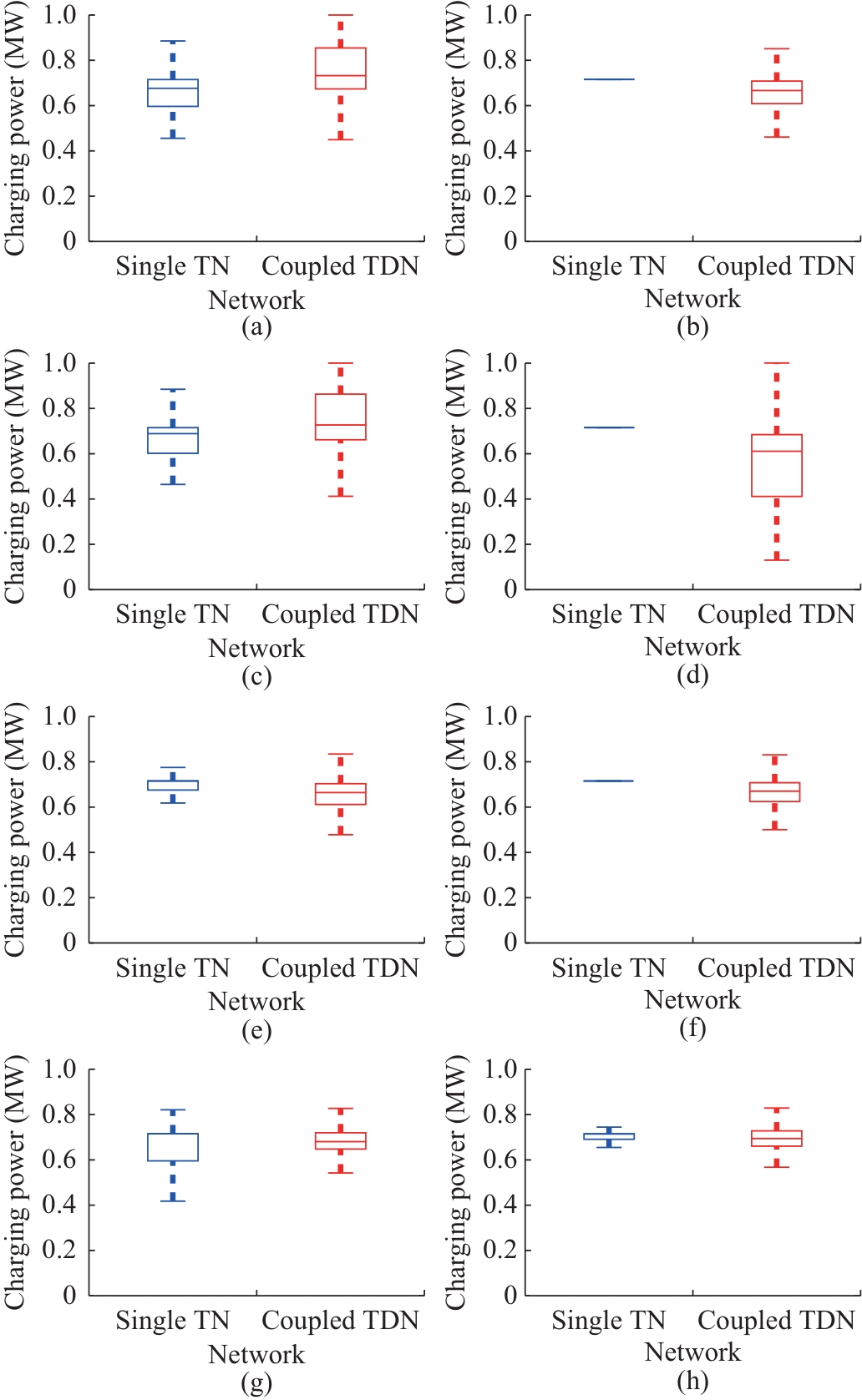
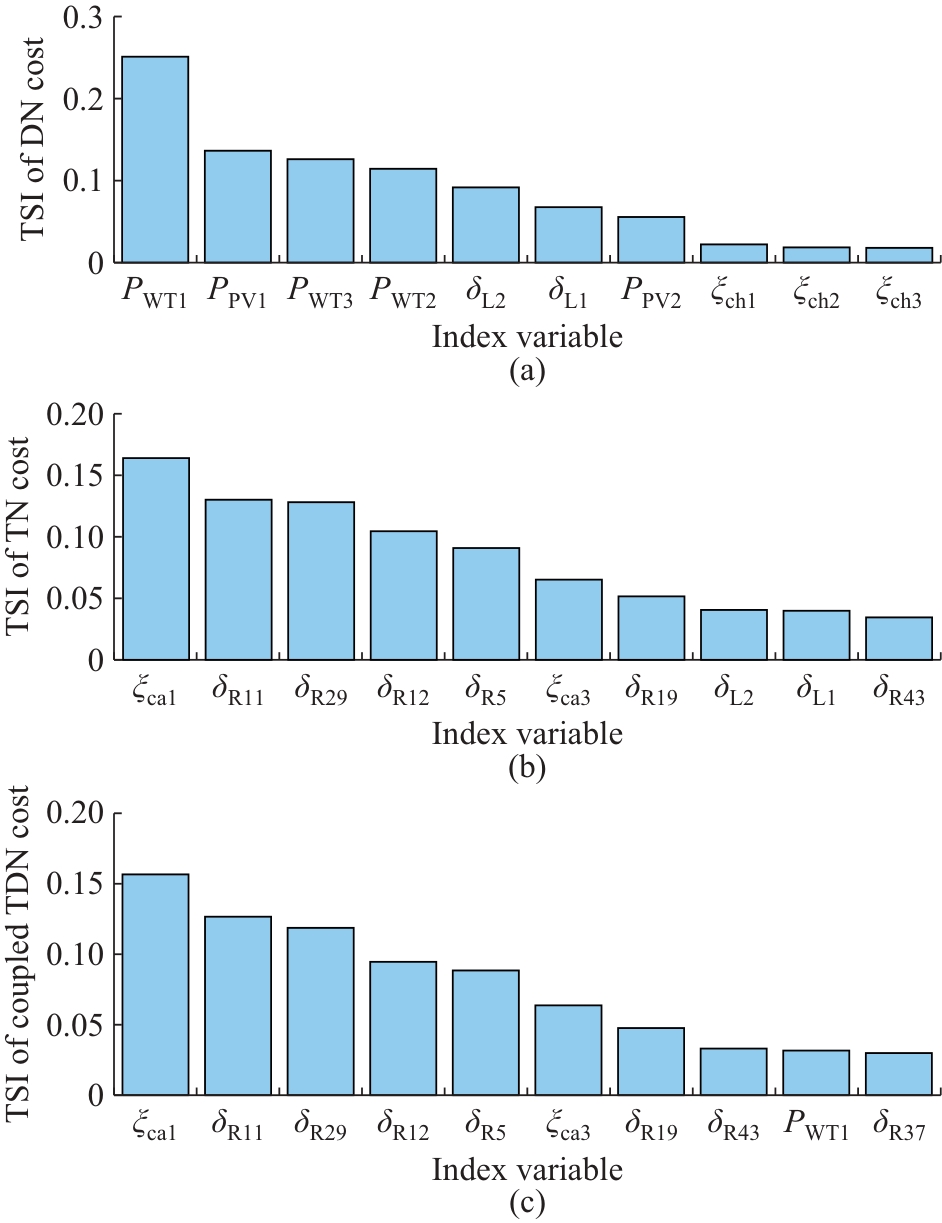
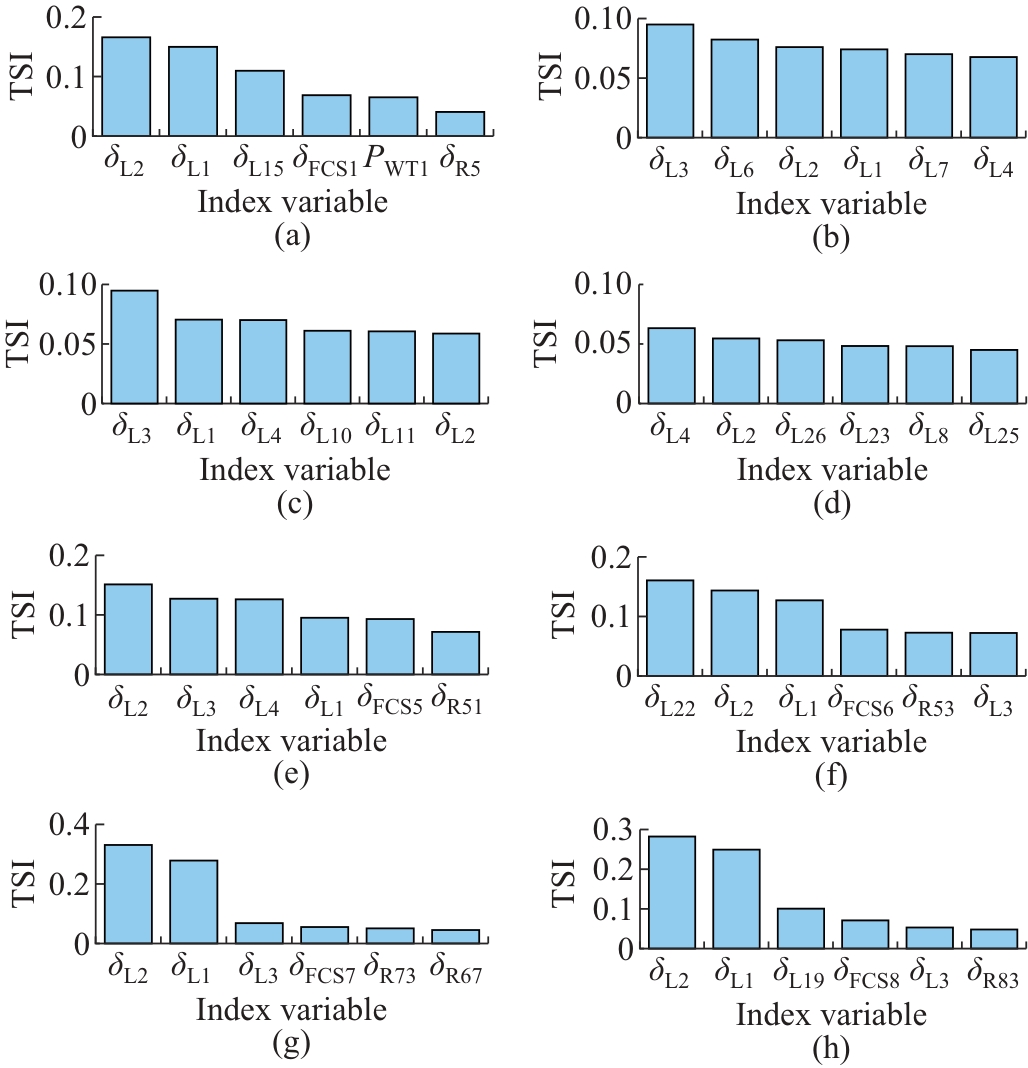
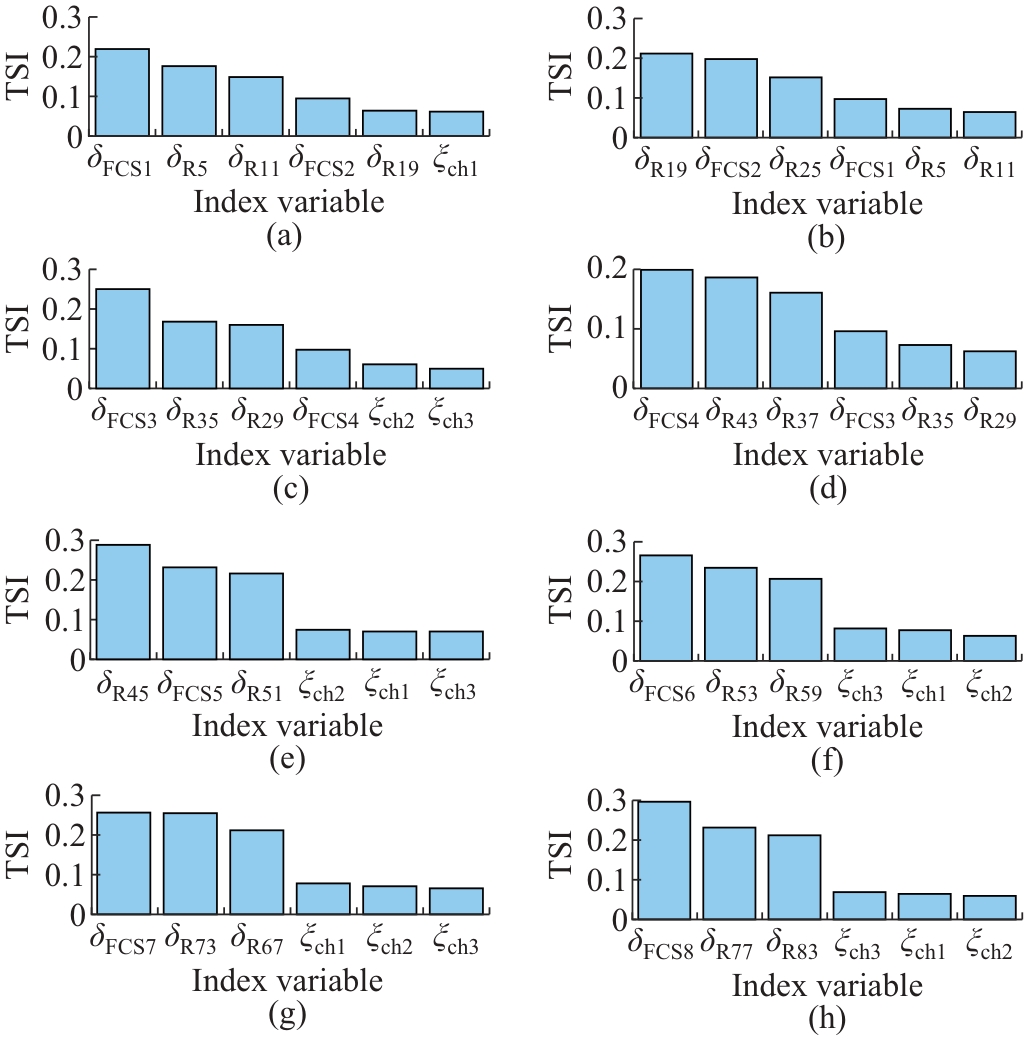
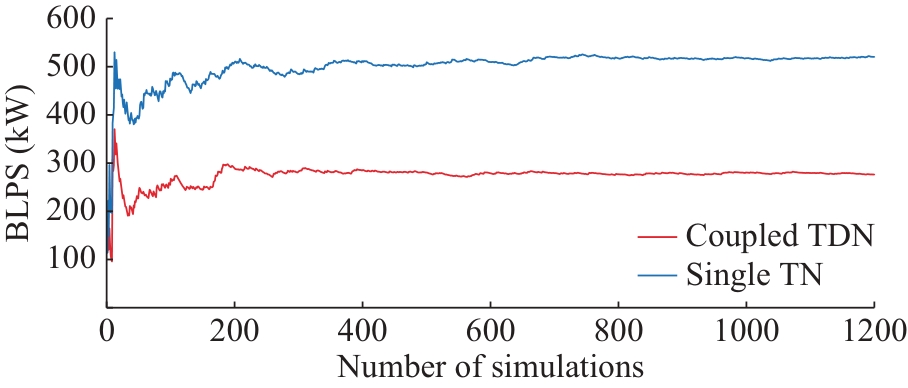
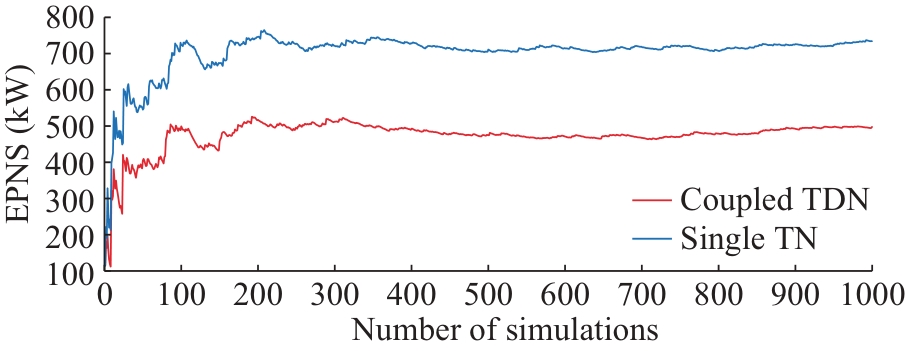
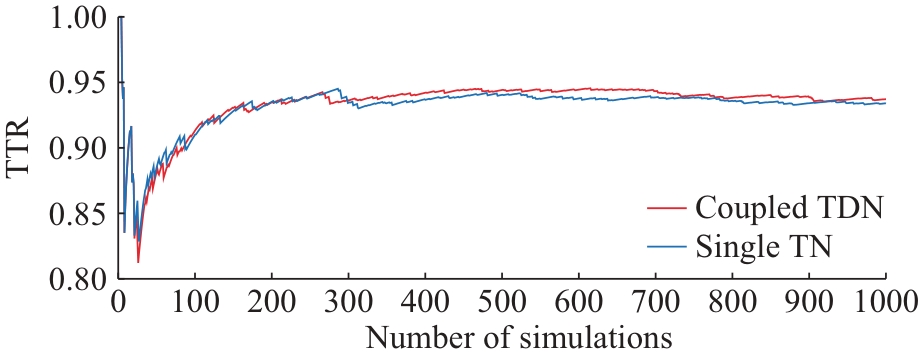
The increasing interdependence between transportation networks (TNs) and distribution networks (DNs) presents significant challenges for the analysis and risk assessment of coupled networks. This paper presents a risk assessment framework of coupled TN and DN (TDN) considering charging power restriction and uncertainty factors, simulating operations through a coordinated optimization model. The model incorporates charging power restrictions for fast charging stations (FCSs). To enhance computation efficiency, nonlinear constraints are linearized, and an accuracy-aware adaptive piecewise linearization method is utilized. Random variables within the coupled TDN are employed as inputs to develop a surrogate model based on the Gaussian process regression method, complemented by suitable kernel functions designed for the scenarios with numerous discrete categorical variables. A global sensitivity analysis is conducted to identify the continuous and discrete uncertainty factors that significantly impact system performance. The proposed risk assessment framework serves as a valuable tool for evaluating the coupled TDN and facilitating the identification of continuous and discrete uncertainty factors affecting network operation while revealing risks associated with failures in the operation of coupled TDN.
- 1
- 2
- 3
- 4
- 5
- 6
- 7
- 8
- 9
- 10
- 11
- 12
- 13
- 14
-
Masahiro Furukakoi, Akito Nakadomari, Akie Uehara, Paras Mandal, Mitsunaga Kinjo, Tomonobu Senjyu
2026,14(5):1744-1755, DOI: 10.35833/MPCE.2025.000962
Abstract:
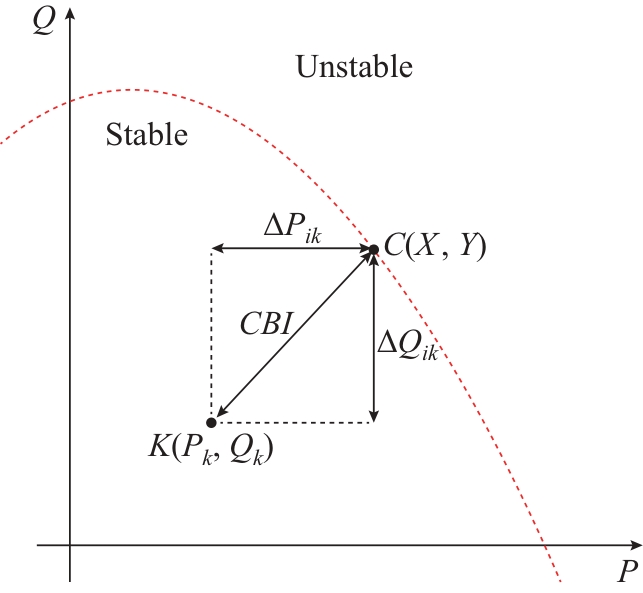
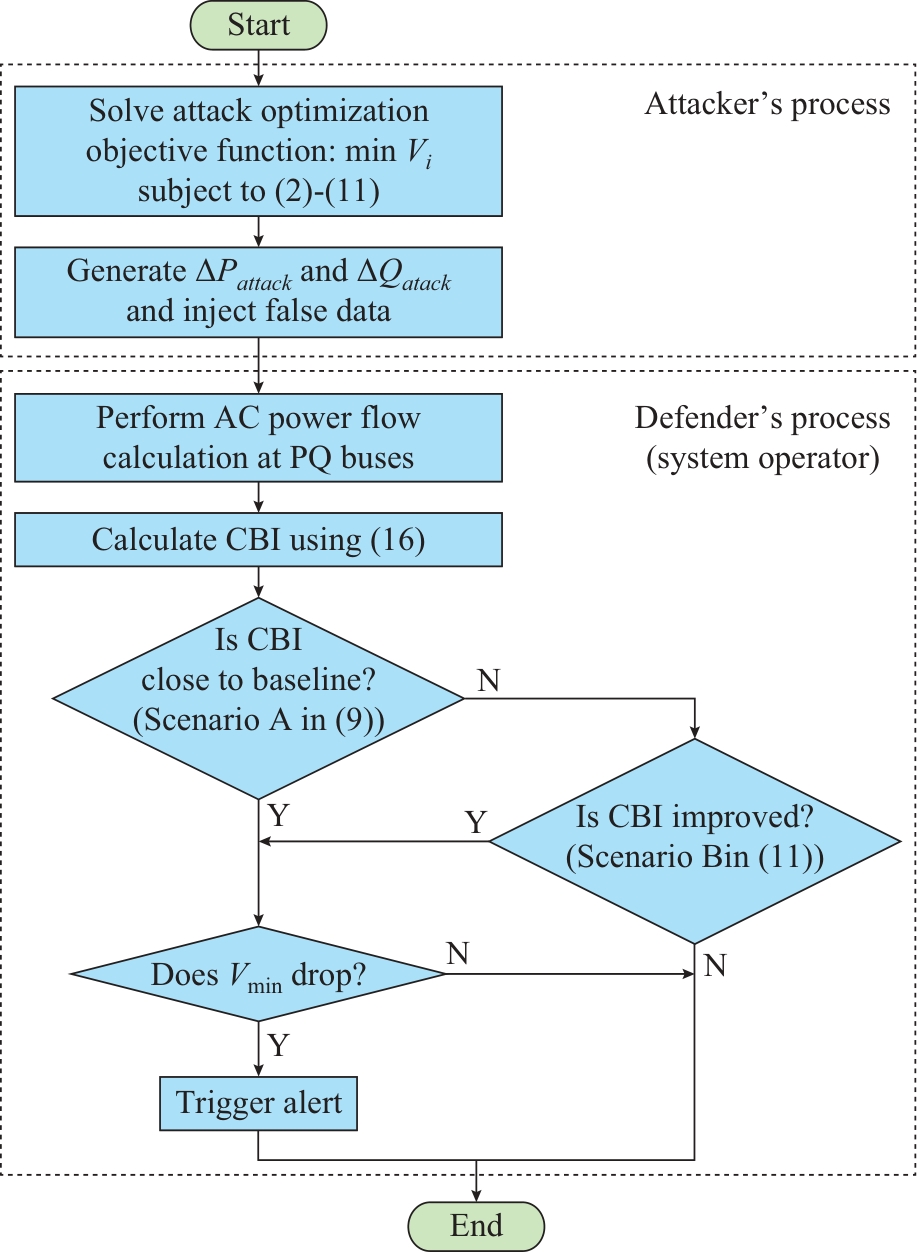
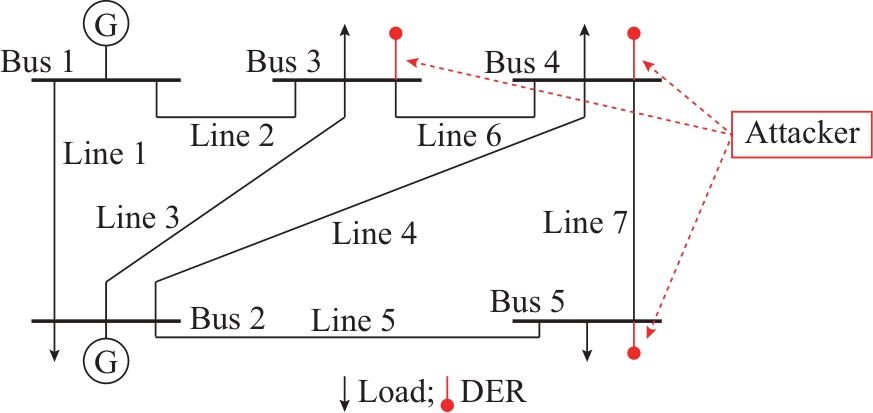
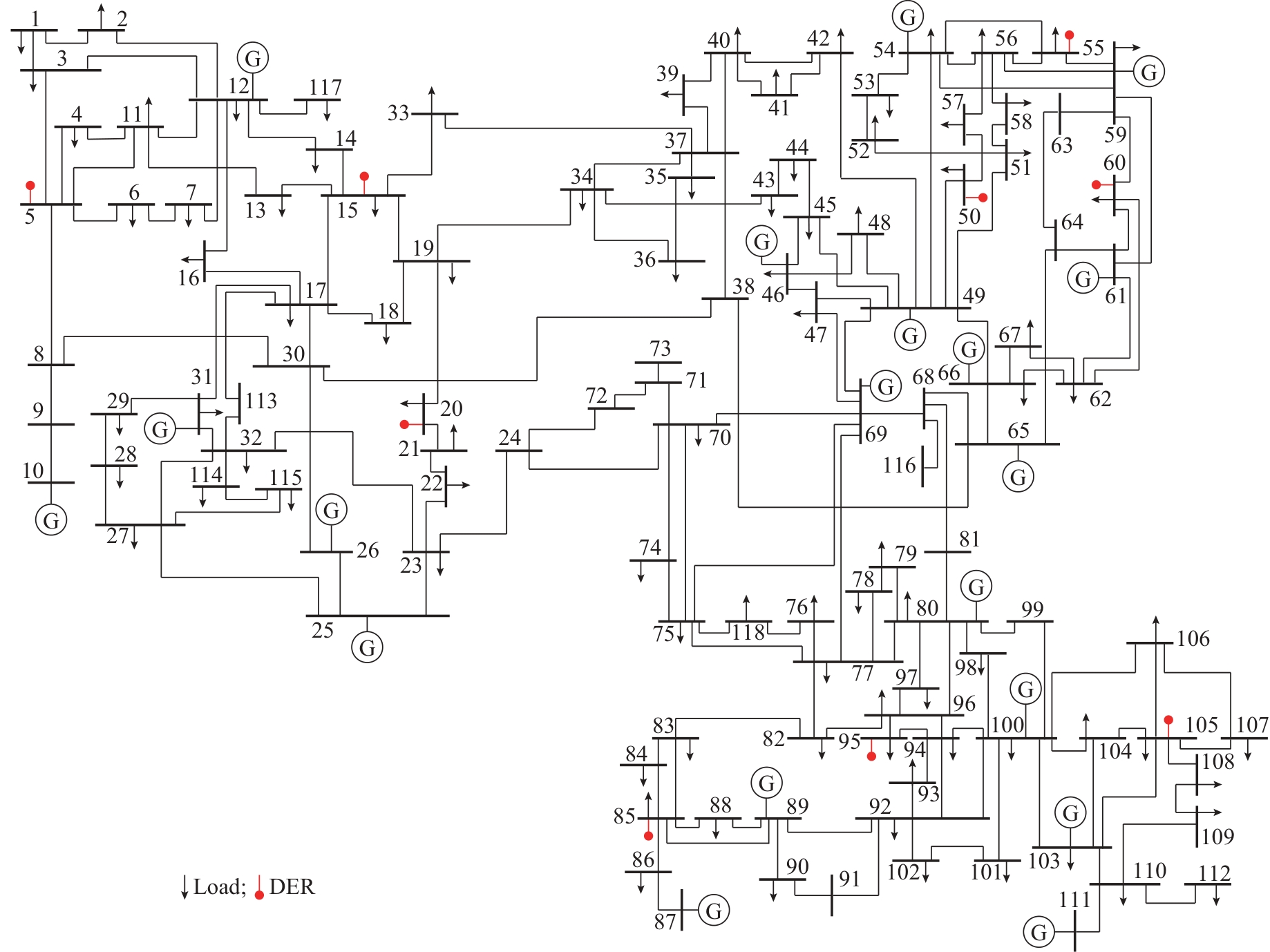
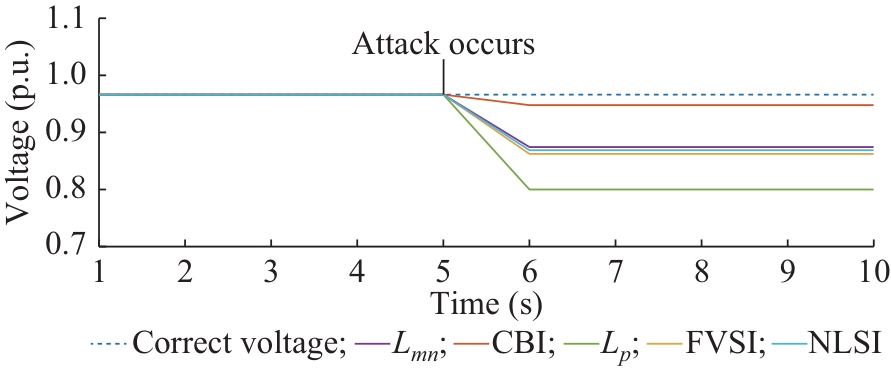
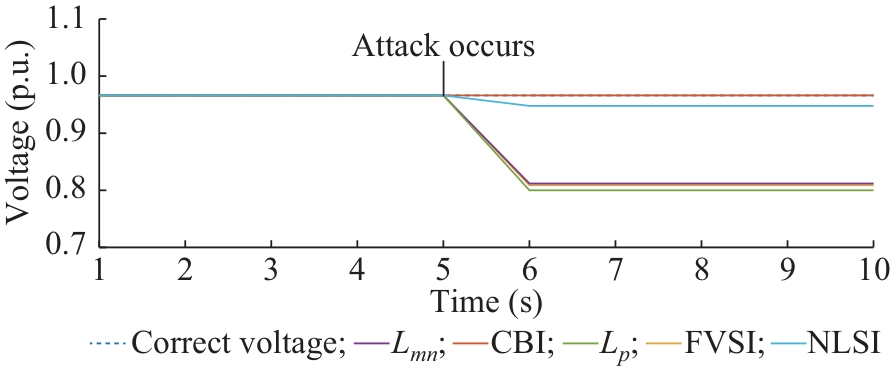
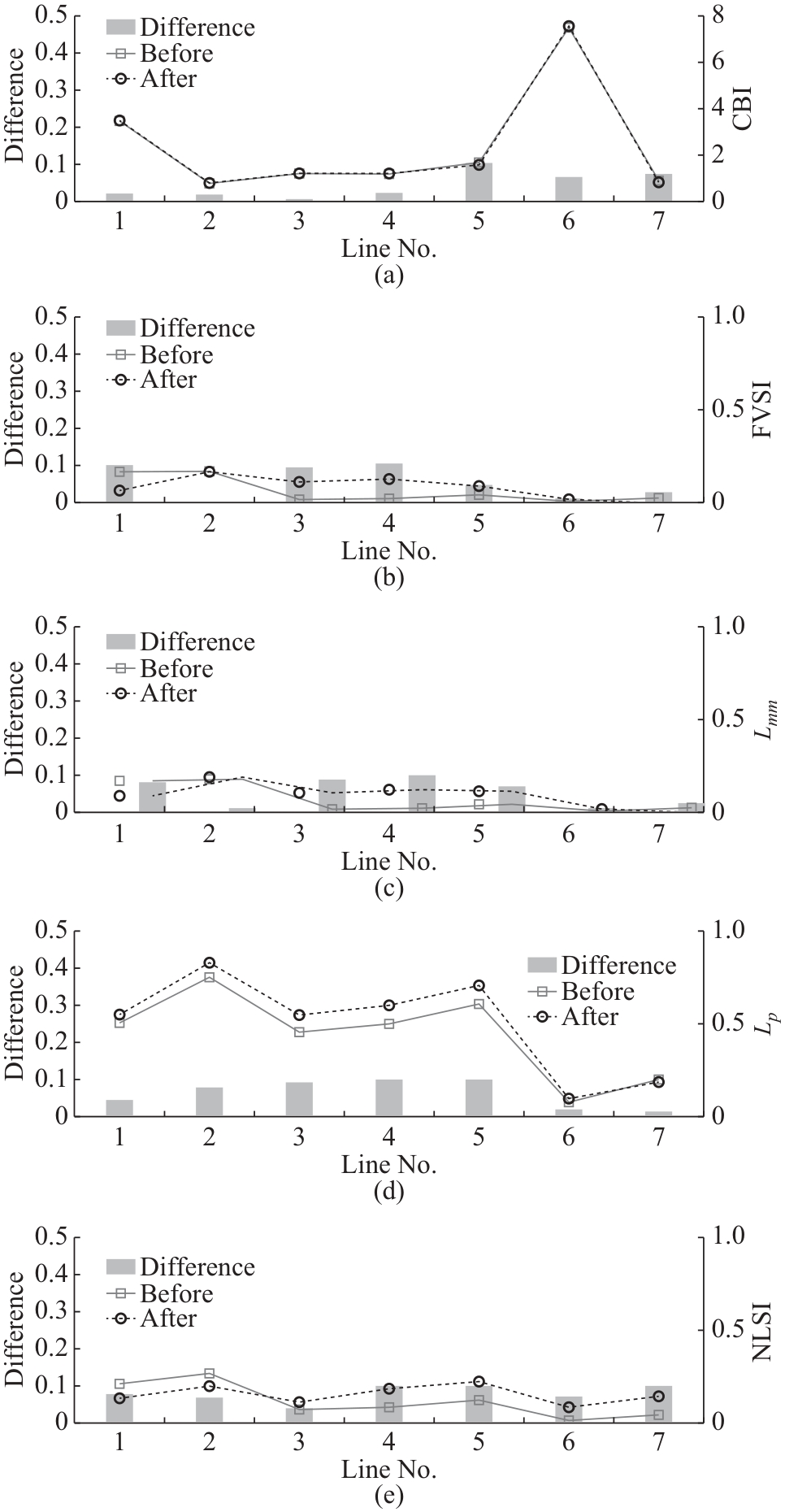
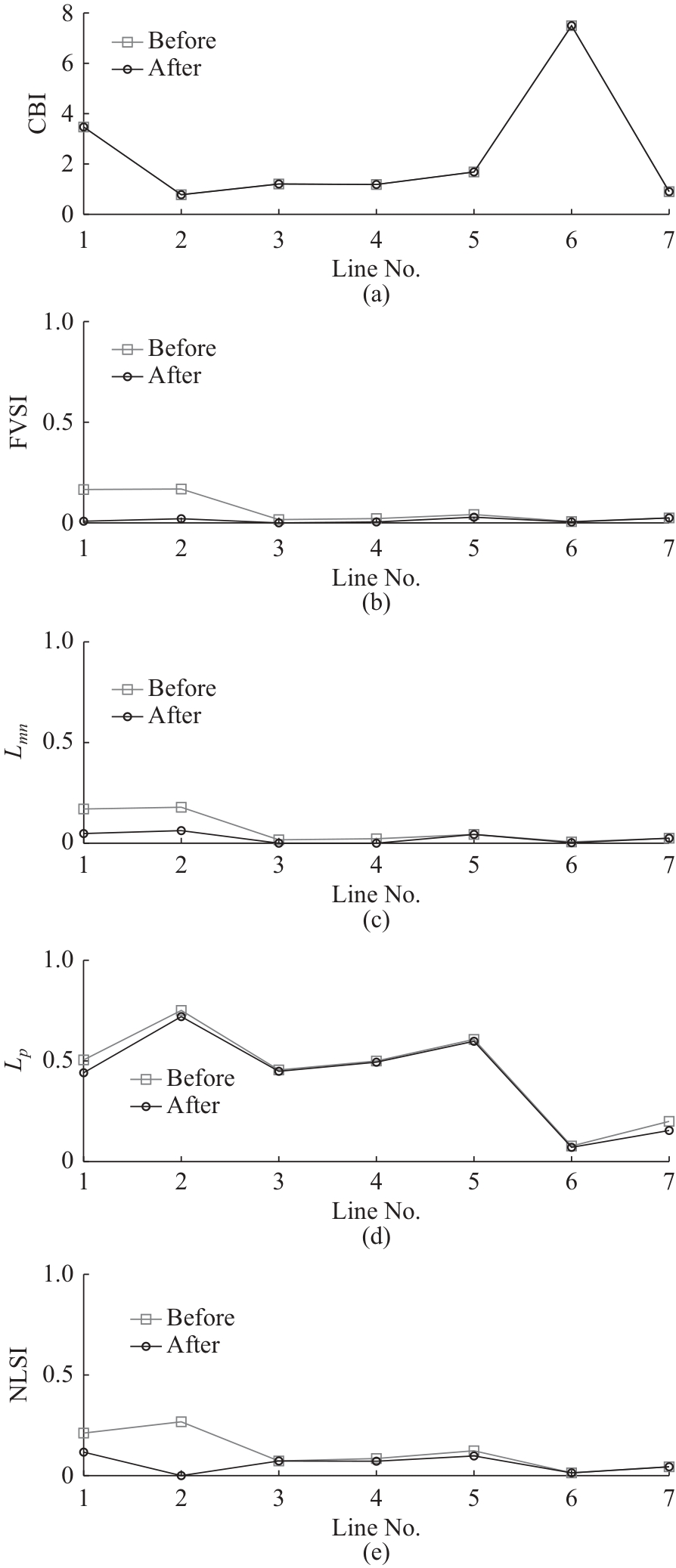
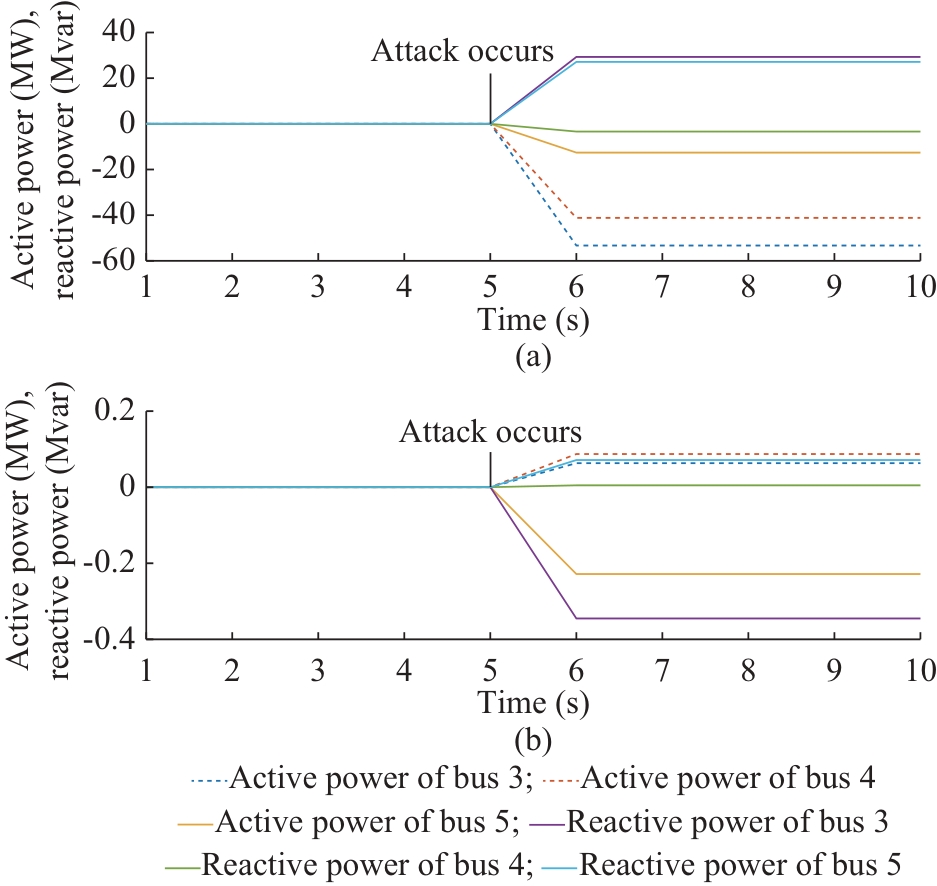
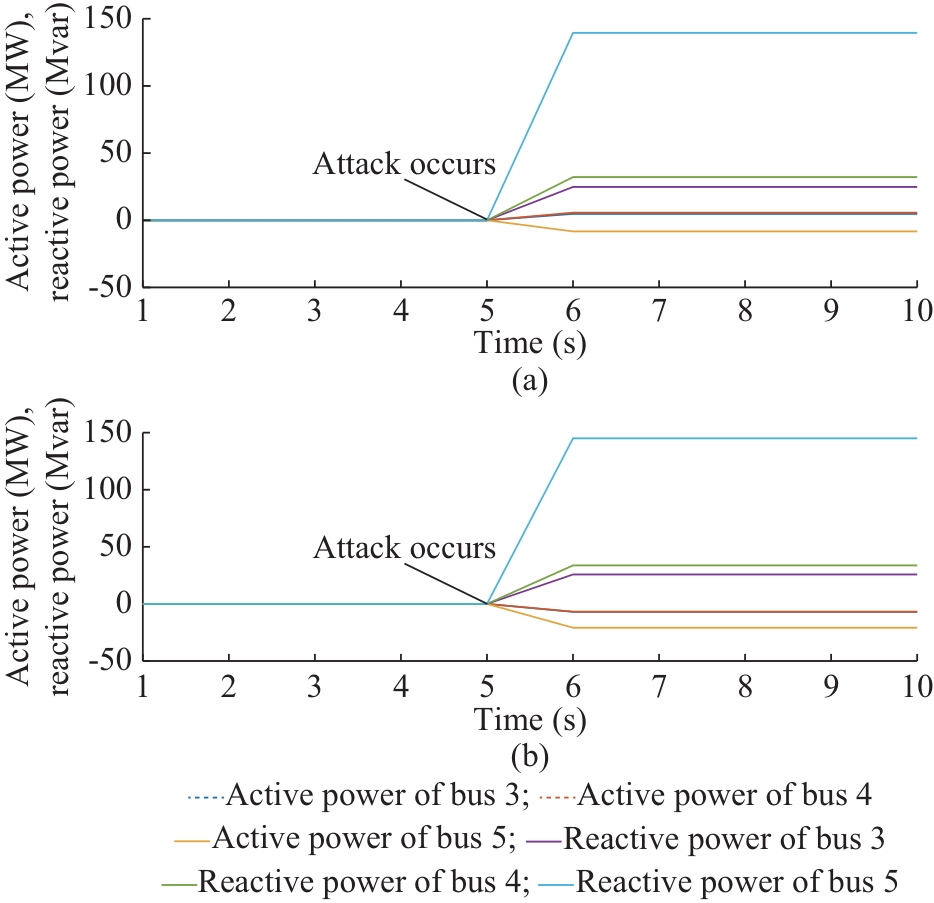
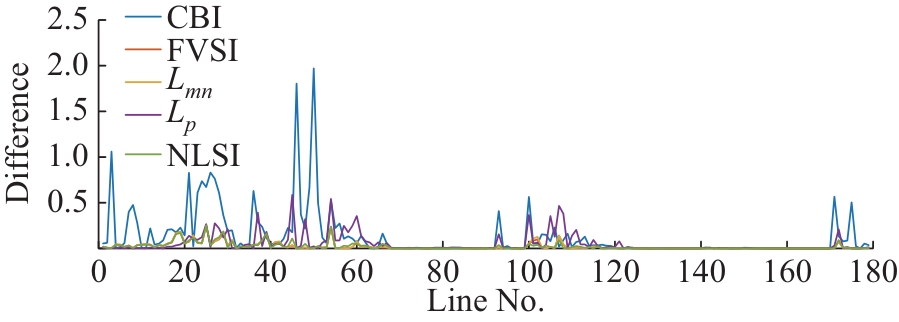
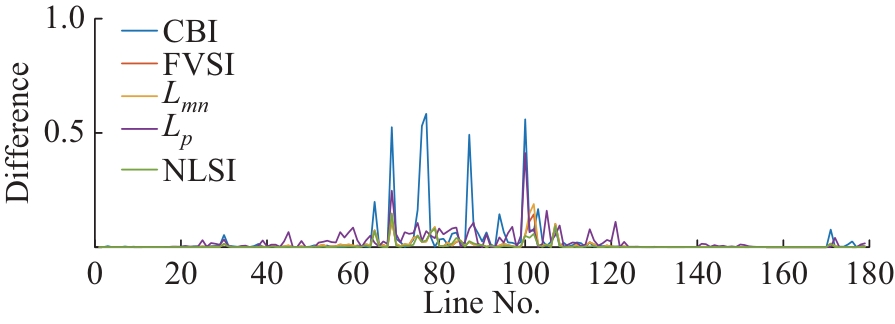
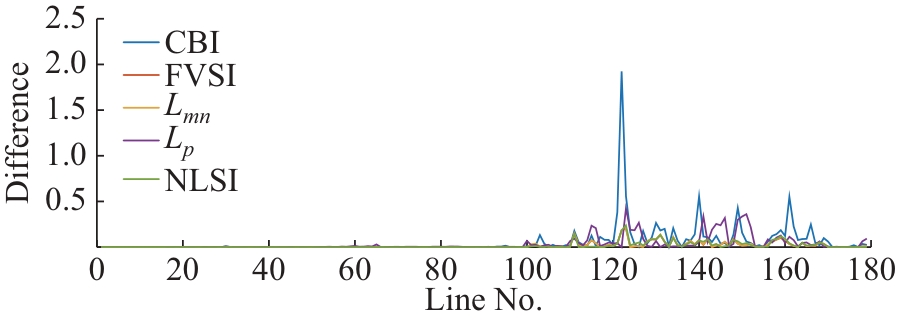
Cybersecurity in power systems with distributed energy resources (DERs) has become a serious challenge. This paper proposes a critical boundary index (CBI)-based preventive and post-detection defense approach against false data injection attacks (FDIAs) in power systems with DERs. The proposed approach utilizes the inherent attack resistance of CBI, a voltage stability index previously developed by the authors, to both preventively limit the impact of attacks and provide high-sensitivity post-attack detection of data manipulation. This paper quantitatively evaluates voltage stability monitoring approaches against FDIAs, comparing the resilience of CBI with conventional indices. Verification is conducted using IEEE 5-bus and 118-bus test systems with two types of FDIA scenarios: detection-avoidance type and misdirection type. The results demonstrate that when CBI is employed for monitoring, the achievable false data injection by attackers aiming to cause voltage drops is significantly reduced compared with conventional indices, maintaining system voltage within stable ranges. Additionally, CBI shows 1.5-2 times higher detection sensitivity compared with conventional indices. Notably, CBI demonstrates effective detection capability even against sophisticated attacks that falsely show improvement in voltage stability indices, which are difficult to detect using conventional approaches. These results confirm that the proposed approach effectively constrains attacker capabilities while providing enhanced detection sensitivity. Based on these findings, the proposed approach is shown to provide high sensitivity to even minor data tampering, offering a multi-layered defense combining prevention and detection for power systems with DERs.
- 1
- 2
- 3
- 4
- 5
- 6
- 7
- 8
- 9
- 10
- 11
- 12
- 13
- 14
- 15
-
Javier García-Aguilar, Aurelio García-Cerrada, Juan L. Zamora, Emilio J. Bueno, Elena Saiz, Almudena Muñoz-Babiano, Mohammad E. Zarei
2026,14(5):1756-1767, DOI: 10.35833/MPCE.2025.000640
Abstract:
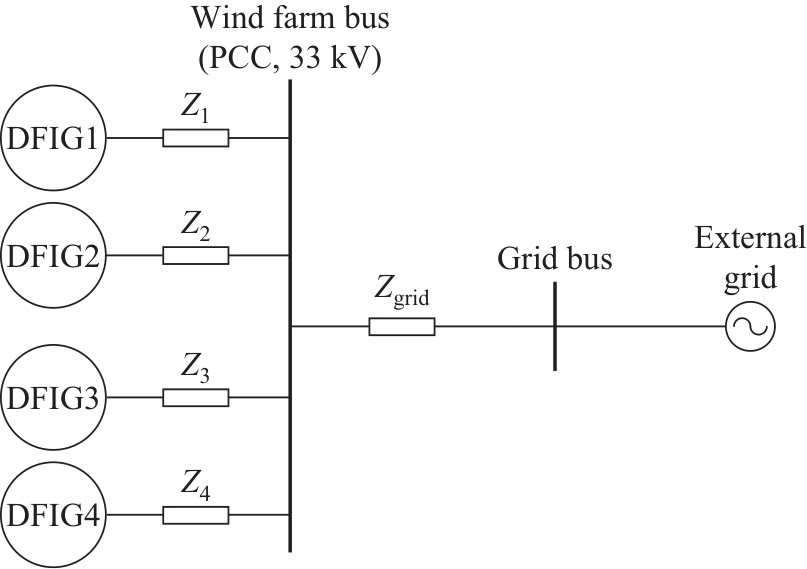
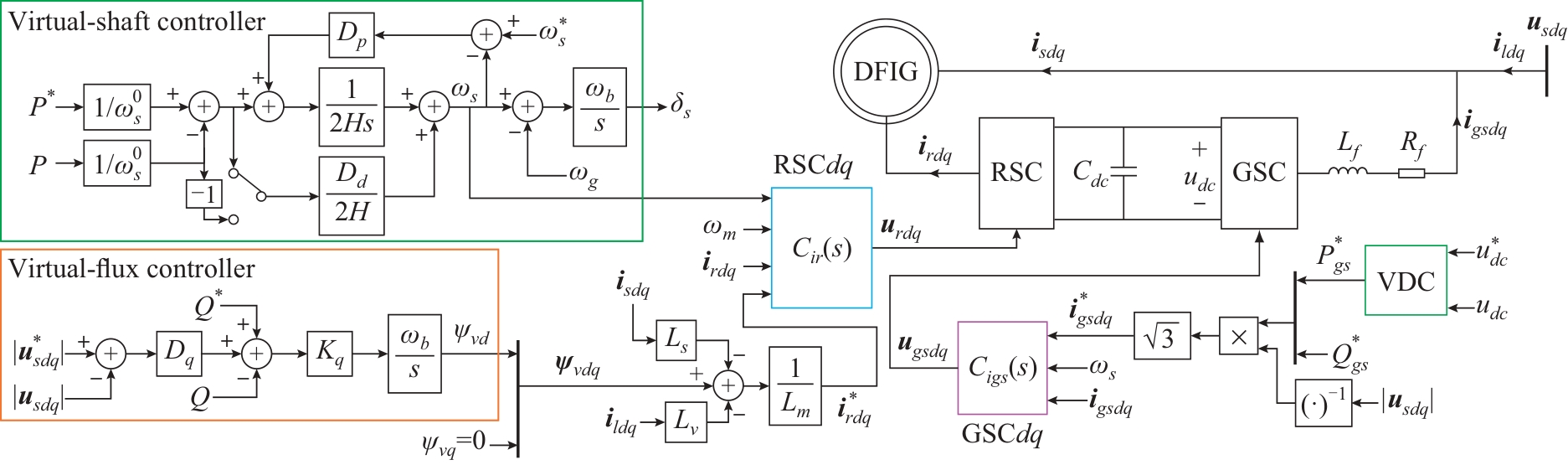
The displacement of synchronous generators by converter-interfaced renewable energy sources requires wind farms to provide inertia, damping, and voltage support, particularly in increasingly weak grids. Based on classical frequency-domain loop-shaping techniques, this paper presents a coordinated multi-loop control design methodology of virtual synchronous machine (VSM)-controlled doubly-fed induction generators (DFIGs) in a wind farm to tackle the intra-machine controller interactions. Starting from an initial tuning and a full small-signal linearisation, every local open loop is redesigned to meet explicit phase margin targets through a single and prioritised iteration. The resulting controllers achieve step responses and stability margins close to those programmed at the design stage, despite the cross-coupling between control loops. Results can be improved further if a few more design iterations are carried out. Since the controller synthesis relies exclusively on classical loop-shaping tools available in commercial simulation software, it is directly applicable to industrial-scale projects.
- 1
- 2
- 3
- 4
- 5
- 6
- 7
- 8
- 9
- 10
- 11
- 12
- 13
-
Xiangjun Zeng, Xiangqing Fang, Binqiao Zhang, Chen Feng, Shengyuan Zhou
2026,14(5):1768-1779, DOI: 10.35833/MPCE.2025.000413
Abstract:
Wind turbine (WT) fault diagnosis using supervisory control and data acquisition (SCADA) data is challenged by severe class imbalance, which deteriorates the recognition of minority class. To address this issue, a spatiotemporal feature extraction framework from integrated multivariate time series (IMTS) is proposed, with coordinated designs in data representation, model architecture, and loss regularization. First, a dual-label IMTS is constructed to fuse multi-source SCADA data via sliding windows. Second, a spatiotemporal feature learning architecture is developed by integrating a multi-scale convolutional neural network (MCNN) and a stacked long short-term memory (LSTM) network and designing the MCNN-LSTM model. Finally, an improved weighted cross-entropy loss is proposed, which incorporates kernel density estimation-based sample probabilities as regularization, thereby directing model attention toward minority and hard-to-classify samples. Experimental results on a real SCADA dataset demonstrate that the proposed MCNN-LSTM model achieves a Macro-recall score of 0.943 and a G-mean score of 0.942, outperforming comparison models in comprehensive performance.
- 1
- 2
- 3
- 4
- 5
- 6
- 7
-
Xue Li, Menglei Zhi, Tao Jiang, Rufeng Zhang, Guoqing Li
2026,14(5):1780-1792, DOI: 10.35833/MPCE.2025.000788
Abstract:
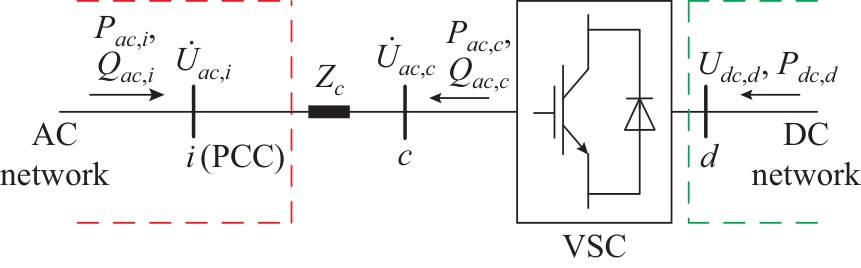
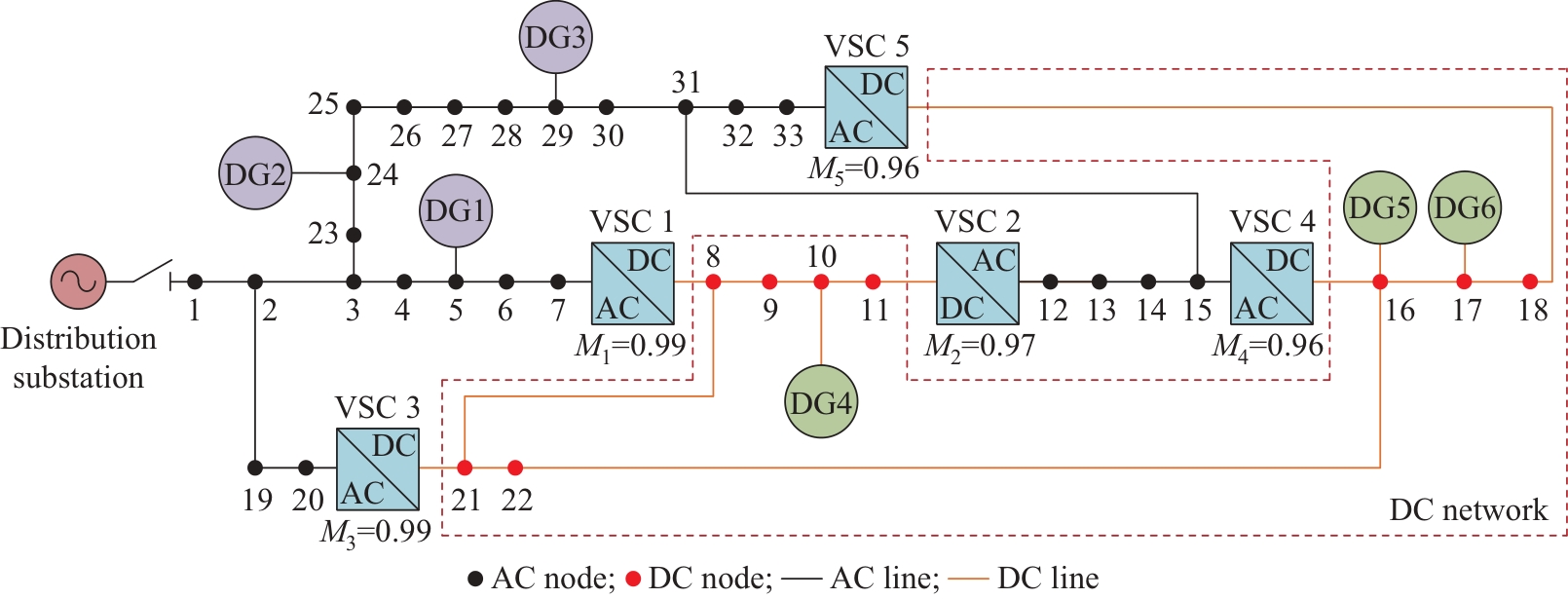
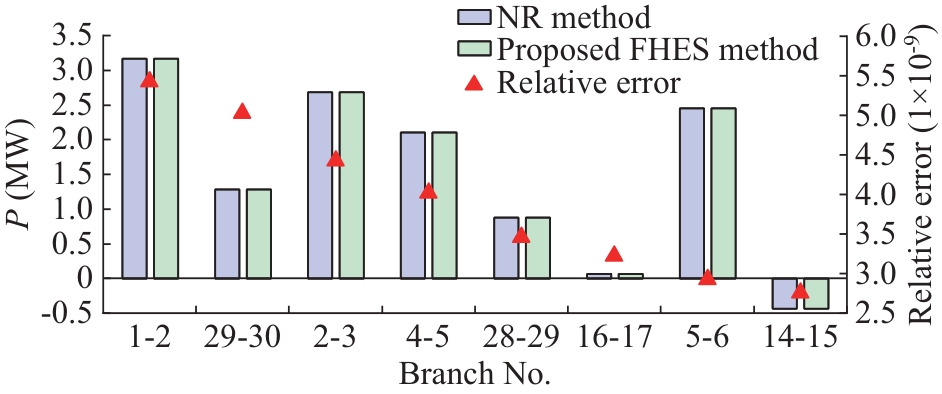
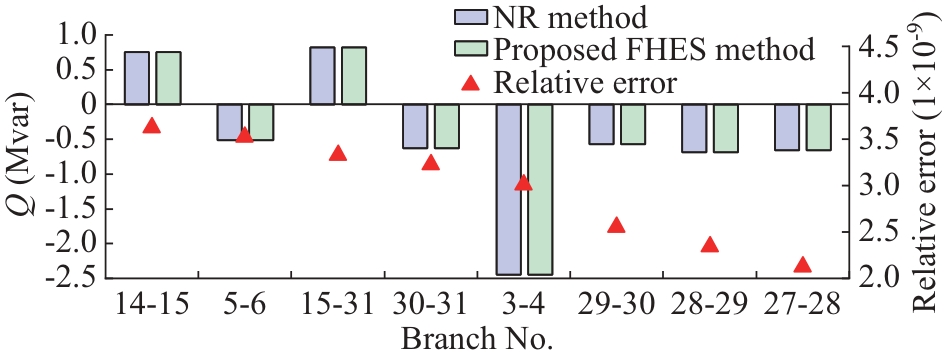
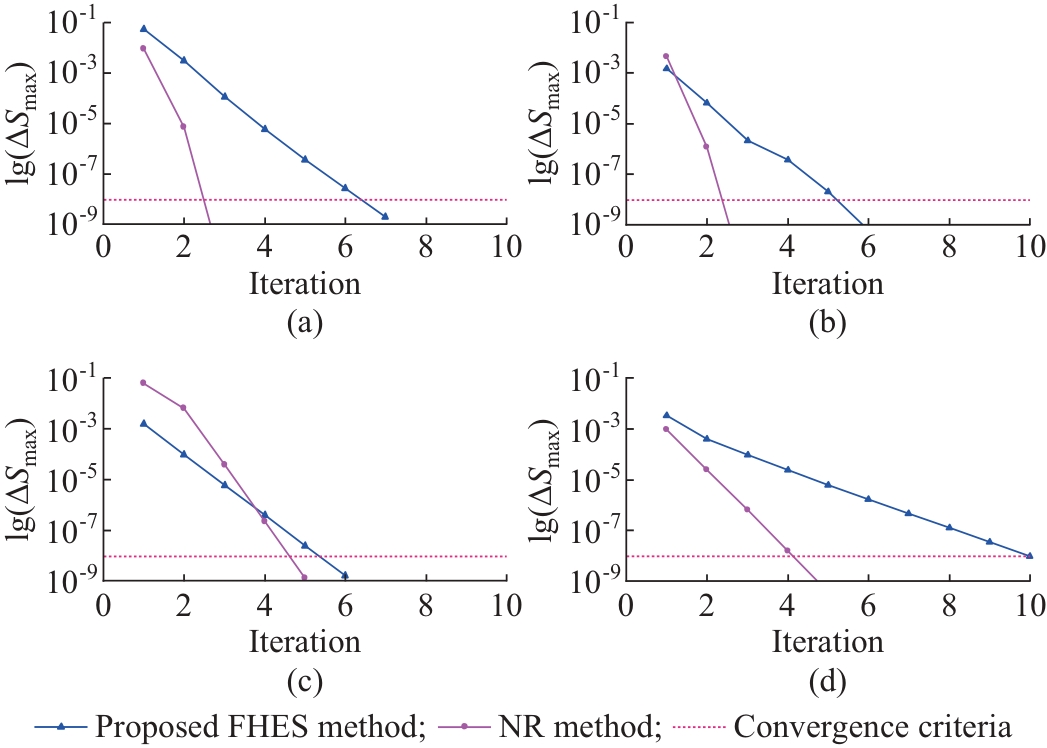
Holomorphic embedding (HE) method has gained increasing attention in power system analysis because of its robustness. This paper further extends the HE theories into the power flow calculation in hybrid AC/DC active distribution networks (ADNs). A flexible holomorphic embedding solution (FHES) method is proposed for the power flow calculation in AC/DC ADNs in the grid-connected and islanded modes. This paper also develops the HE models of voltage source converters (VSCs) with active and reactive power control modes. The HE models of loads in AC/DC ADNs are also formulated by taking full account of static voltage and frequency characteristics. Furthermore, the HE models of the distributed generators (DGs) under various control modes are developed. A sequential iterative method is employed to solve the developed HE models of AC/DC ADNs in the grid-connected and islanded modes. The performance of the proposed FHES method is evaluated using the modified IEEE 33-node and IEEE 123-node AC/DC ADNs. Finally, the testing results validate the accuracy and robustness of the proposed FHES method.
- 1
- 2
- 3
- 4
- 5
- 6
- 7
- 8
- 9
-
Binjie Wang, Wu Tu, Xiaodong Yang, Hui Fang, Lijian Ding, Wei Lou, Qiuwei Wu, Jinyu Wen
2026,14(5):1793-1805, DOI: 10.35833/MPCE.2025.000431
Abstract:
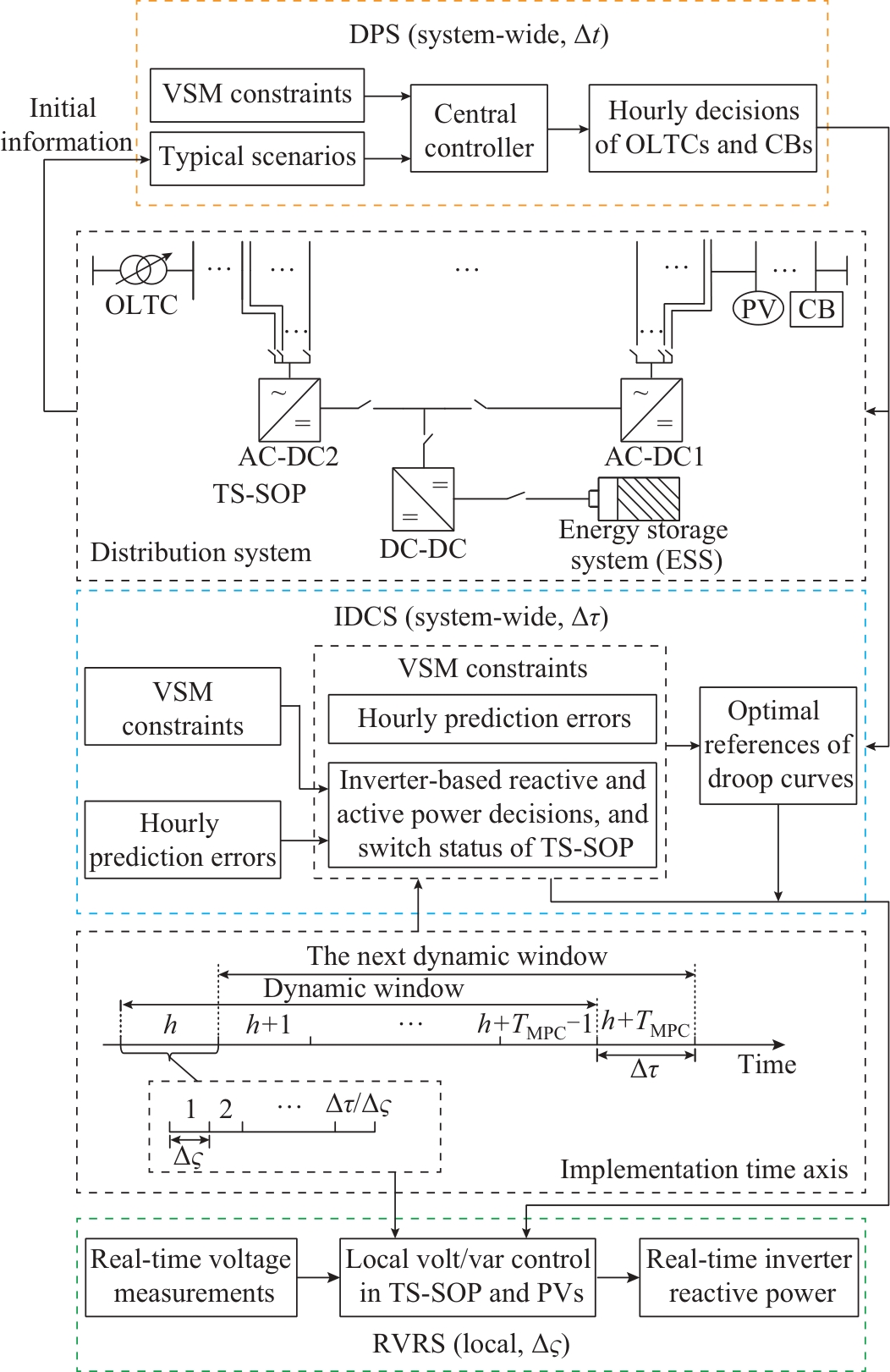
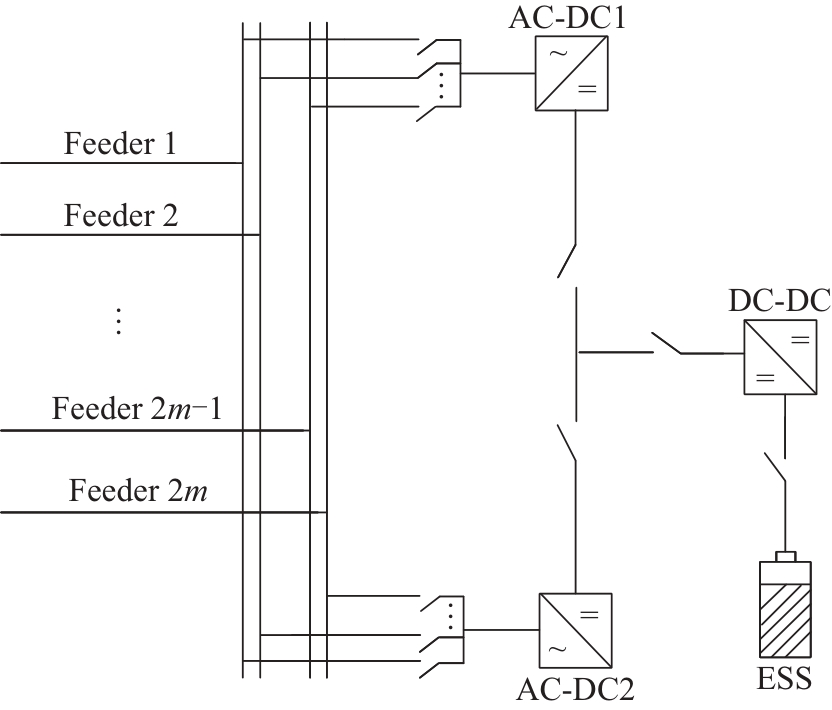
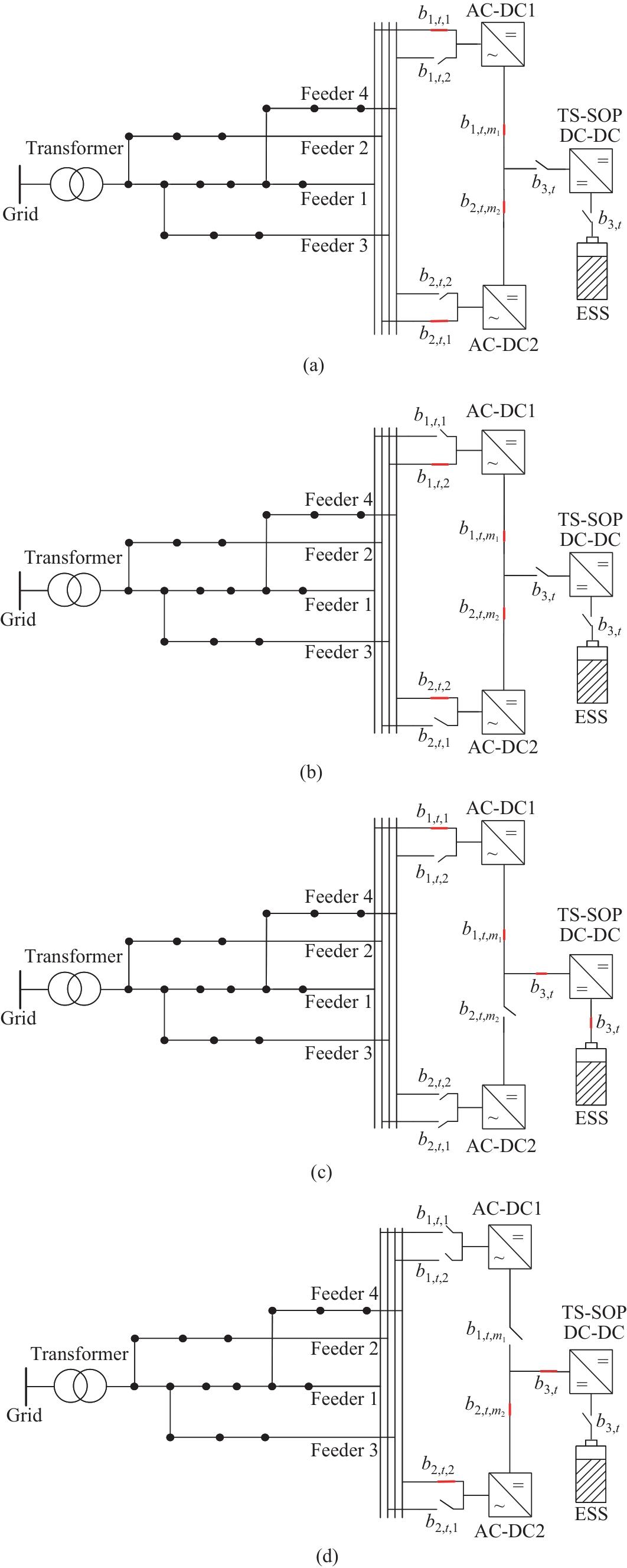
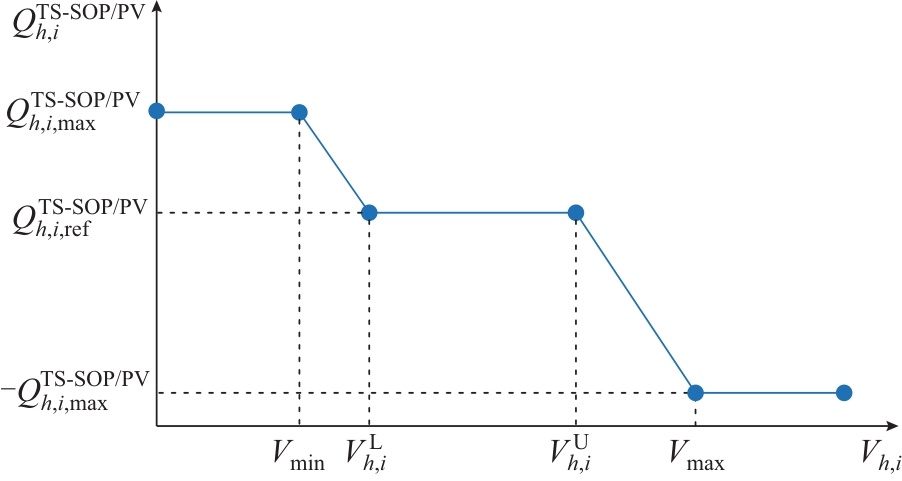
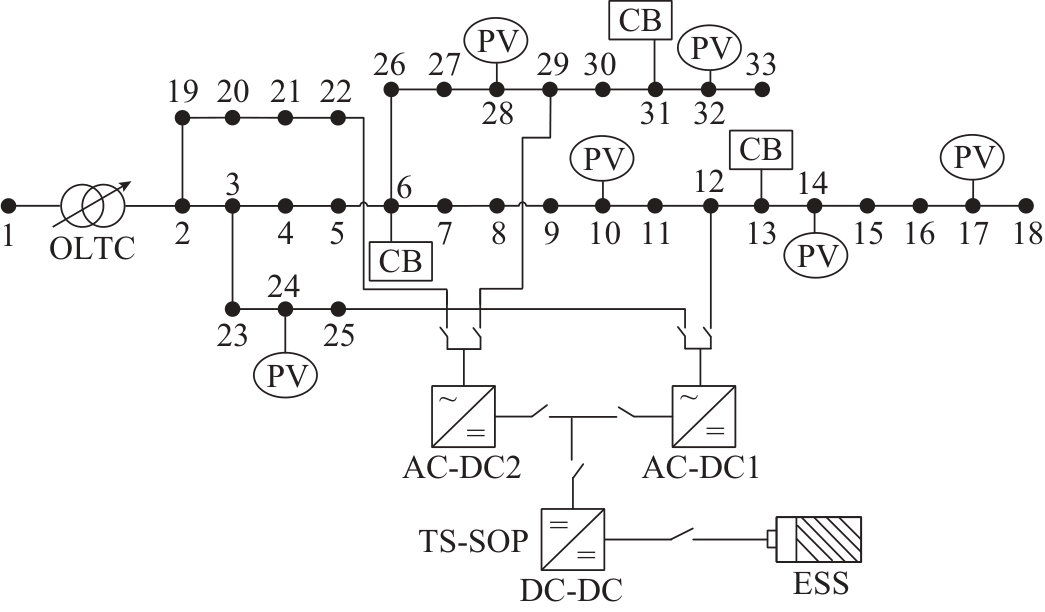
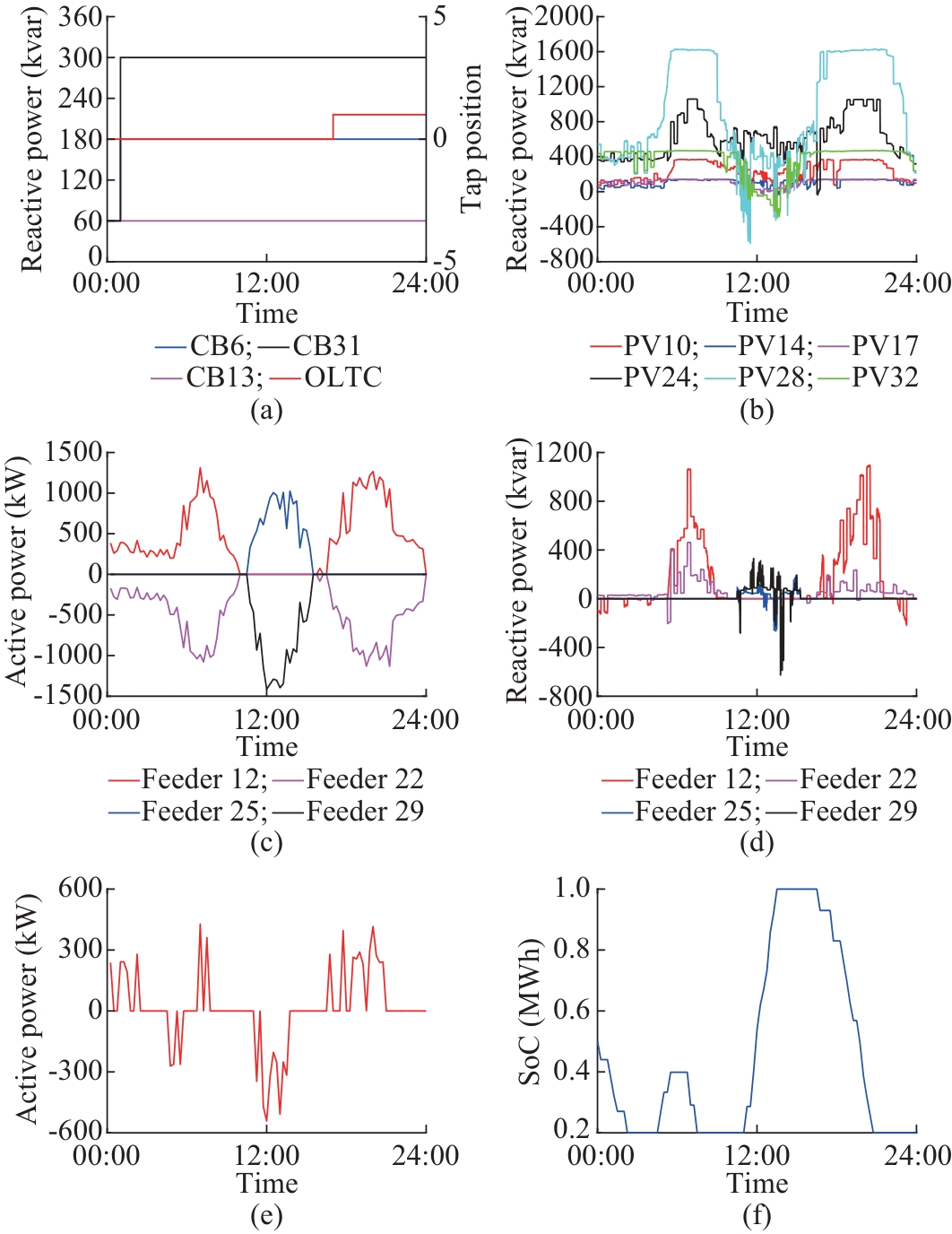
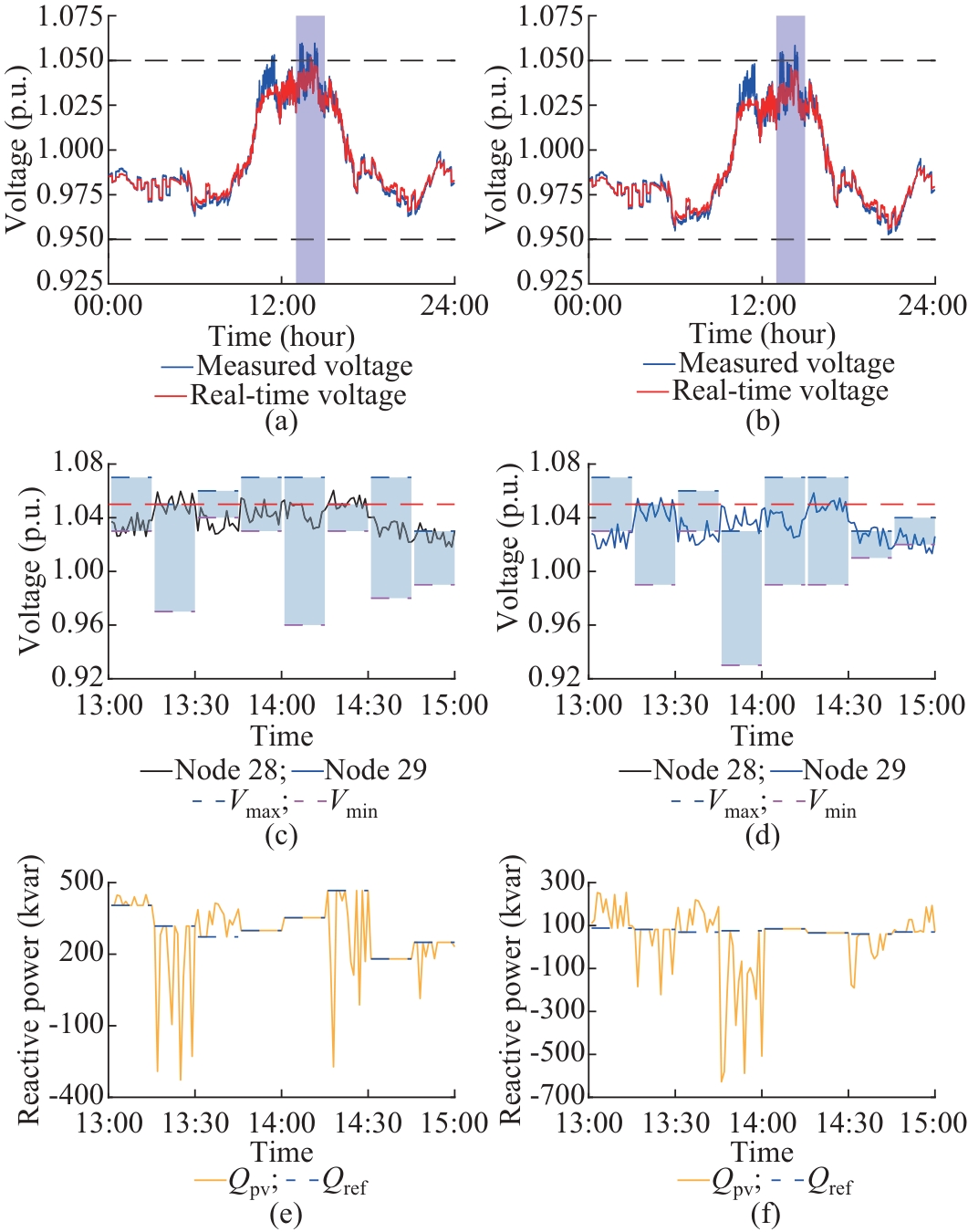
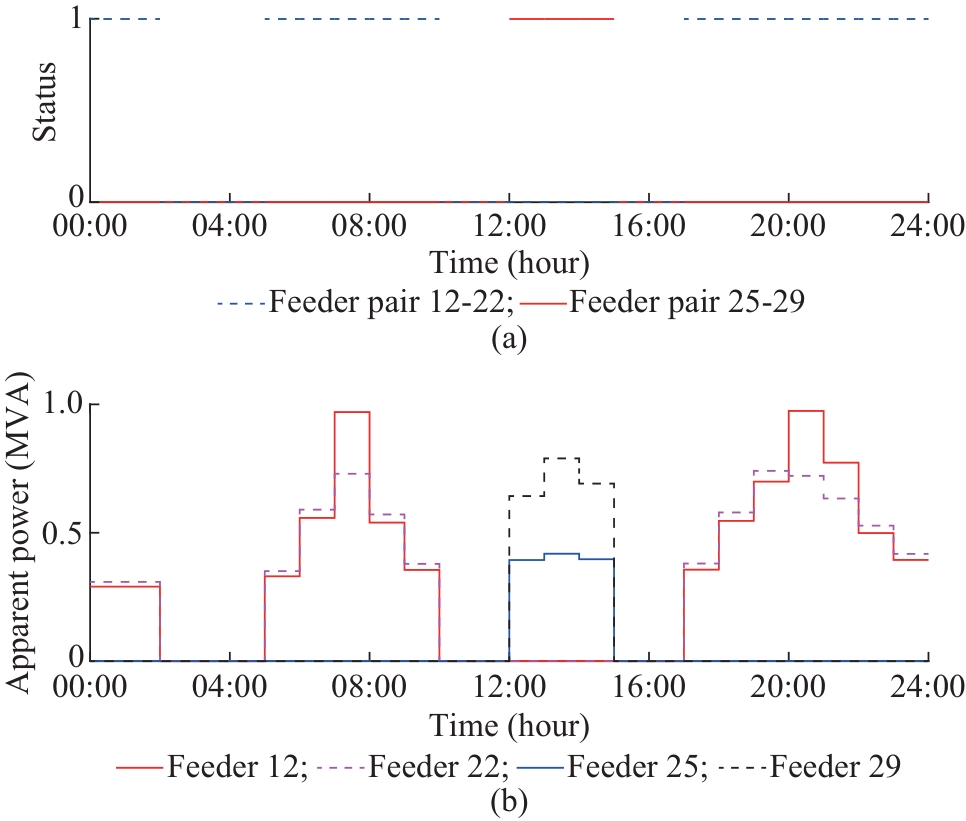
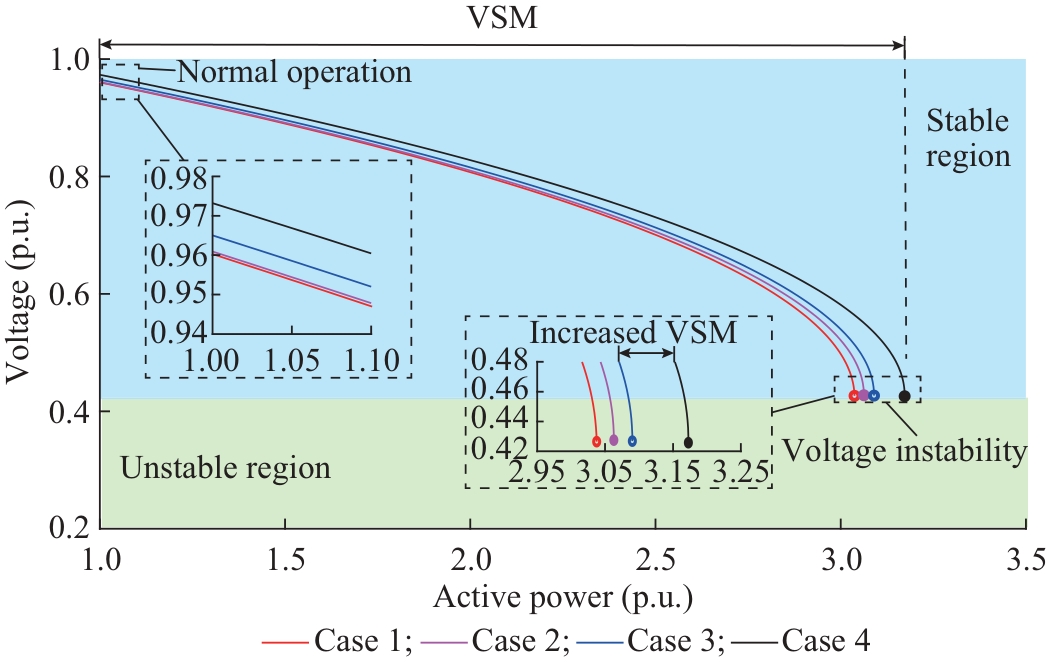
The large-scale integration of photovoltaic (PV) generation poses serious challenges of voltage violations and instability risks to active distribution networks (ADNs). To address these issues, this paper proposes a topology-switching soft open point (TS-SOP) assisted real-time cooperative operation framework of ADNs. The proposed framework ensures voltage stability by explicitly incorporating voltage stability margin (VSM) constraints. A TS-SOP model is developed that enhances power flow controllability and reduces standby losses through switchable feeder interconnections and flexible converter operating modes. The proposed framework coordinates day-ahead pre-dispatch, intra-day dynamic correction, and real-time voltage regulation, featuring a two-stage volt/var control. The first stage employs model predictive control to mitigate PV-driven fluctuations, while the second stage embeds VSM constraints into droop curve parameter optimization, ensuring that local droop control actions respect the system stability limits. Simulations on a modified IEEE 33-node system demonstrates that, compared with conventional fixed-topology SOP and droop-only schemes, the proposed framework not only reduces network losses and voltage violations, but also ensures VSM compliance, effectively coordinating fast voltage regulation with system-wide stability while improving the operating economy.
- 1
- 2
- 3
- 4
- 5
- 6
- 7
- 8
- 9
-
Yuanshi Zhang, Qirui Chen, Haizhou Liu, Qinran Hu, Bingxu Zhai
2026,14(5):1806-1819, DOI: 10.35833/MPCE.2025.000259
Abstract:
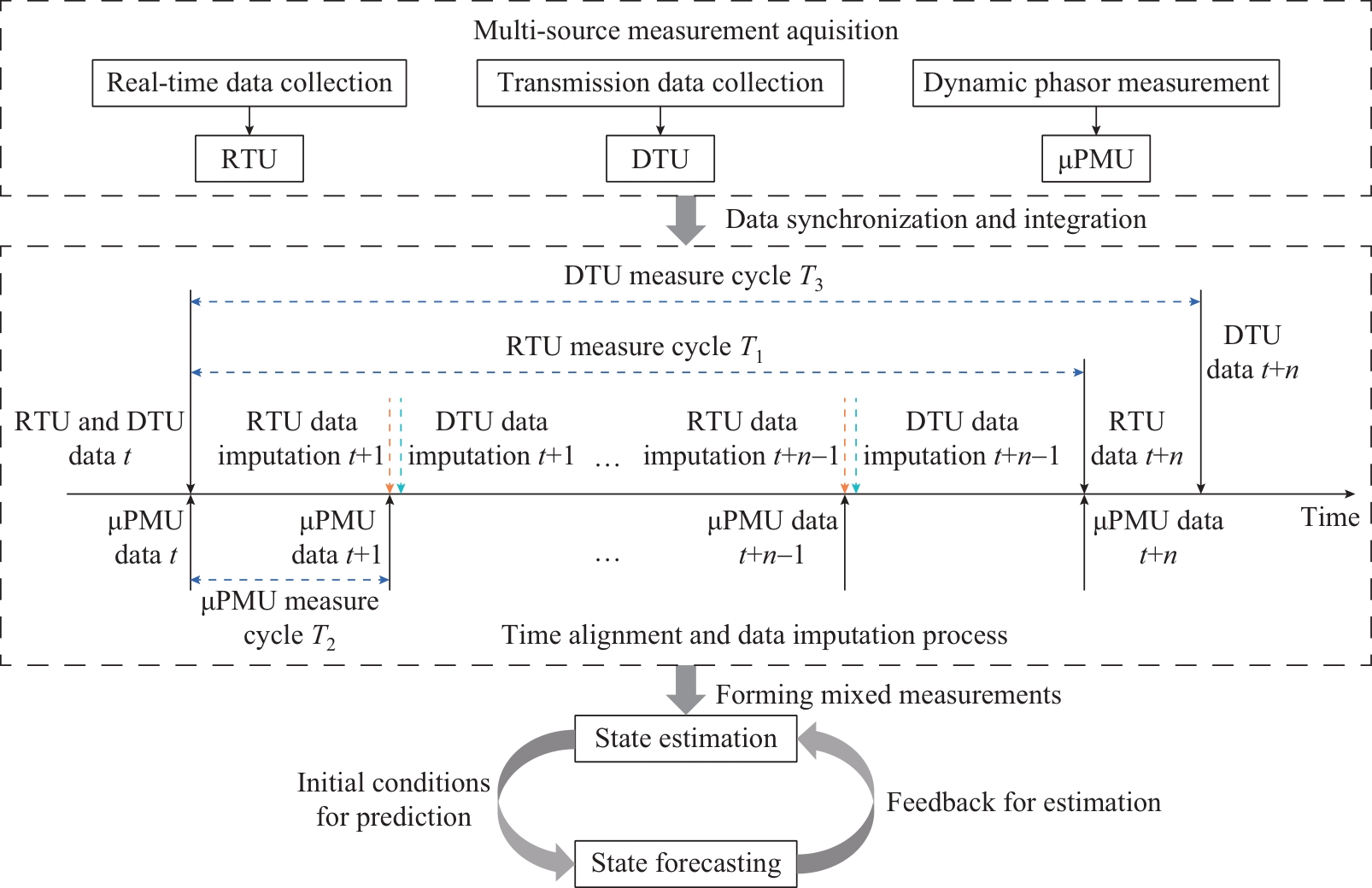
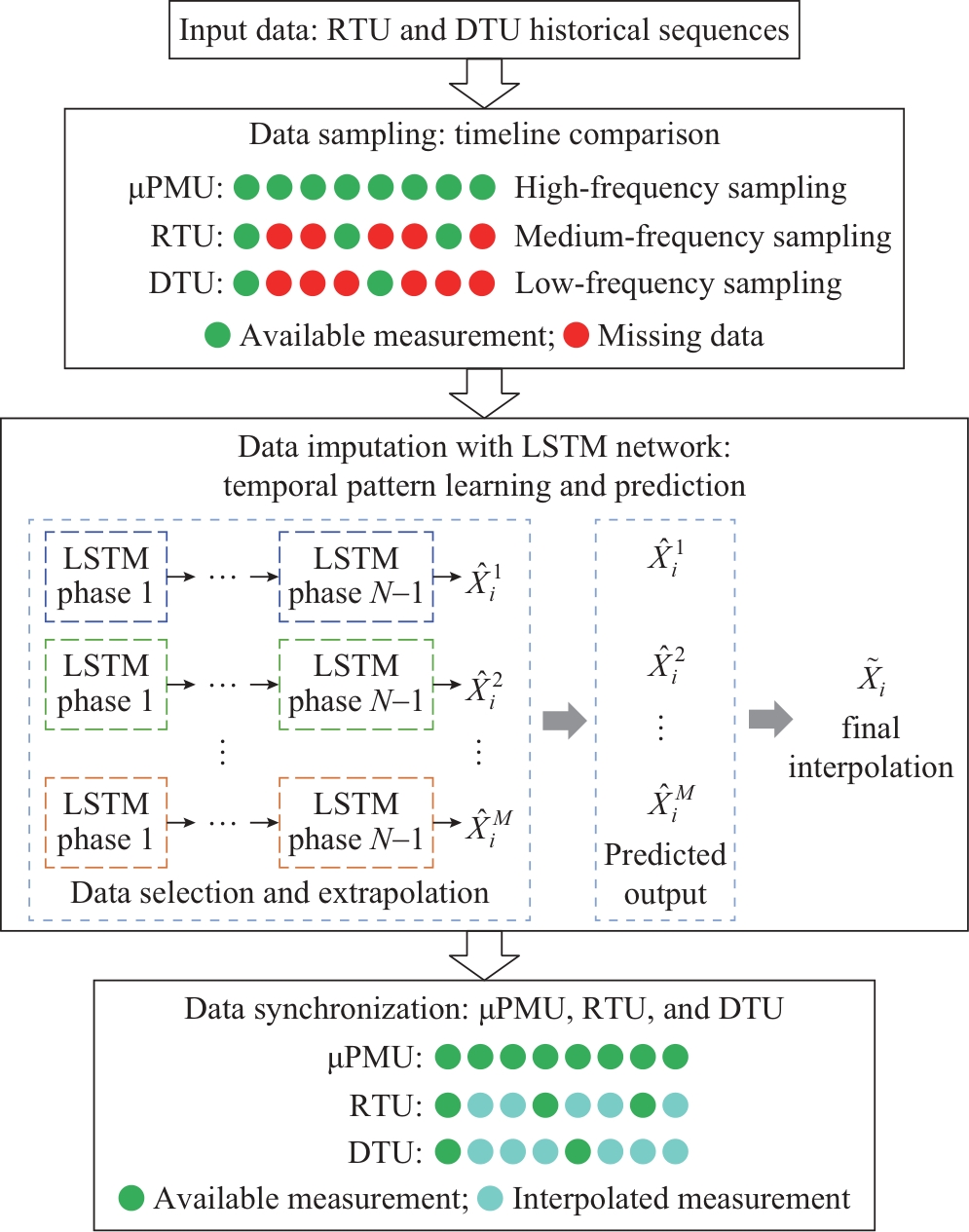
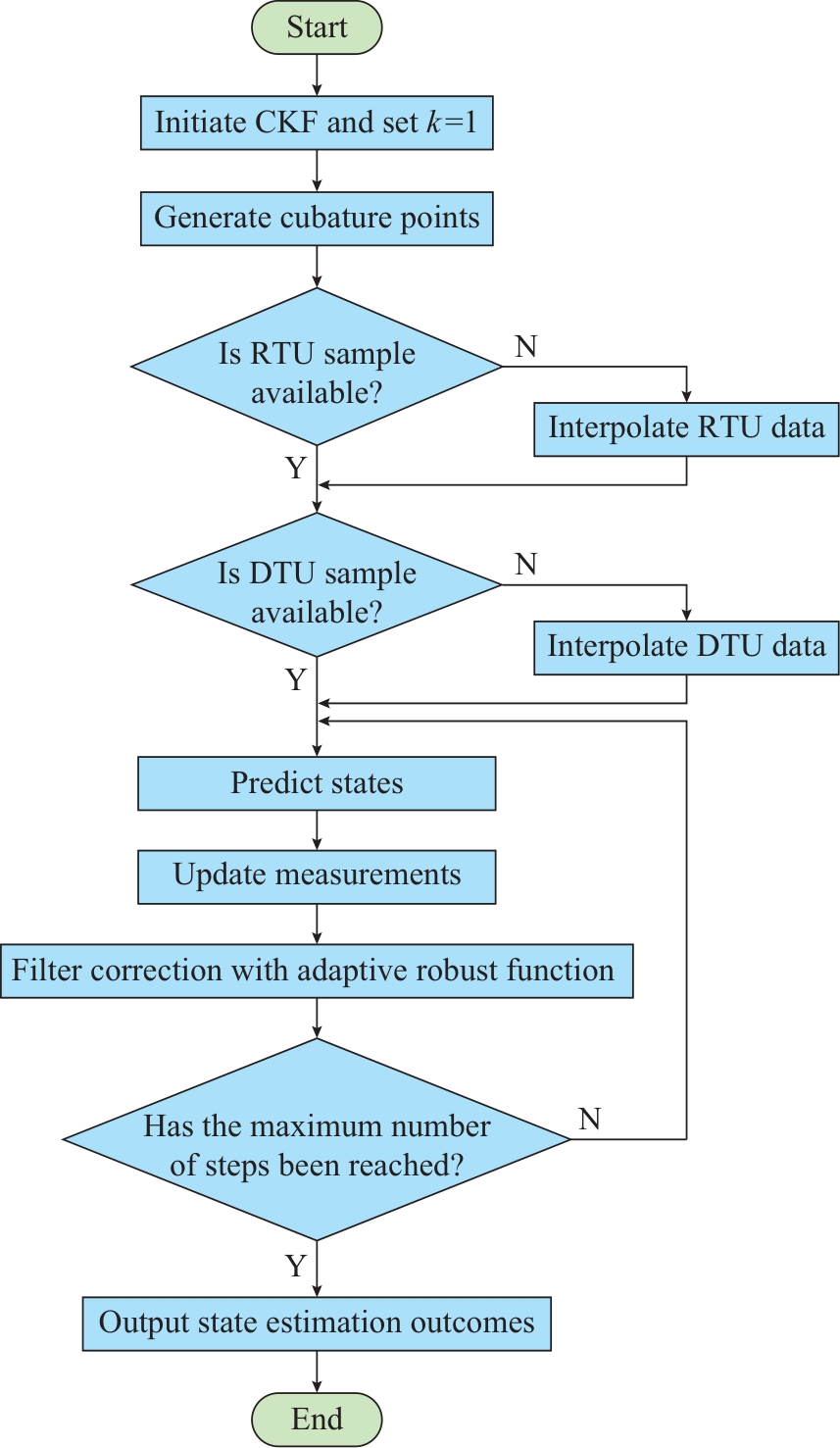
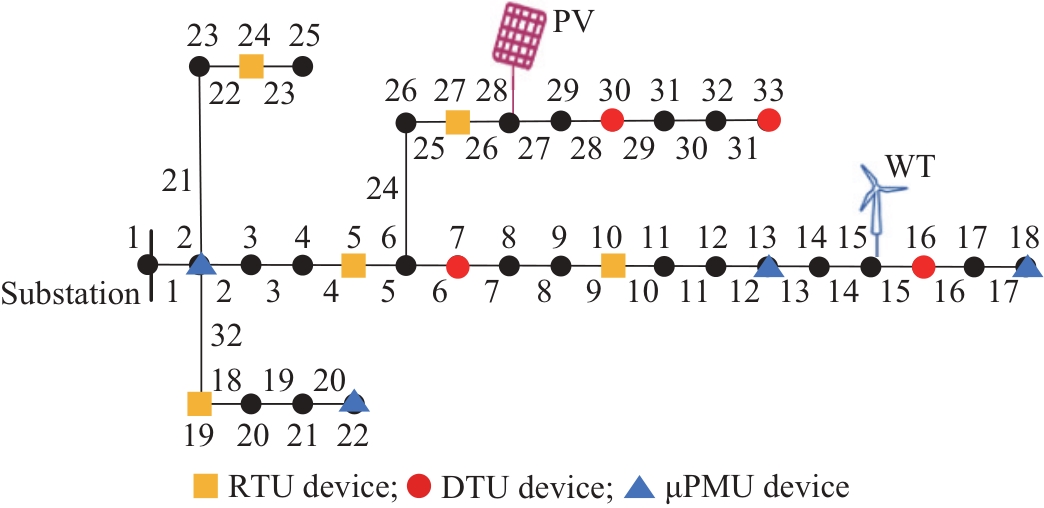
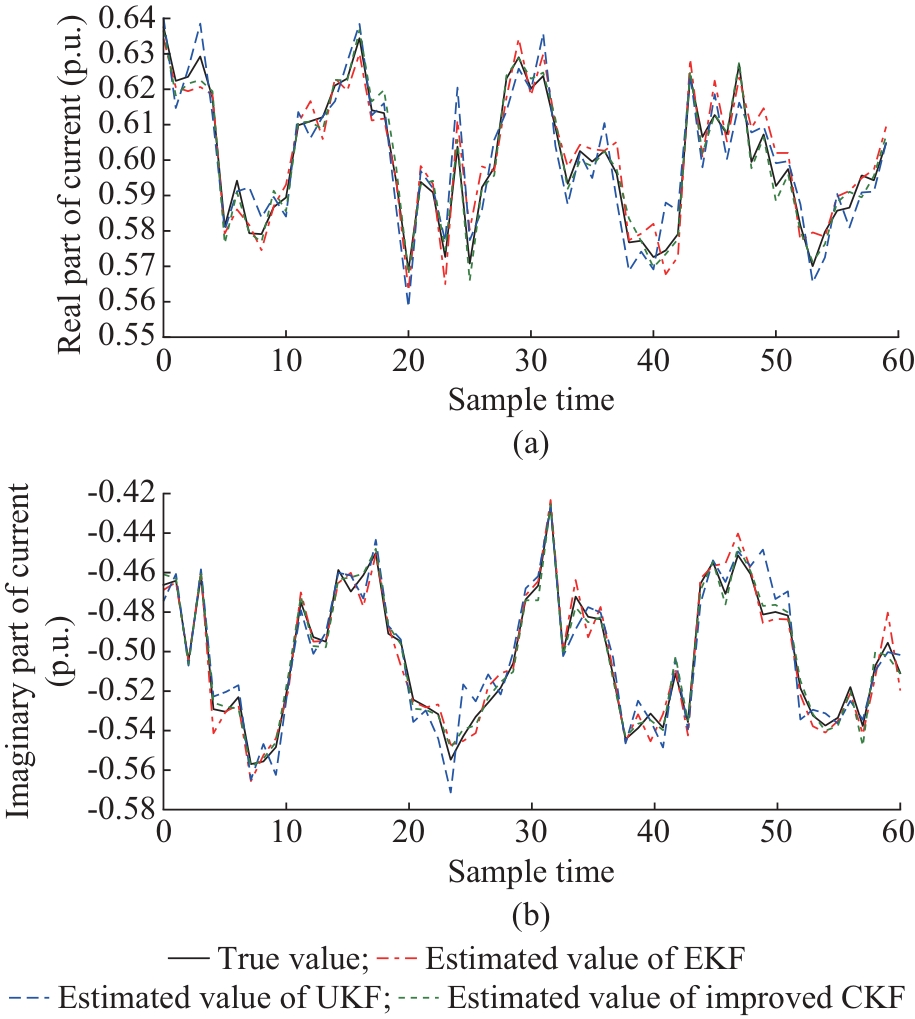
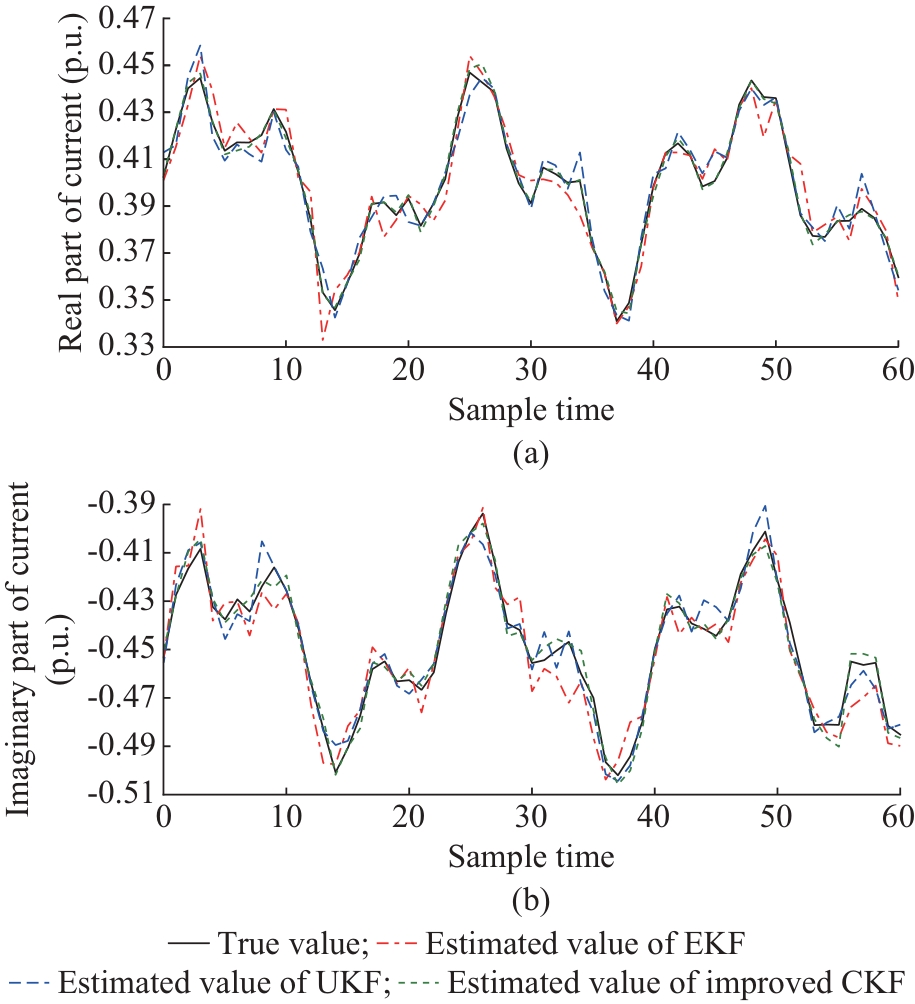
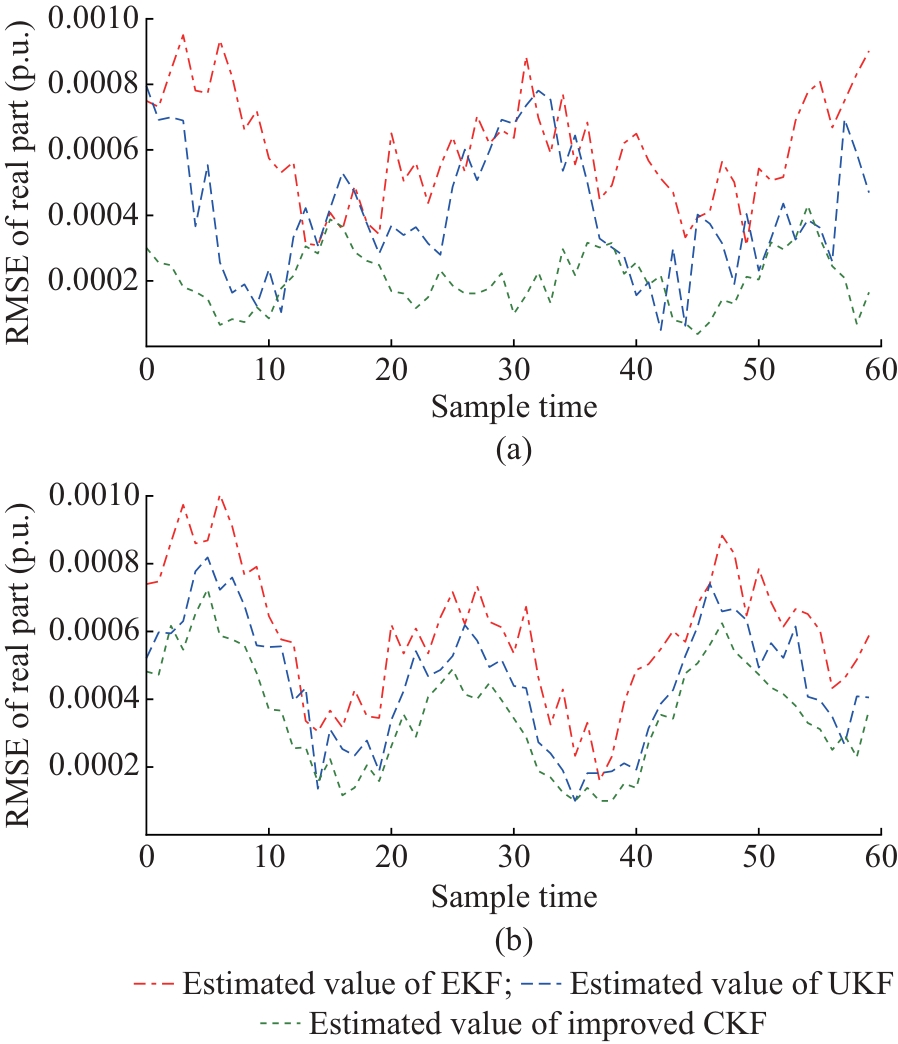
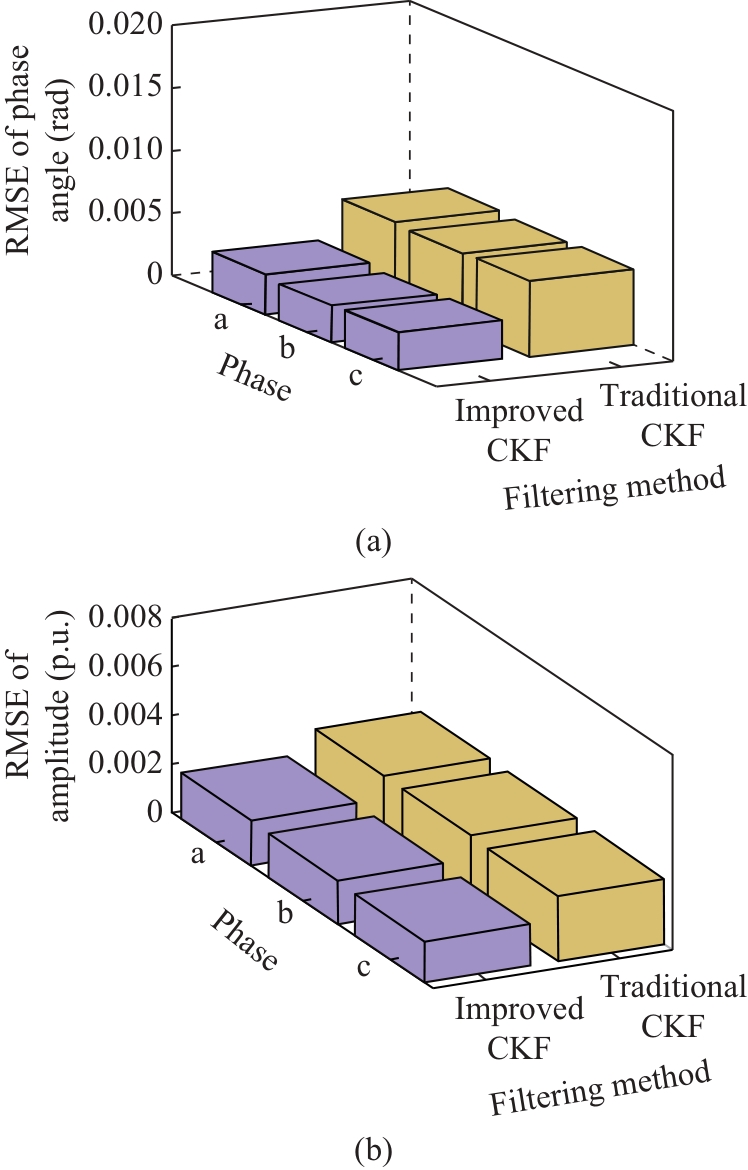
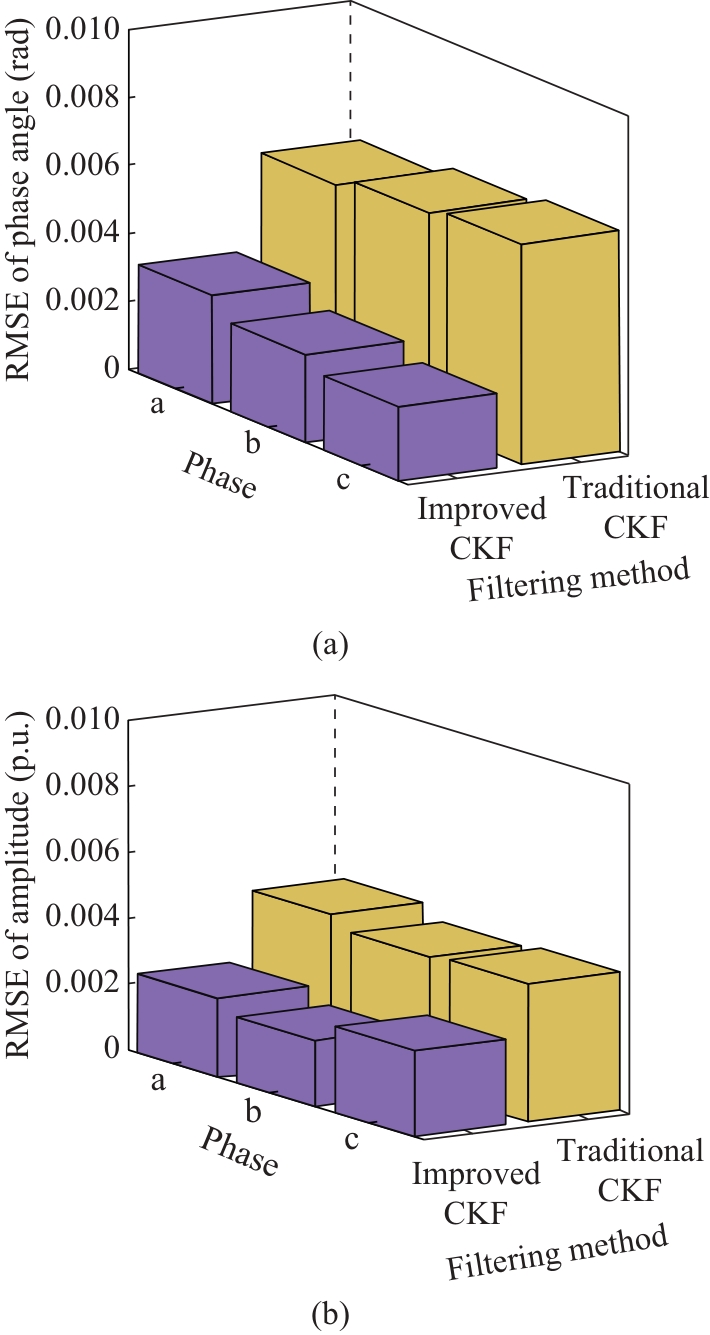
Real-time state estimation underpins advanced applications in distribution networks by revealing system operating conditions with high fidelity. Intelligent measurement terminals increasingly combine heterogeneous measurements, including micro-phasor measurement units (μPMUs), remote terminal units (RTUs), and data transmission units (DTUs). Their complementary strengths can overcome traditional limits in time resolution and accuracy. However, heterogeneous formats, asynchronous updates, and complex temporal dynamics challenge conventional estimators. This paper proposes a unified real-time forecasting-aided state estimation (FASE) framework for distribution networks with multi-source measurement data fusion that fuses μPMU, RTU, and DTU data. A long short-term memory (LSTM)-based data imputation method is designed to effectively align delayed RTU and DTU updates with μPMU sampling, markedly reducing imputation errors versus linear and historical-average baselines. Unified measurement equations are formulated for all devices. An improved cubature Kalman filter (CKF) with adaptive robust weighting is adopted to enhance numerical stability and outlier resilience. To capture multimodal operating regimes driven by variable distributed energy resources, a Gaussian mixture model (GMM)-based approach is integrated into the distribution network state transition. Validated on the IEEE 33-bus and 118-bus systems, the proposed FASE framework achieves higher estimation accuracy and computational efficiency than extended Kalman filter (EKF), unscented Kalman filter (UKF) and traditional CKF while meeting real-time constraints.
- 1
- 2
- 3
- 4
- 5
- 6
- 7
- 8
- 9
- 10
- 11
- 12
- 13
-
Min-Seung Ko, Seonghan Kim, Jae-Kyeong Kim, Taesik Nam, Hao Zhu, Kyeon Hur
2026,14(5):1820-1832, DOI: 10.35833/MPCE.2025.000644
Abstract:
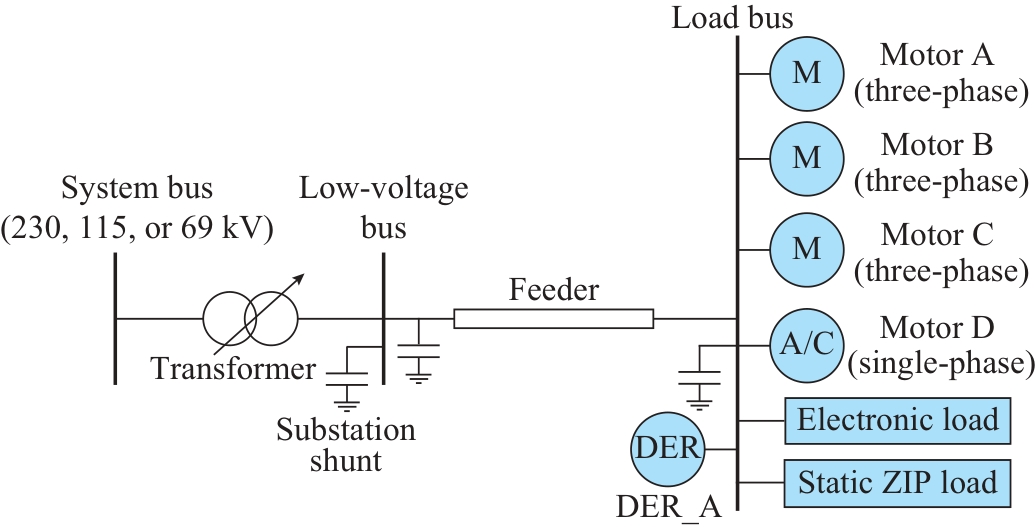
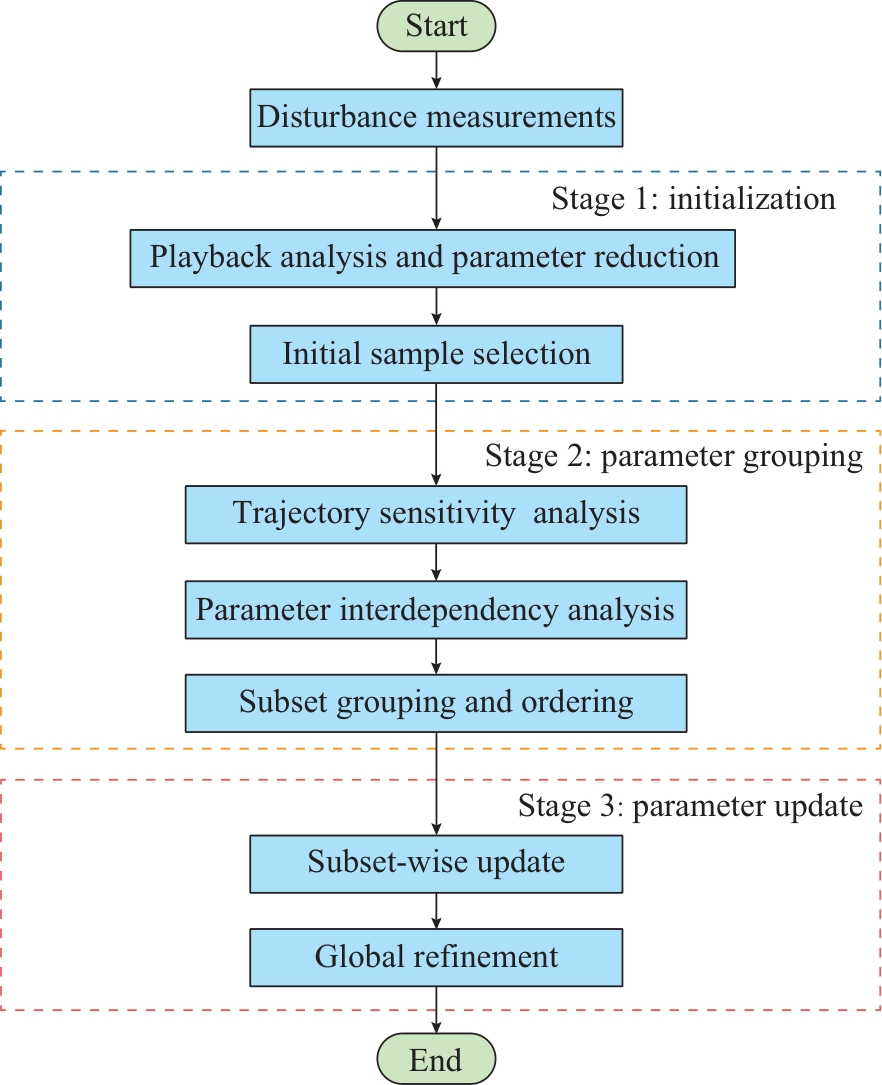
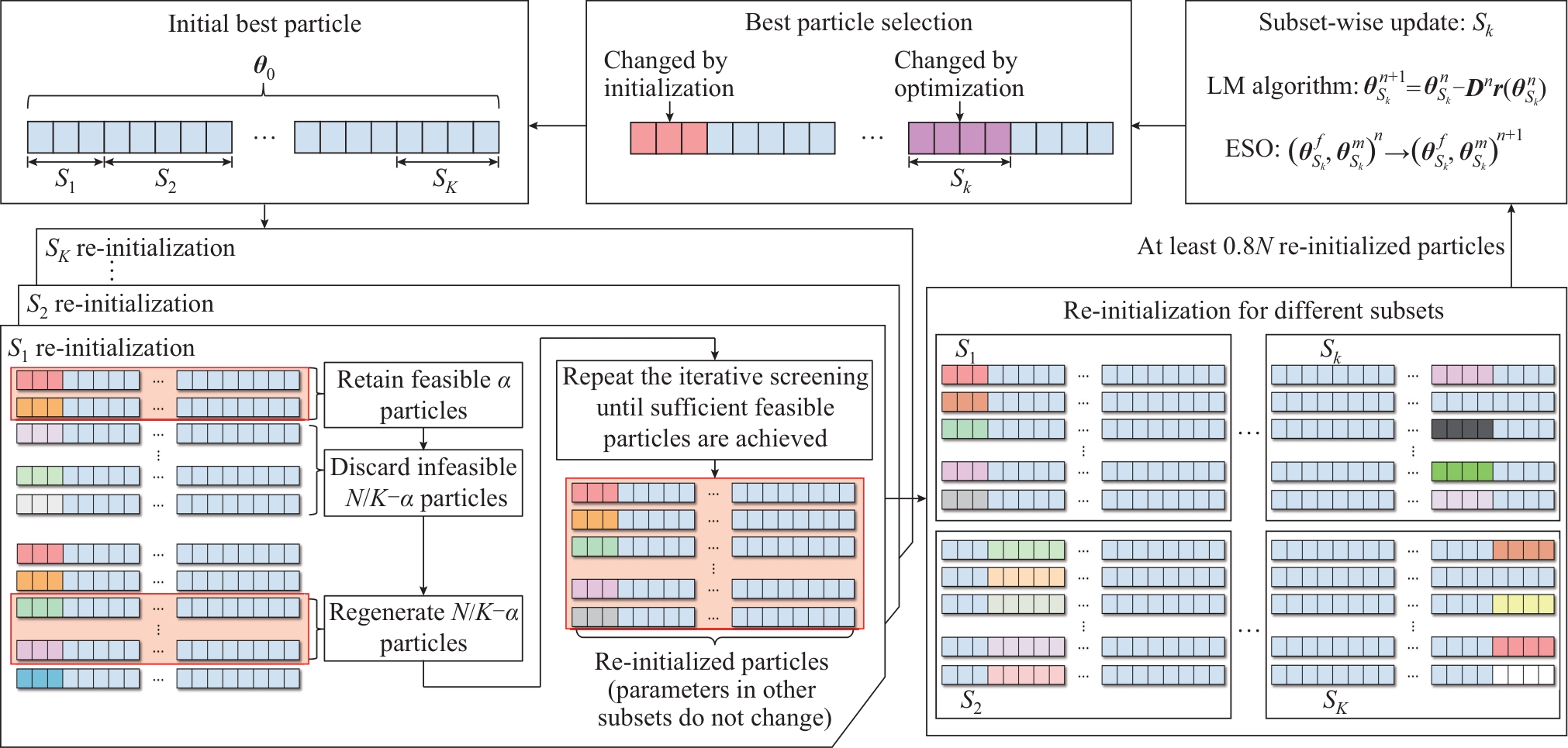
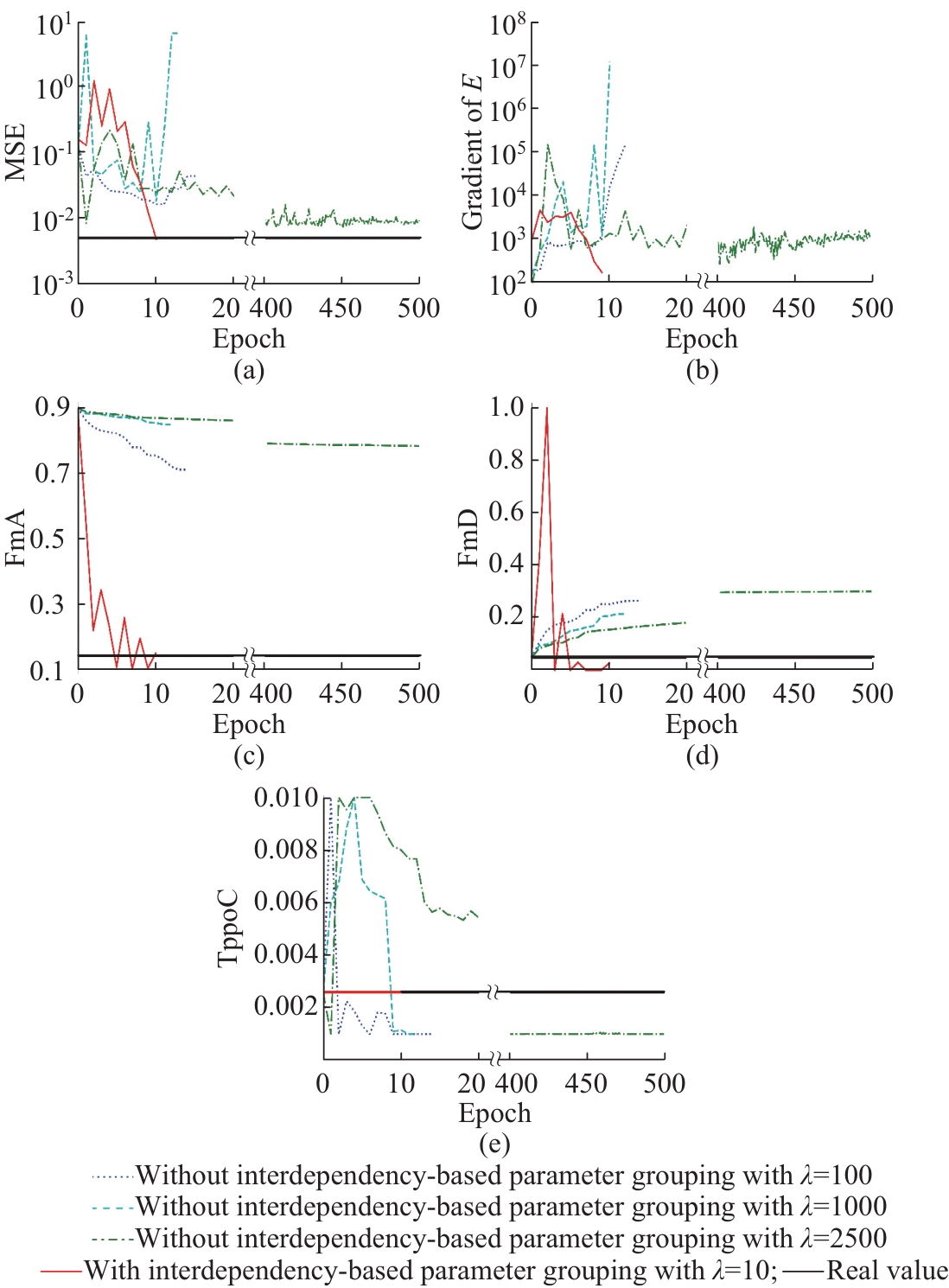
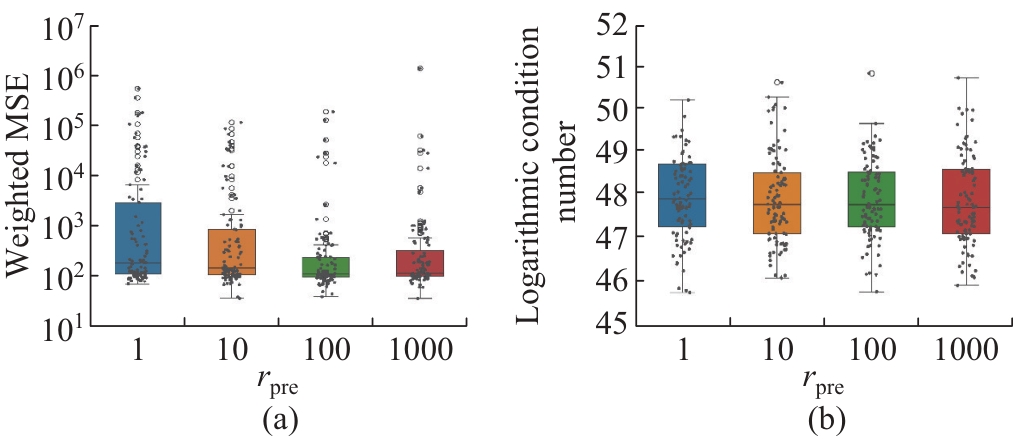
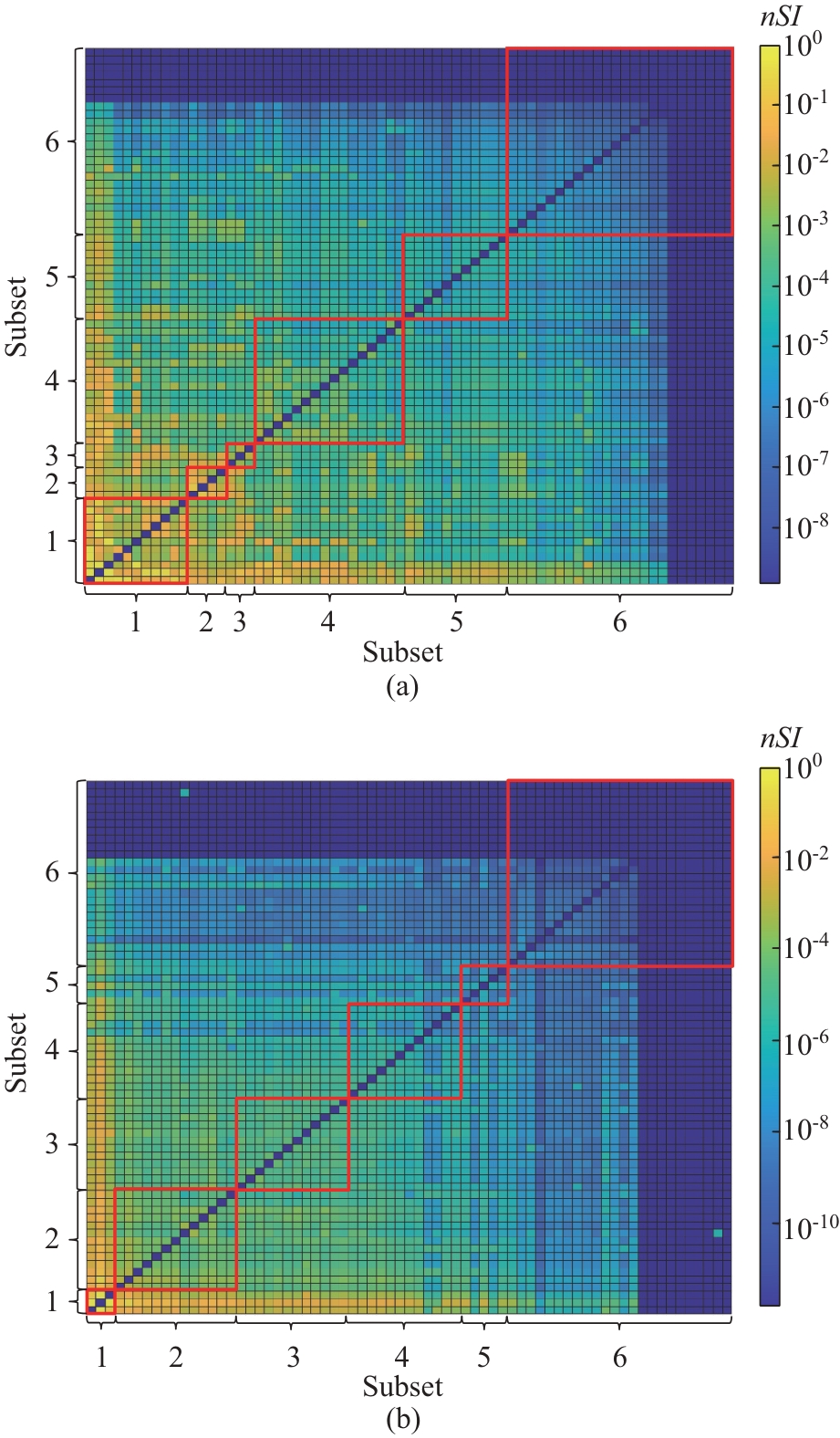
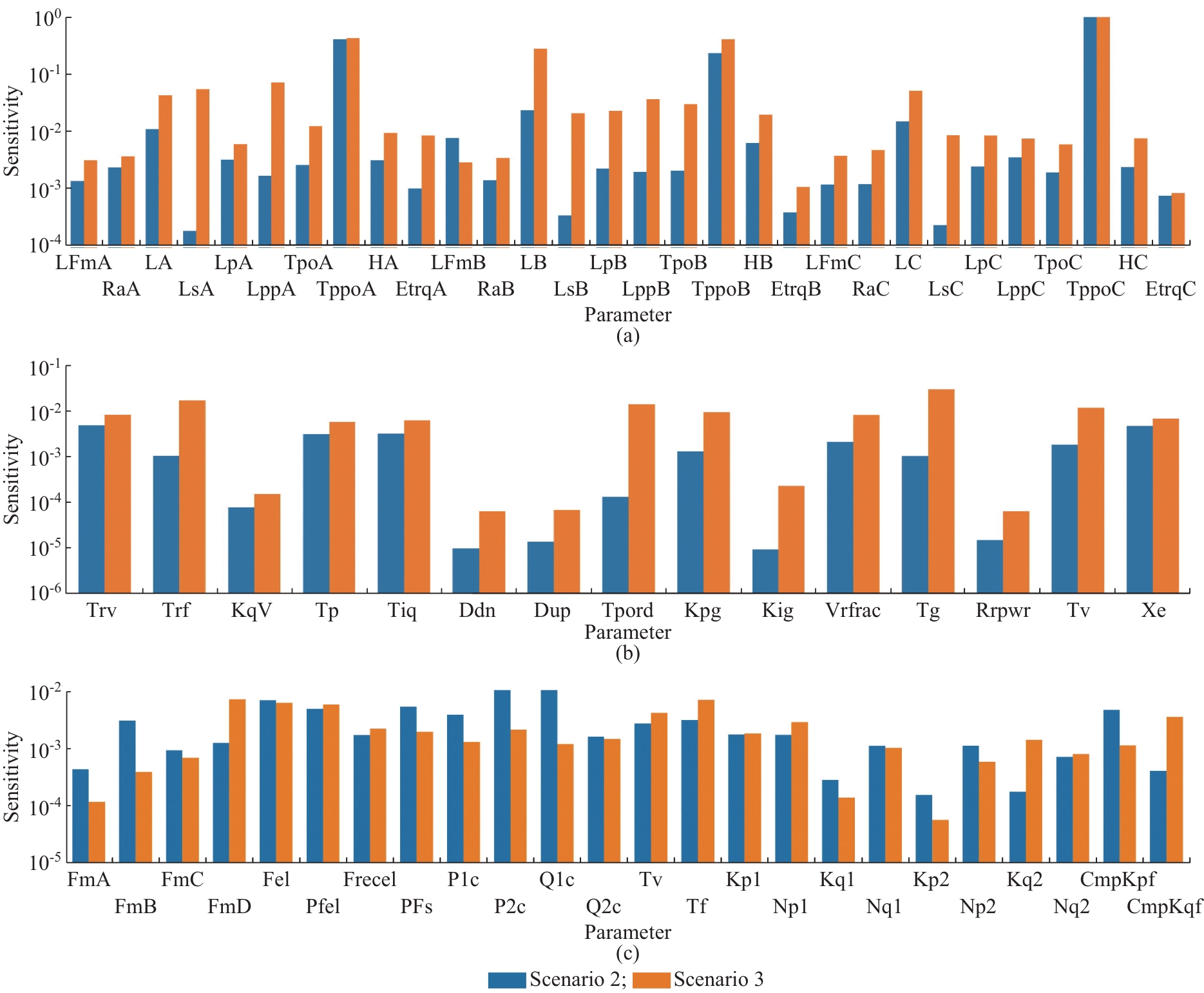
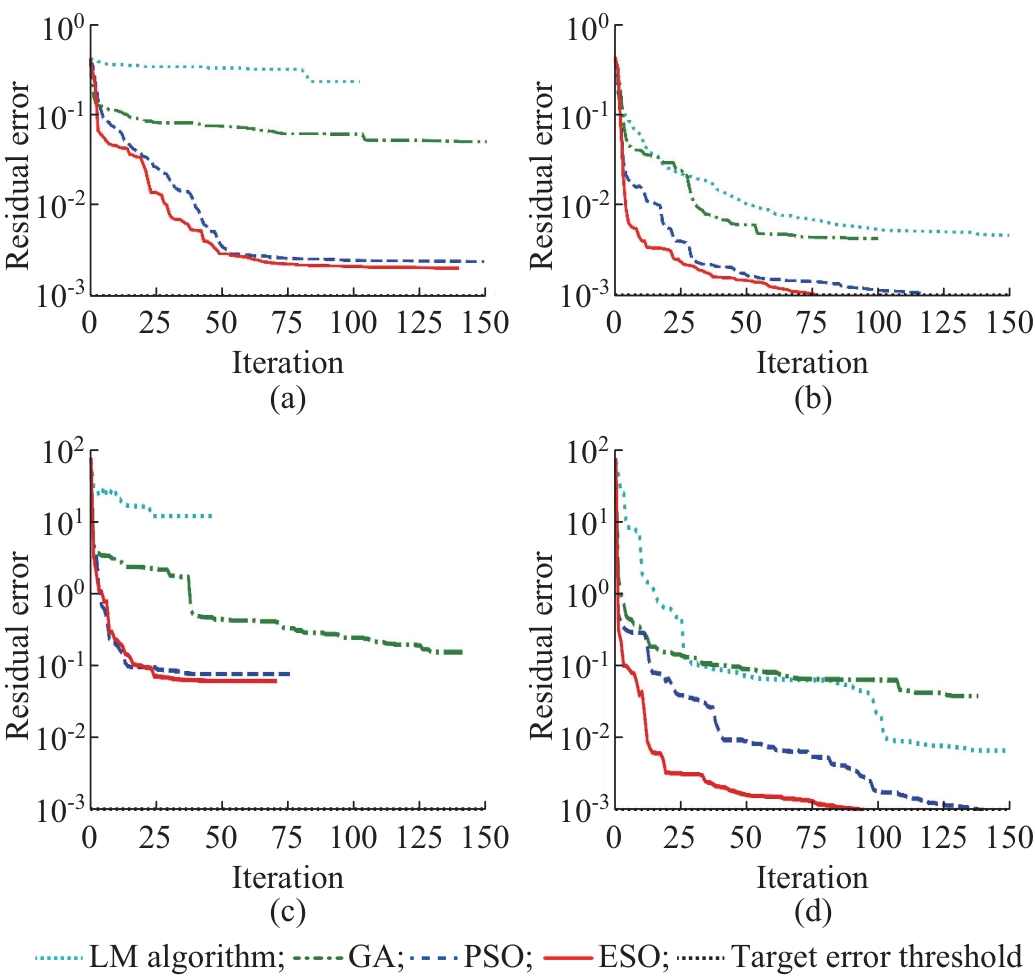
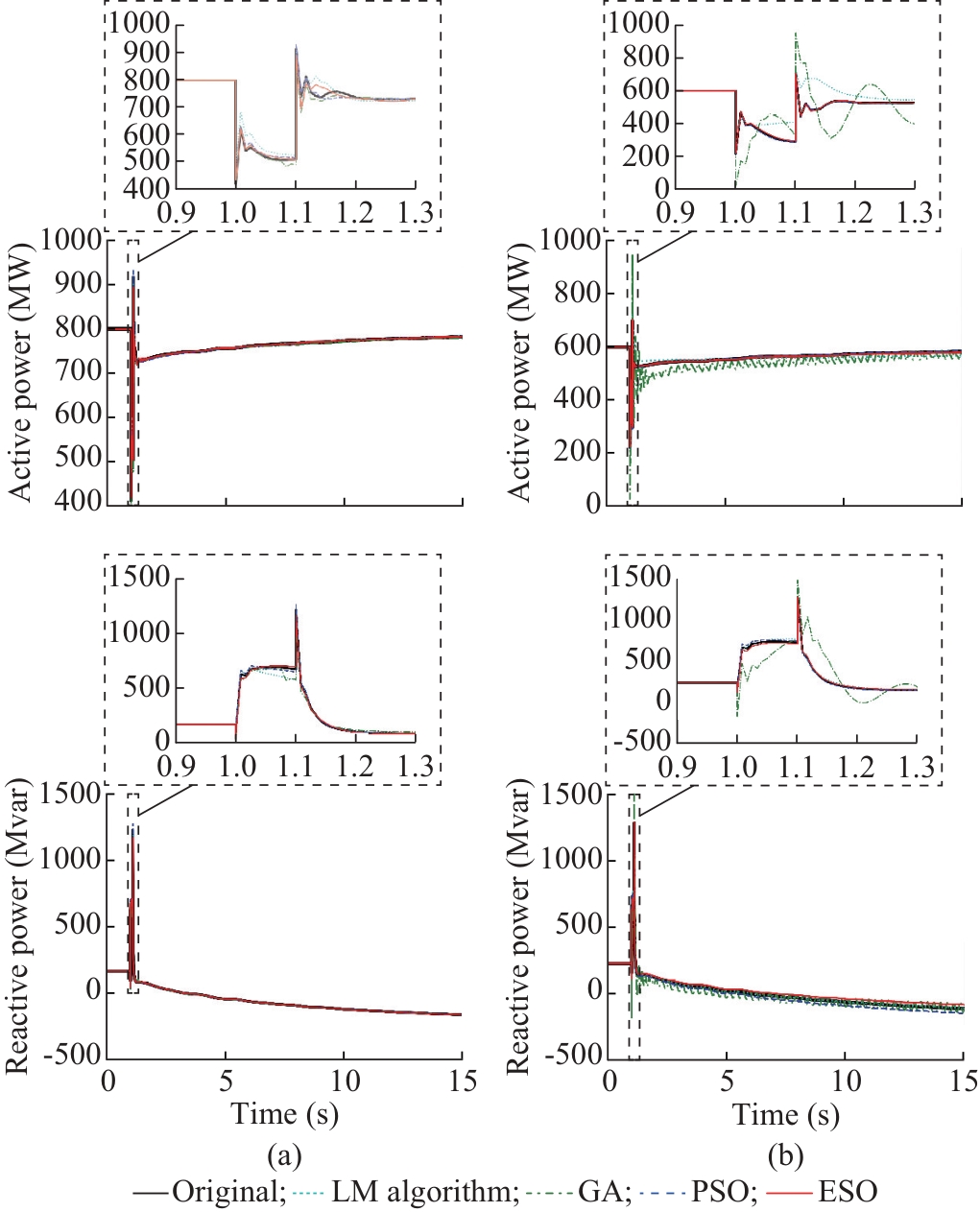
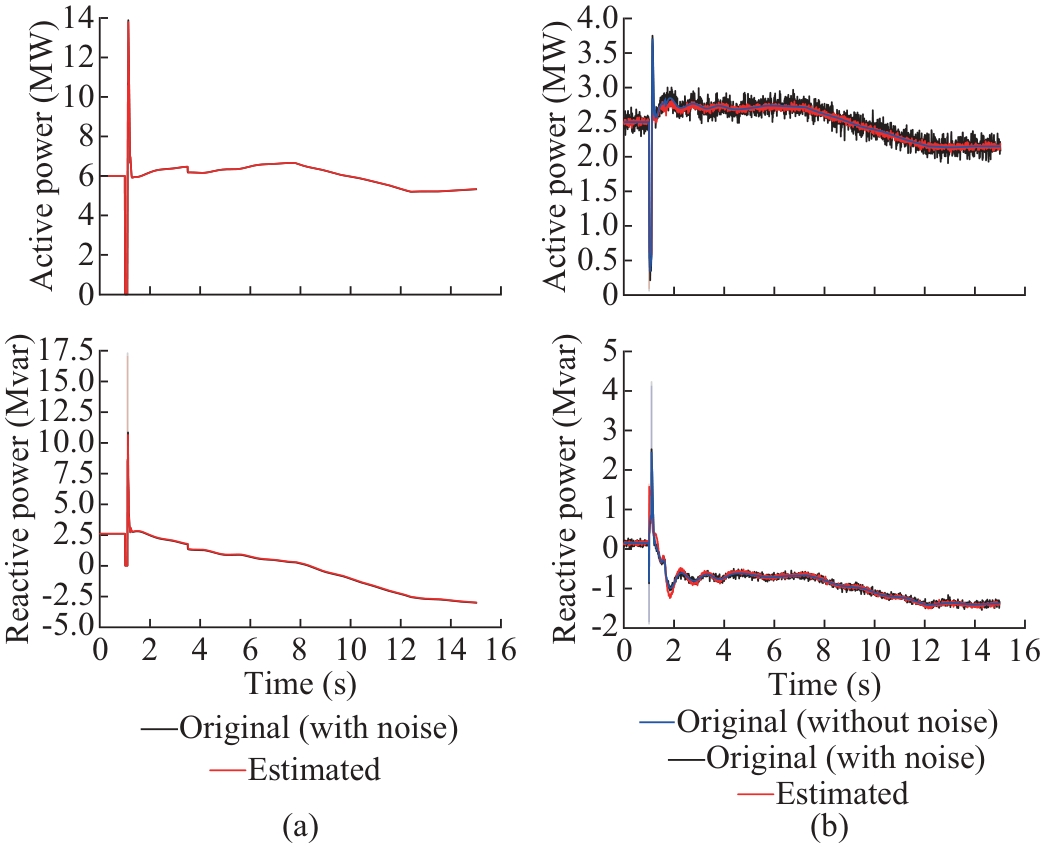
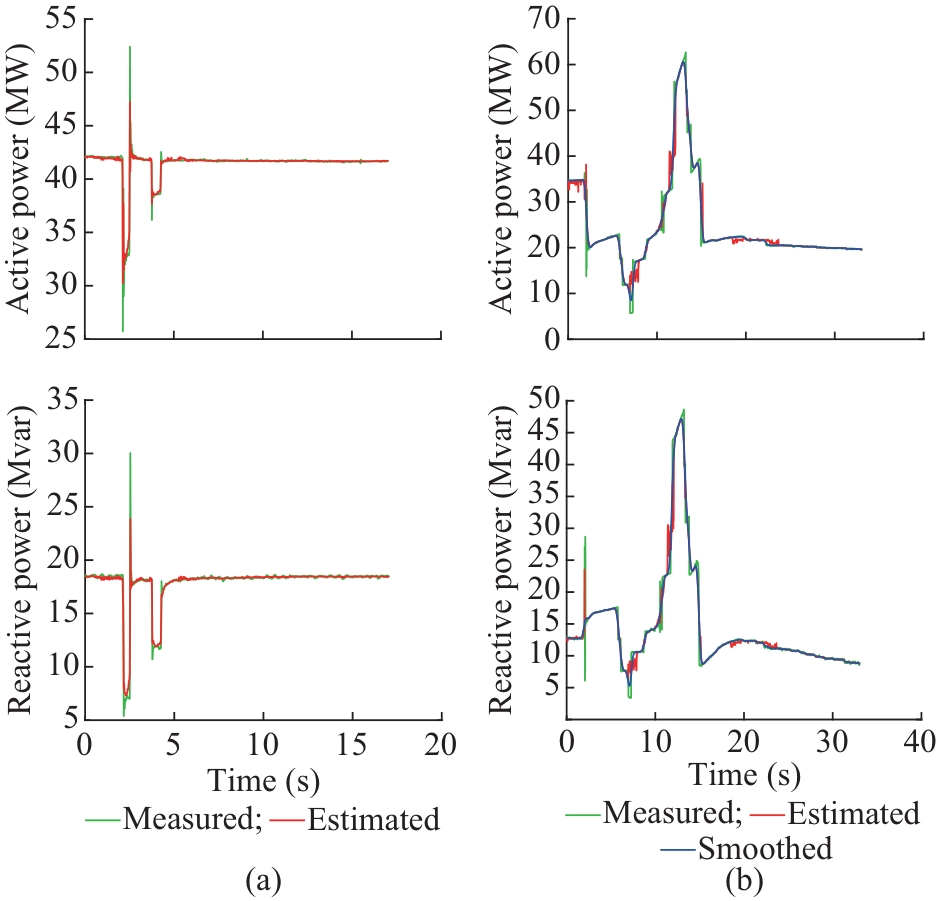
This paper proposes a structure-inspired parameter estimation method for the composite load model with distributed generation (CMPLDWG) developed by Western Electricity Coordinating Council (WECC). The high dimensionality and strong nonlinearity of this model, due to the aggregated distributed energy resource (DER_A) component, greatly complicate the reliable parameter estimation. We put forth a parameter interdependency analysis to partition the entire parameter space into smaller subsets, thereby decomposing the original high-dimensional estimation problem into multiple tractable subproblems. After applying the interdependency-based parameter grouping, the estimation for each subset is performed using both the Levenberg-Marquardt (LM) algorithm and the enhanced snake optimizer (ESO), demonstrating the solver-agnostic improvements in the convergence stability and estimation accuracy. An initialization strategy is developed to improve the robustness of subsequent optimization. Case studies in the New England 68-bus system confirm that the interdependency-based parameter grouping significantly improves the convergence speed, numerical stability, and estimation accuracy across different disturbance scenarios. The ability of the proposed estimation method is further validated through real-world measurements, and it can be broadly applicable to other modeling problems.
- 1
- 2
- 3
- 4
- 5
- 6
- 7
- 8
- 9
- 10
- 11
- 12
-
Integral Quadratic Constraint Based Framework for Robust Control Synthesis and Analysis in Microgrid
Sharara Rehimi, Hassan Bevrani
2026,14(5):1833-1844, DOI: 10.35833/MPCE.2025.000832
Abstract:
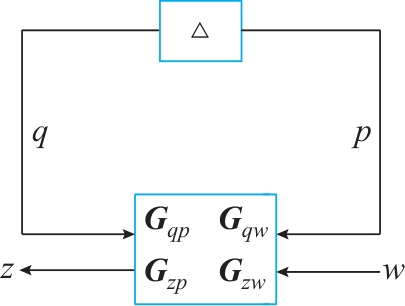
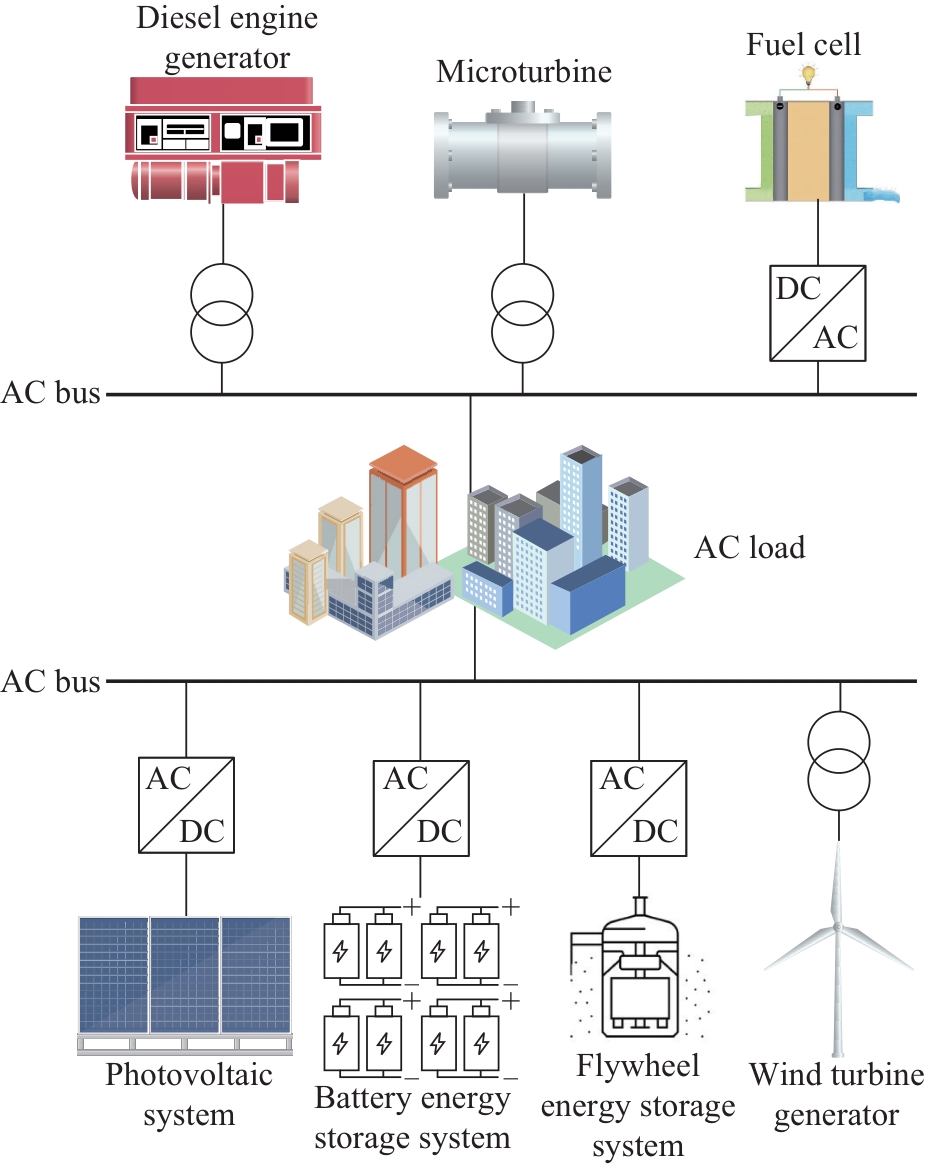
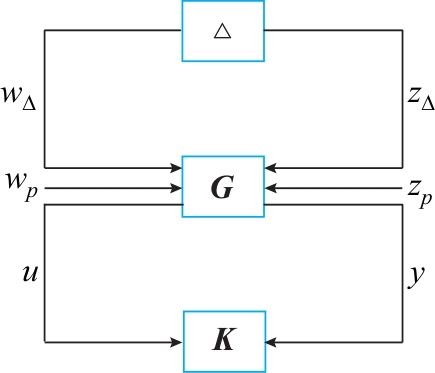
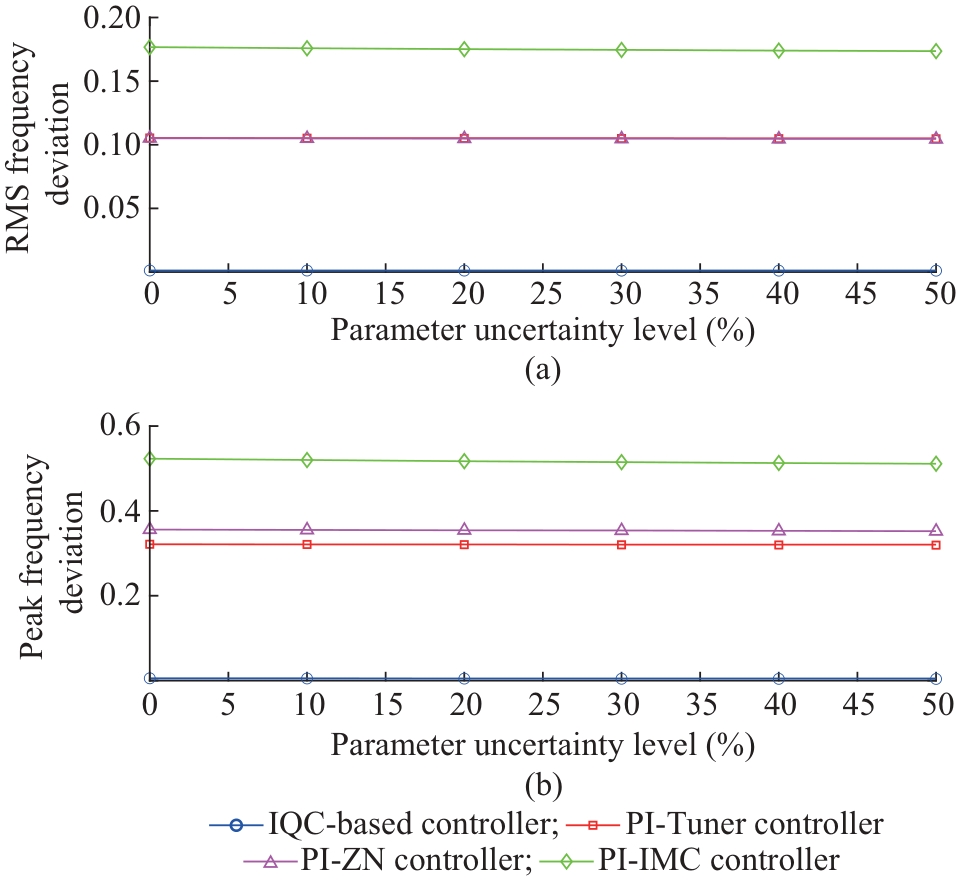
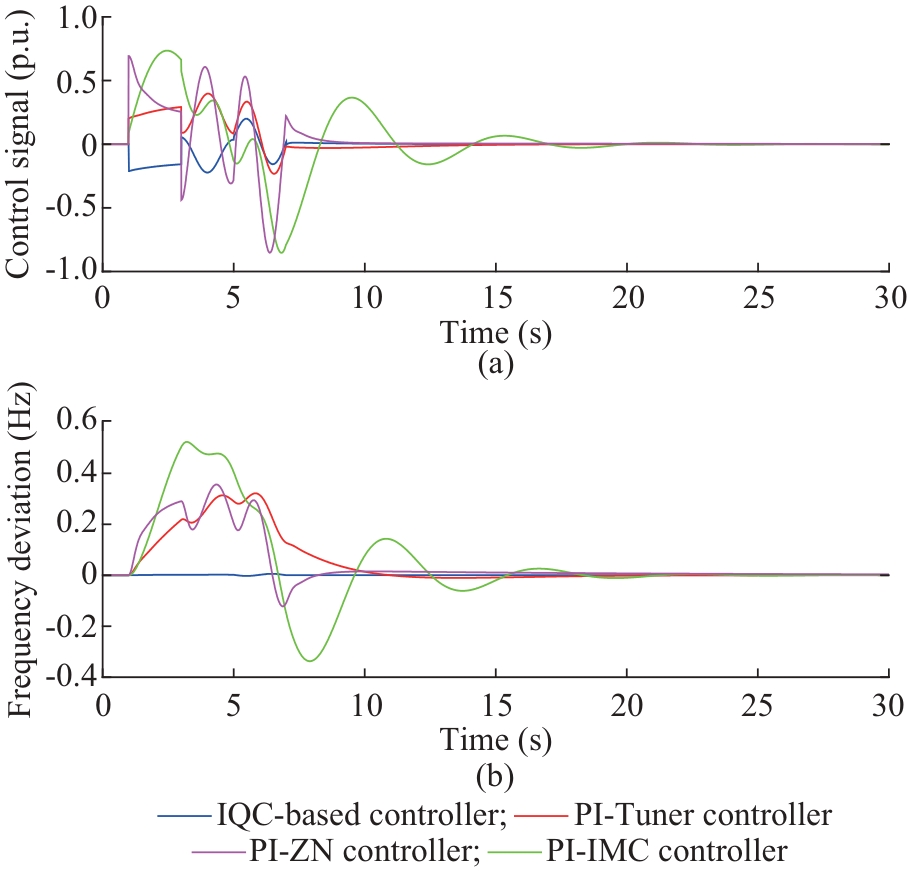
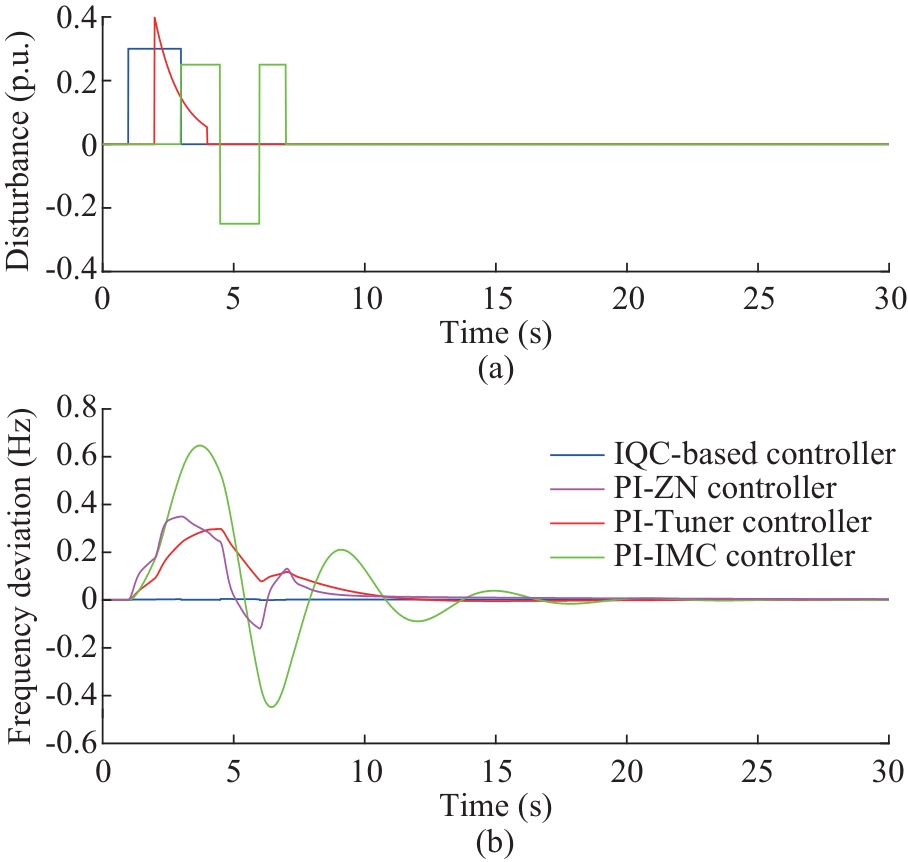
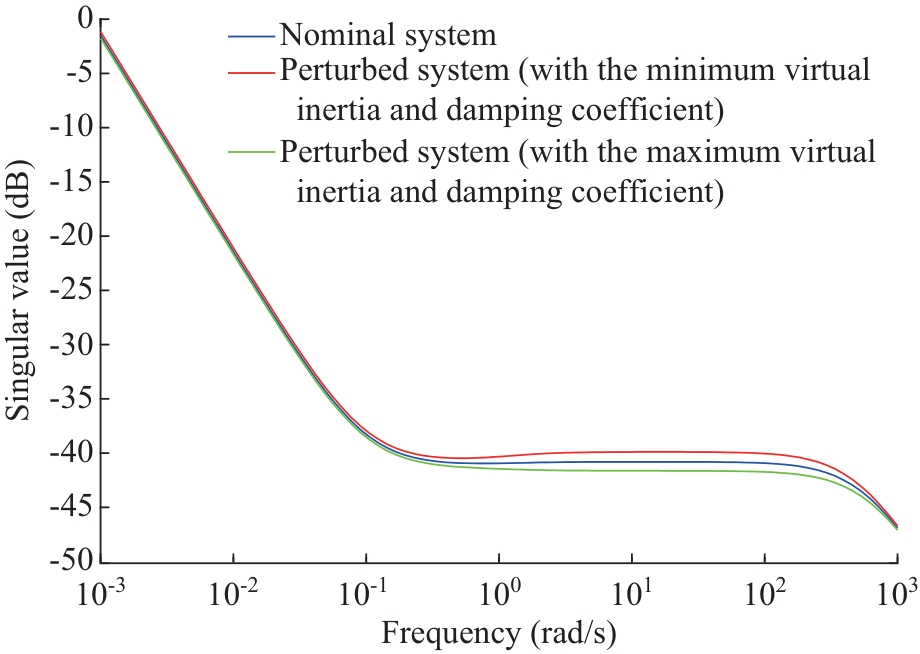
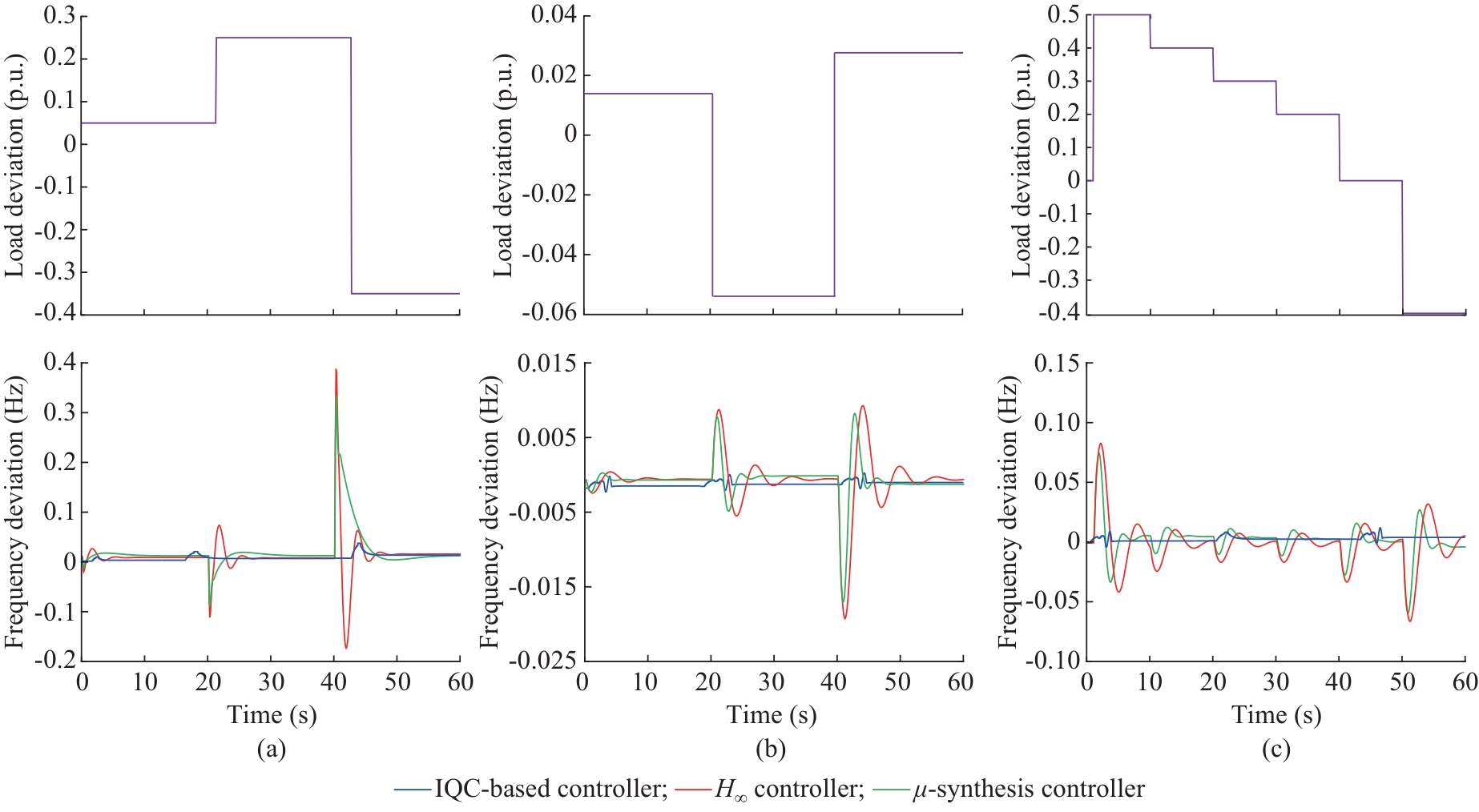
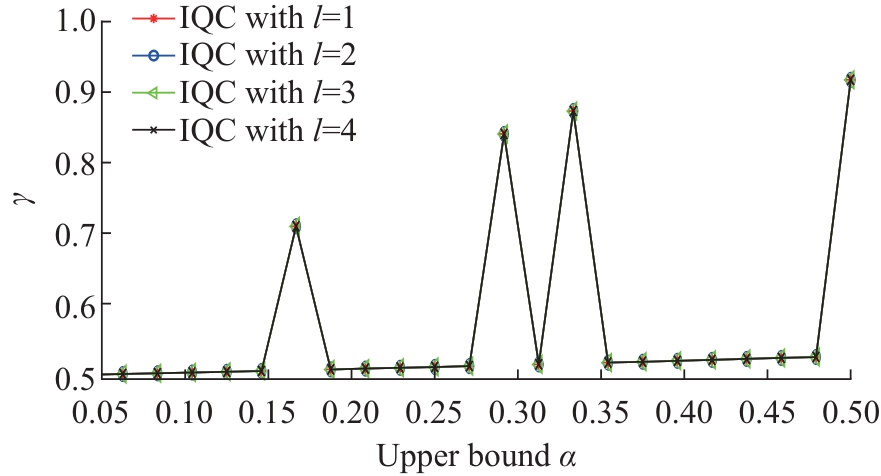
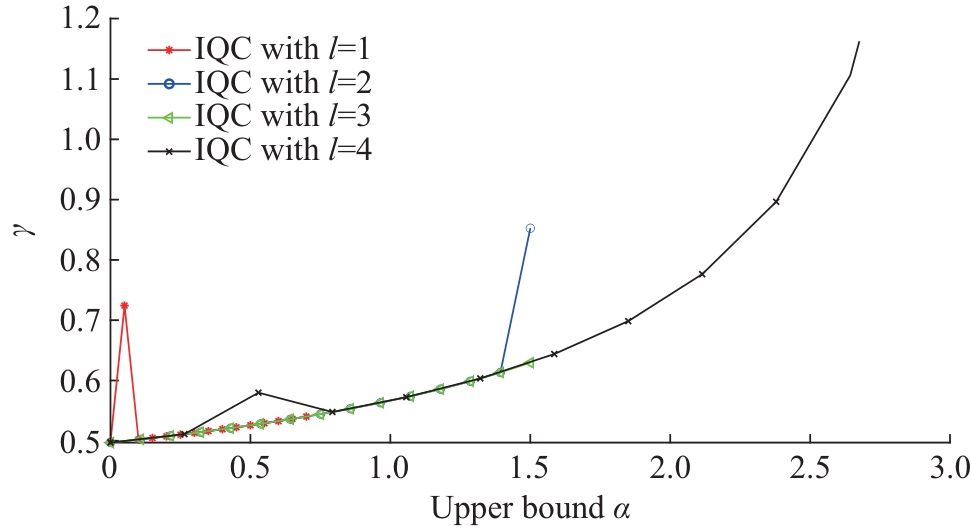
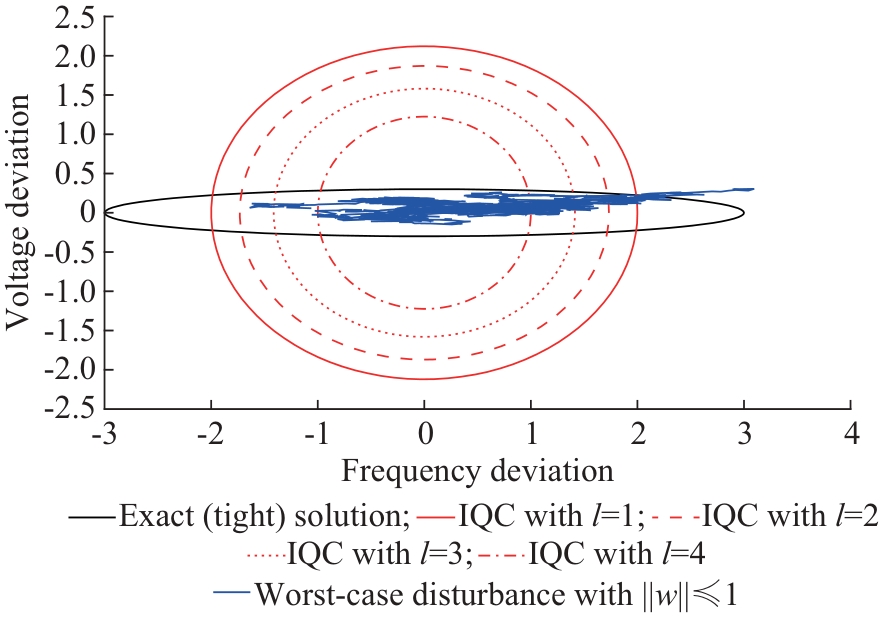
The transition to sustainable energy systems demands robust and reliable control strategies to ensure stability and performance under dynamic and uncertain conditions. This paper presents an integral quadratic constraint (IQC) based framework for robust control synthesis and analysis in a microgrid, with guarantees of robust stability and performance. The IQC theory offers a powerful mathematical framework for analyzing the impact of uncertainties and nonlinearities in energy systems, providing more generalized and flexible tools compared to the widely used structured singular value i.e., μ-synthesis. The application in the microgrid control system synthesis demonstrates the superior performance and robustness of the proposed IQC-based framework in the presence of parameter variations and exogenous disturbances. This paper bridges the gap between advanced control theory and its practical applications in microgrids, offering a new perspective for researchers and stakeholders seeking innovative solutions for the control system design and analysis.
- 1
- 2
- 3
- 4
- 5
- 6
- 7
- 8
- 9
- 10
- 11
- 12
-
Yanxin Wang, Jiajia Chen, Ping Li, Yanlei Zhao, Bingyin Xu
2026,14(5):1845-1856, DOI: 10.35833/MPCE.2025.000822
Abstract:
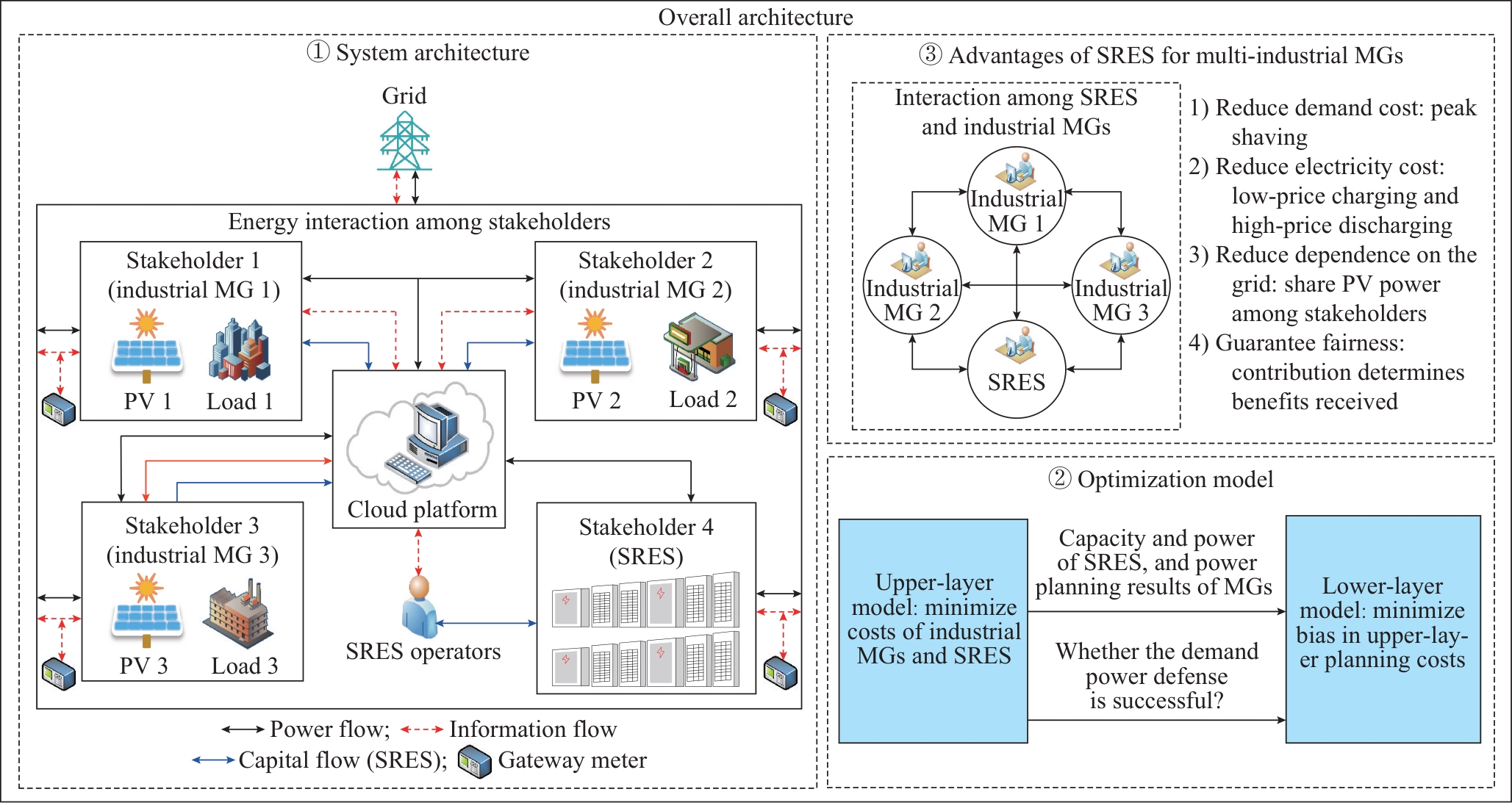
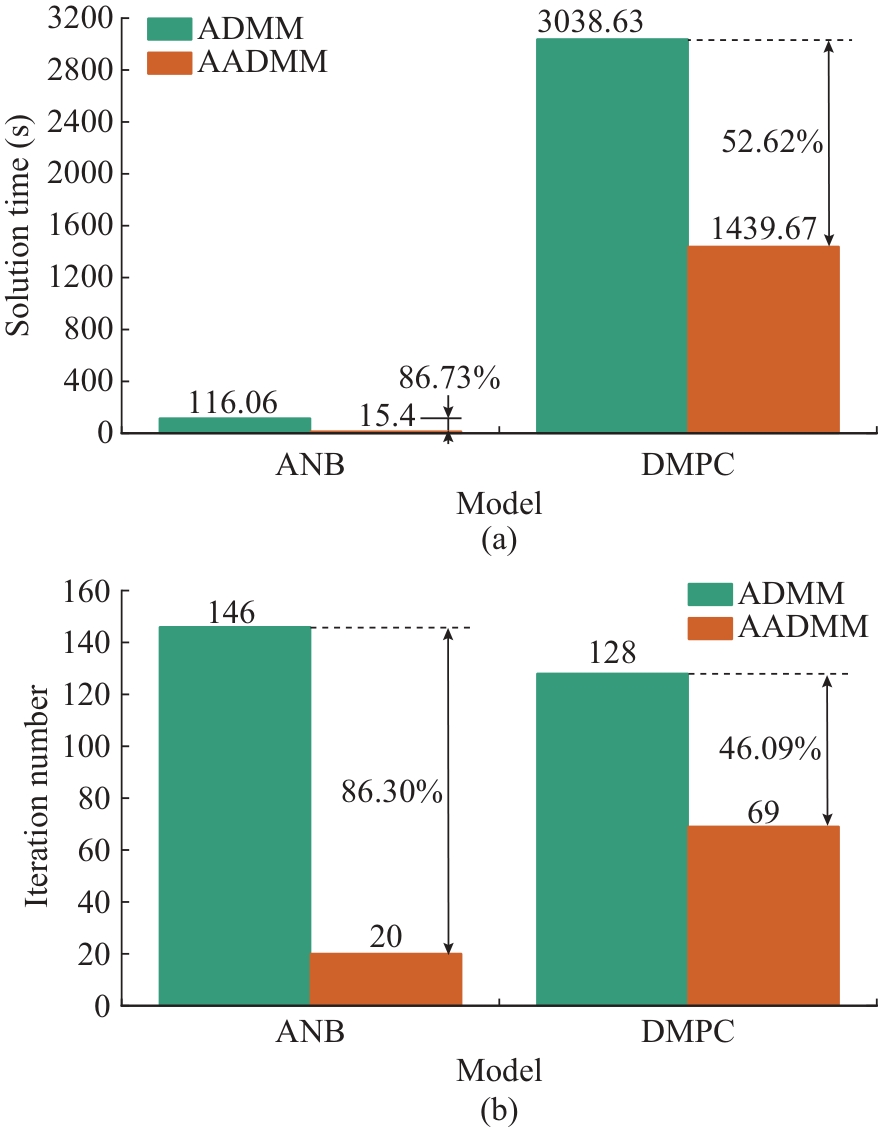
The synergistic installation of energy storage (ES) and photovoltaic (PV) systems in industrial microgrids plays an irreplaceable role in improving energy efficiency, curbing carbon emission growth, and promoting sustainable economic development. However, the high initial investment costs of ES, coupled with the inherent uncertainty and volatility of PV, have restricted the large-scale application of ES. To address these challenges, this paper proposes an enhanced bi-layer iterative stochastic robust planning method for shared rental ES (SRES) in industrial microgrids. The upper layer develops a multi-objective probabilistic information gap decision theory (IGDT) method to investigate the optimal capacity and power of SRES among industrial microgrids under PV uncertainty. The lower layer proposes a demand power defense-driven distributed model predictive control (DMPC) method to manage the leased power from SRES to industrial microgrid. Numerical results demonstrate that compared with the self-built ES and shared ES, SRES achieves economic benefit improvements of 2.37% and 2.42%, respectively. The proposed planning method effectively mitigates the impact of PV uncertainty, enhances demand power defense capability, and significantly improves overall economic efficiency.
- 1
- 2
- 3
- 4
- 5
- 6
-
Zhan Liu, Yue Zhou, Wei Gan, Hongtao Ren, Fushuan Wen
2026,14(5):1857-1868, DOI: 10.35833/MPCE.2025.000627
Abstract:
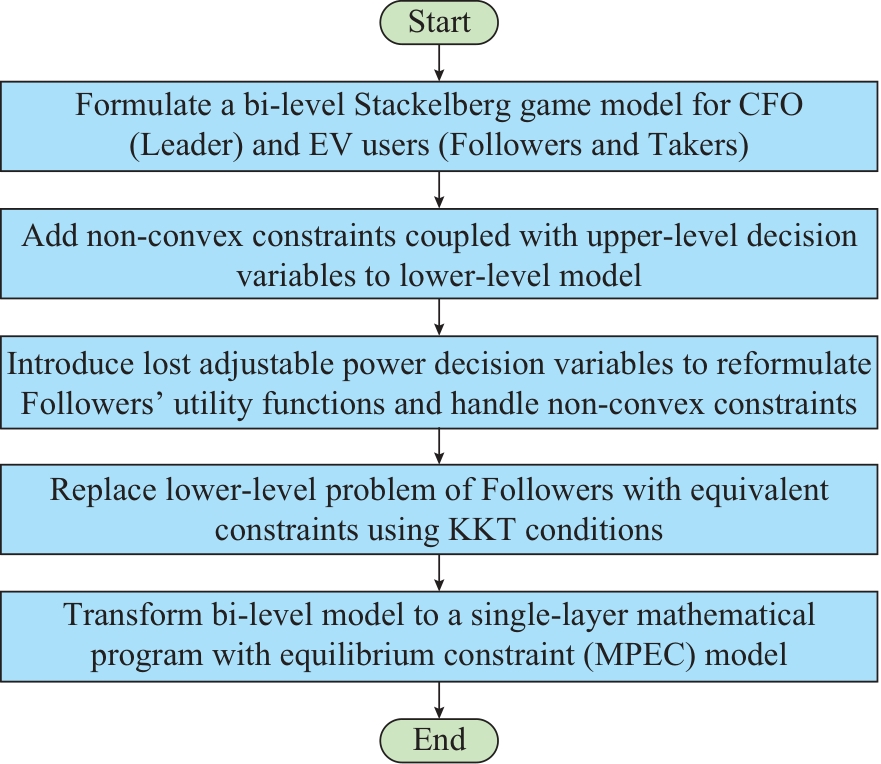
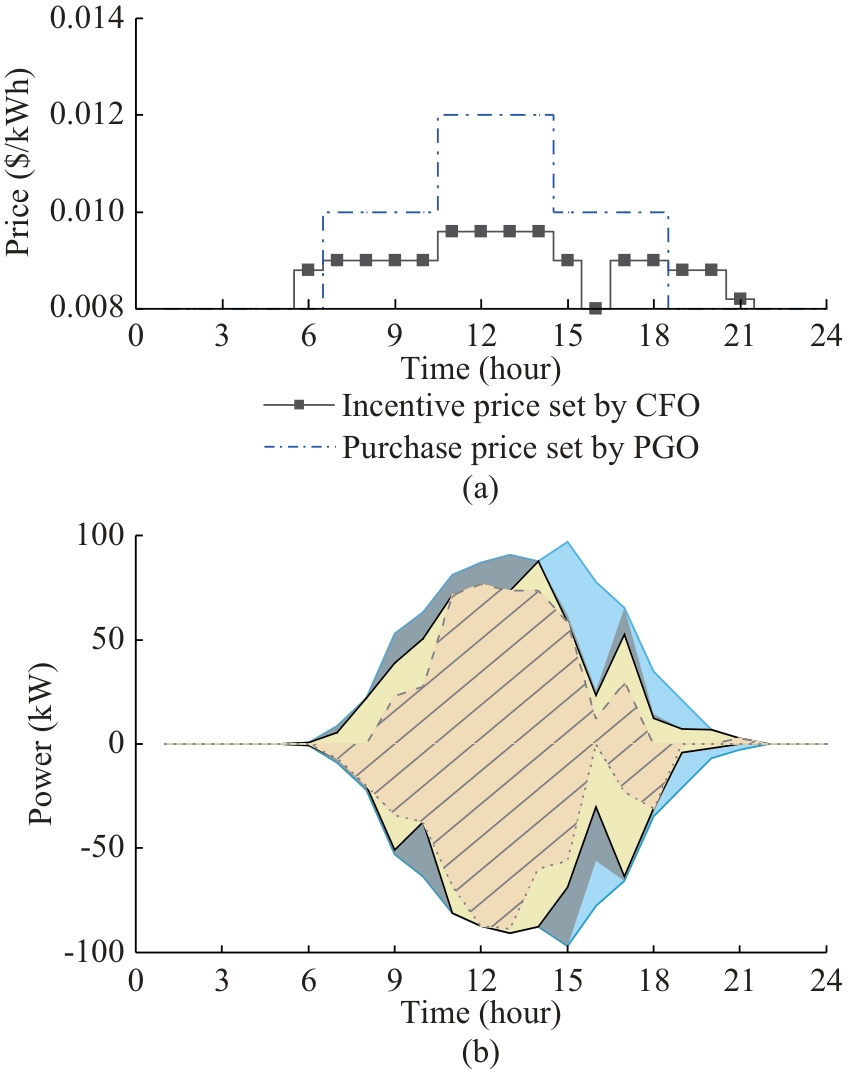
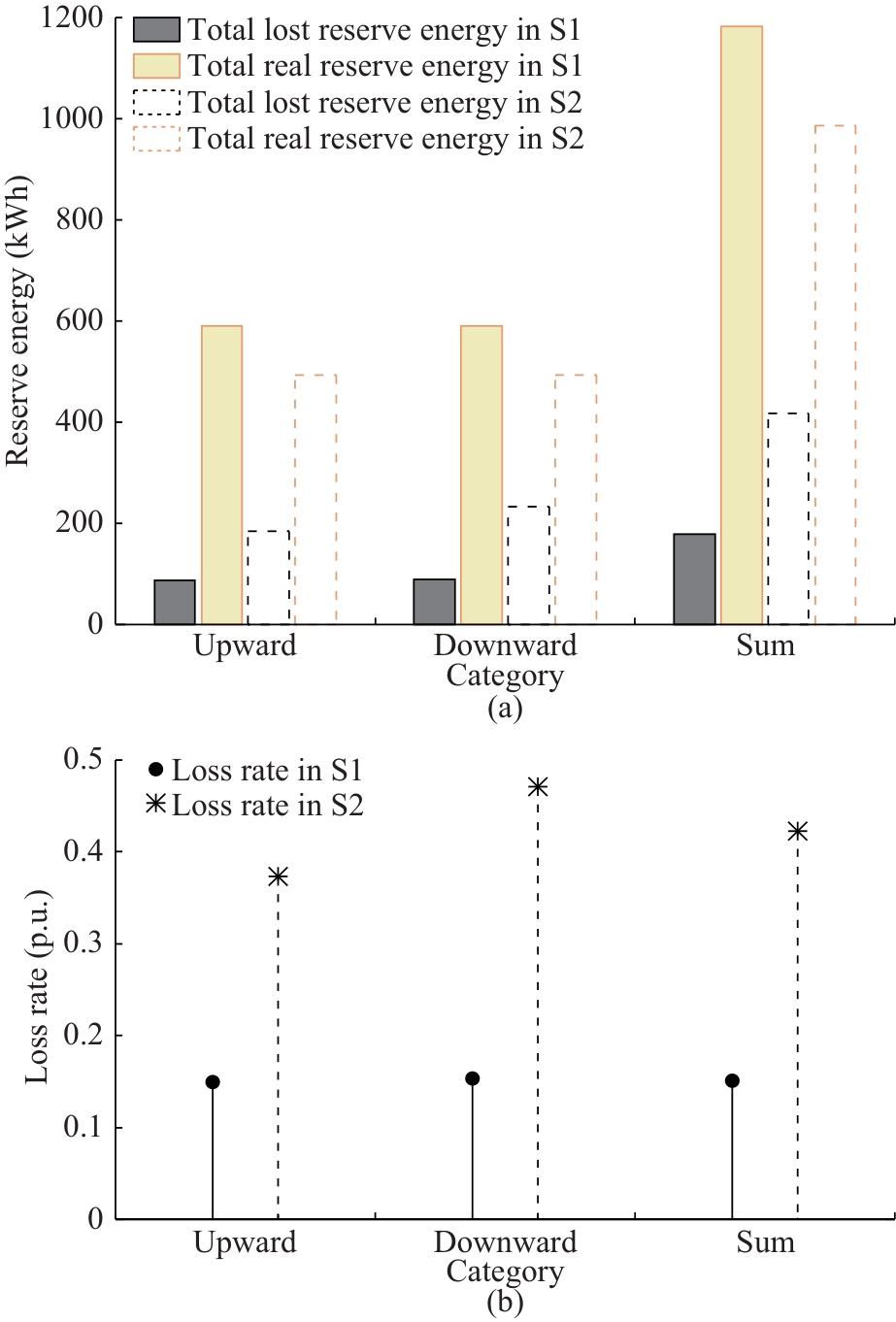
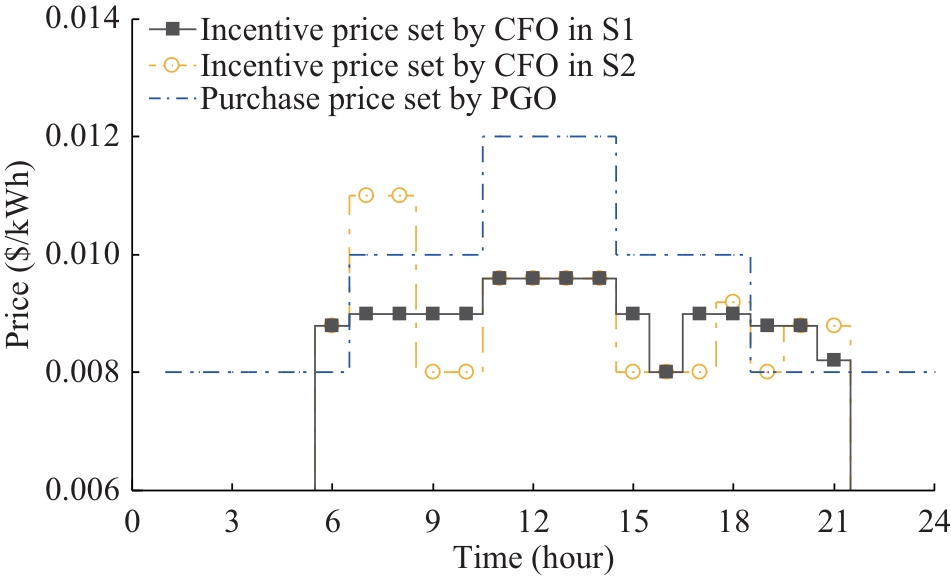
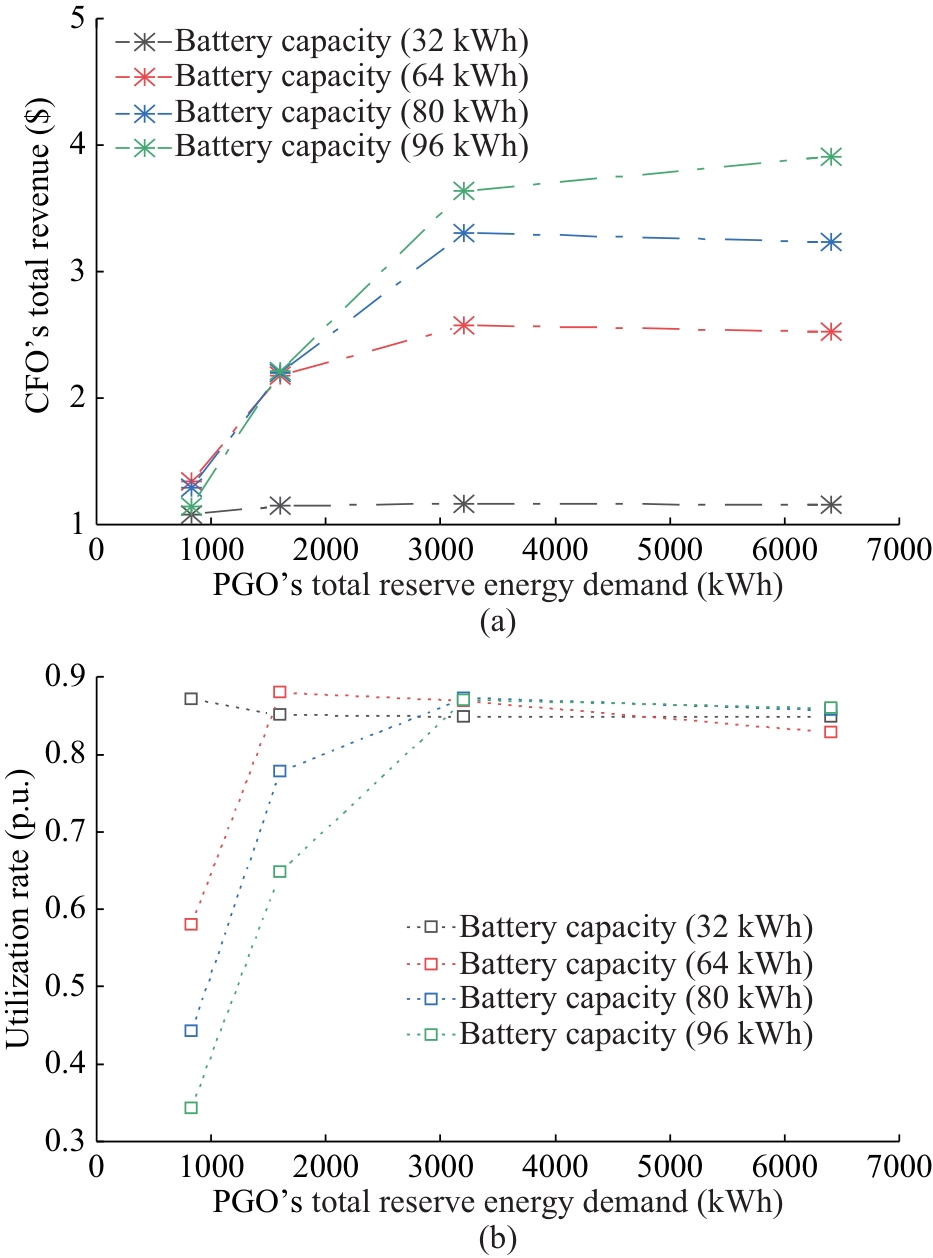
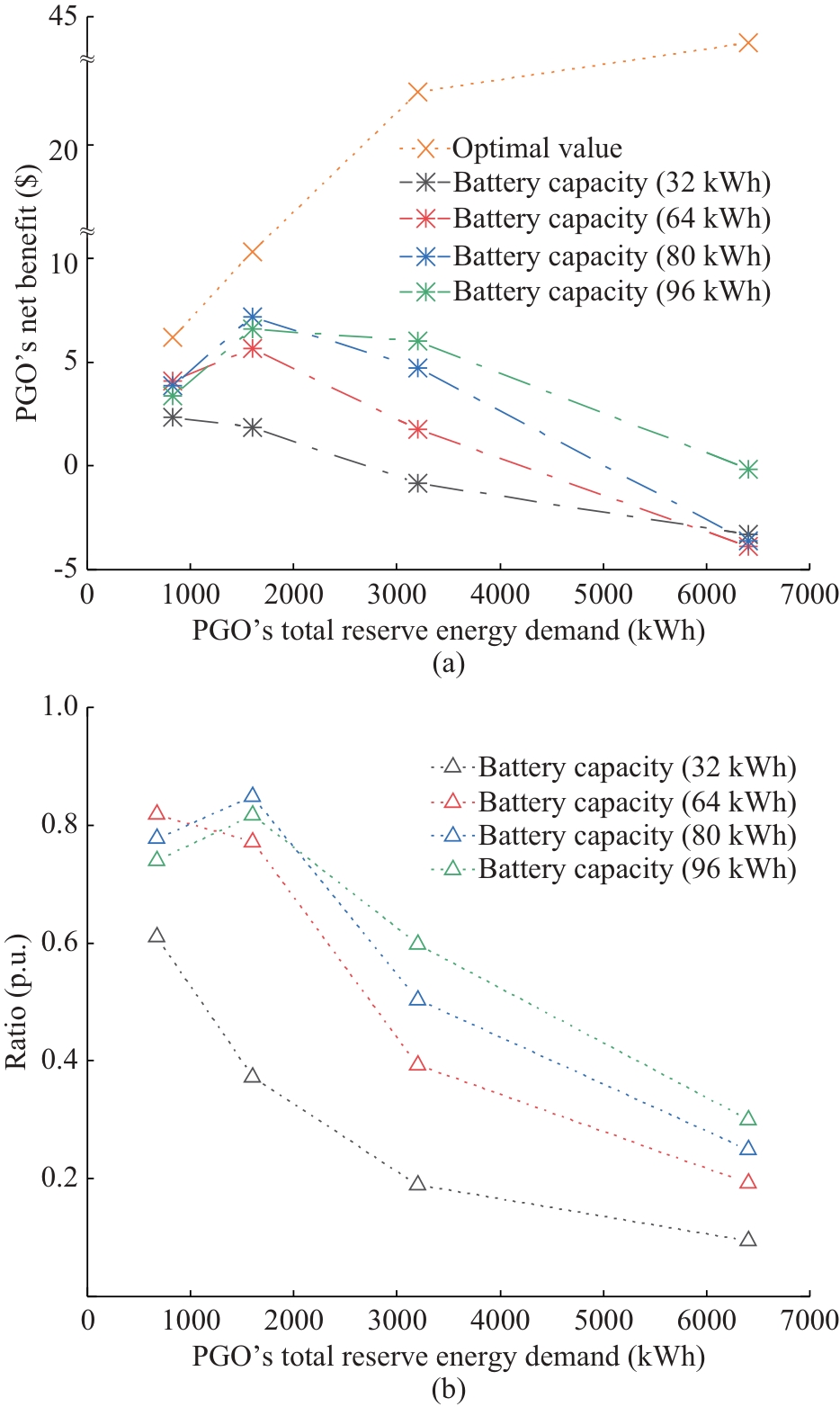
Low-voltage photovoltaic (PV) expansion reduces energy revenue of utility grid but leaves reserve capacity and costs unchanged and hard to quantify. To address this issue, the utility grid promotes the green power direct supply scheme that deliver PV energy to consumers in behind-the-meter (BTM) community without relying on public transmission lines. With a clear ownership boundary, the utility grid can accurately measure and share the previously neglected cost of providing reserve capacity, thereby encouraging PV power generation to seek local reserve capacity in the BTM community to reduce cost. Dedicated slow-charging electric vehicle (EV) facilities in the BTM community, servicing EVs that have fixed arrival and departure schedules and long parking durations, can offer local reserve capacity to mitigate PV power deviations. This paper proposes an EV incentivization framework to provide local reserve capacity for PV power generation in the green power direct supply scheme. First, a stochastic optimization model is established to evaluate expected residual PV power deviation costs and determine the corresponding local reserve capacity demand. Second, a bi-level Stackelberg game model is formulated to describe the multi-round bargaining between the charging facility operator (CFO) and EV users. Simulation results demonstrate that the proposed EV incentivization framework effectively aggregates EV adjustable power, reduces PV power deviation penalties, and alleviates the reserve capacity burden of the utility grid.
- 1
- 2
- 3
- 4
- 5
- 6
- 7
-
Lu Tan, Nian Liu, Jie Huang, Haonan Sun, Kai Jiang
2026,14(5):1869-1881, DOI: 10.35833/MPCE.2025.000690
Abstract:
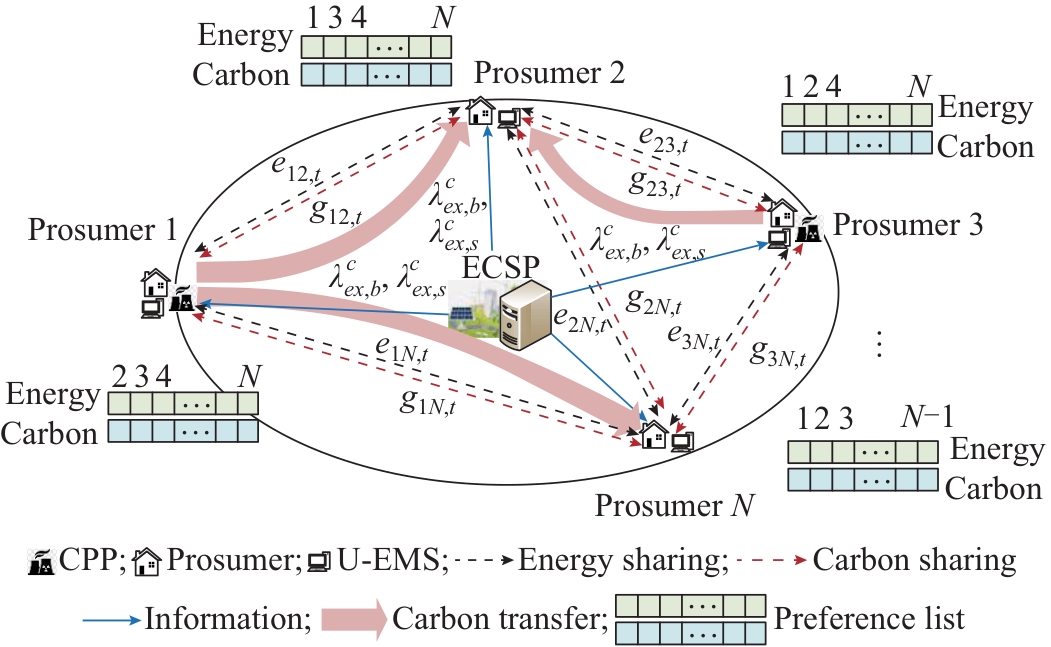
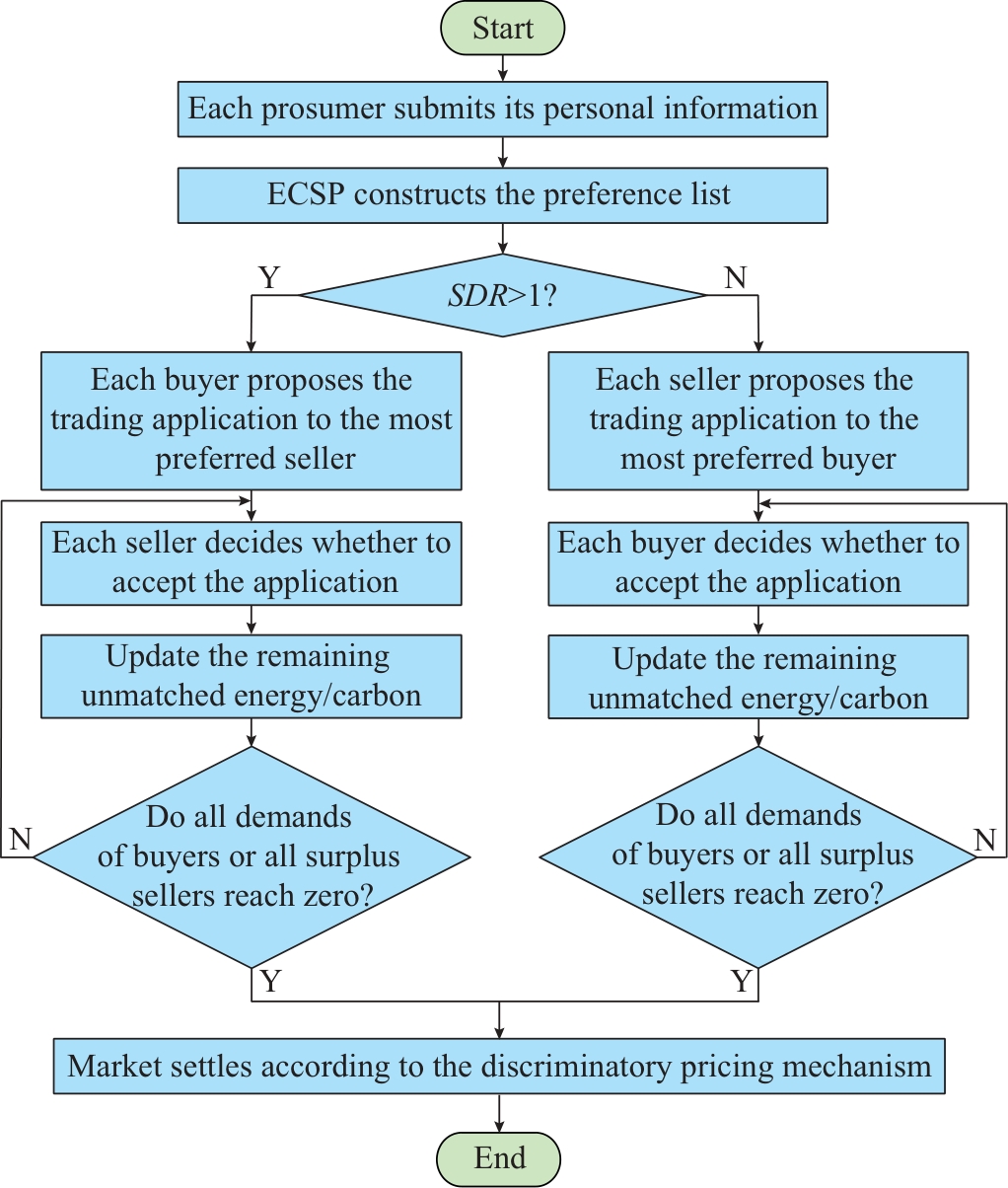
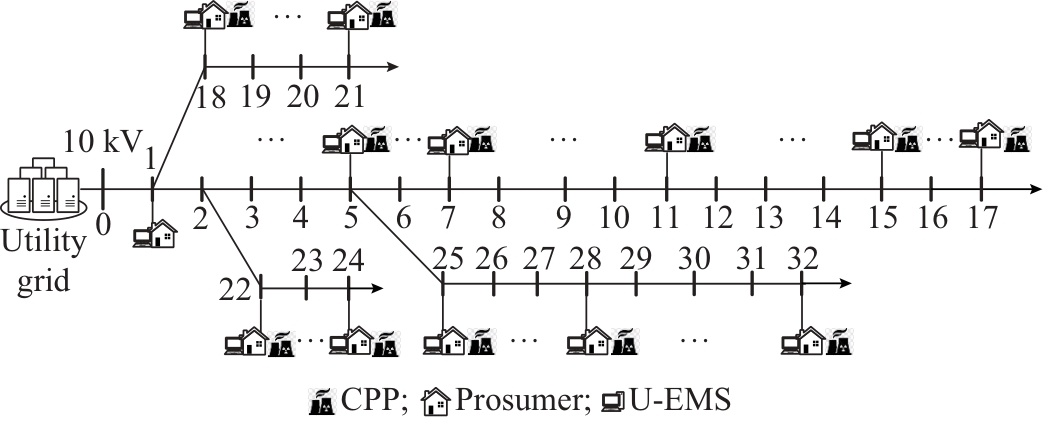
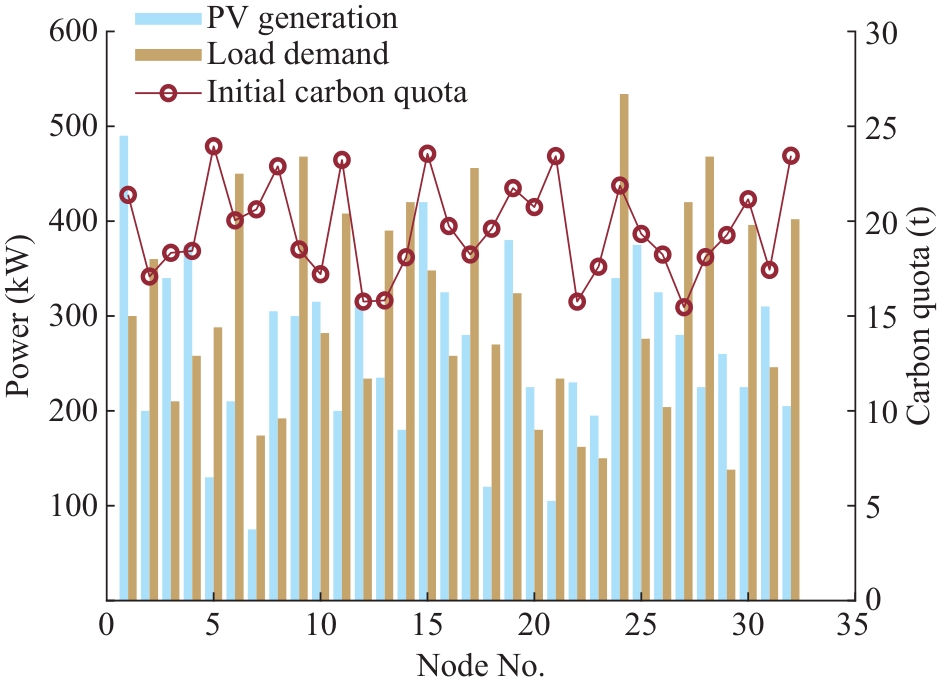
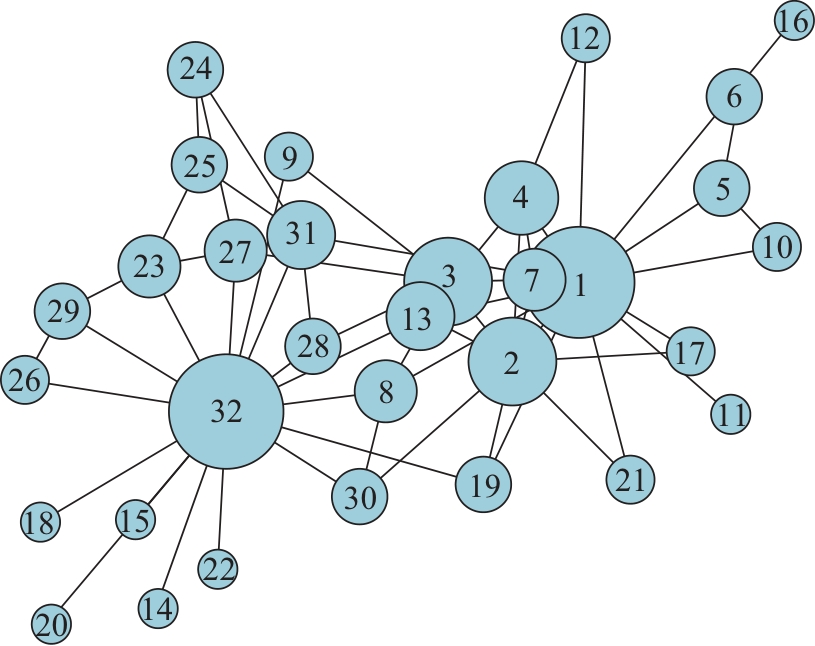
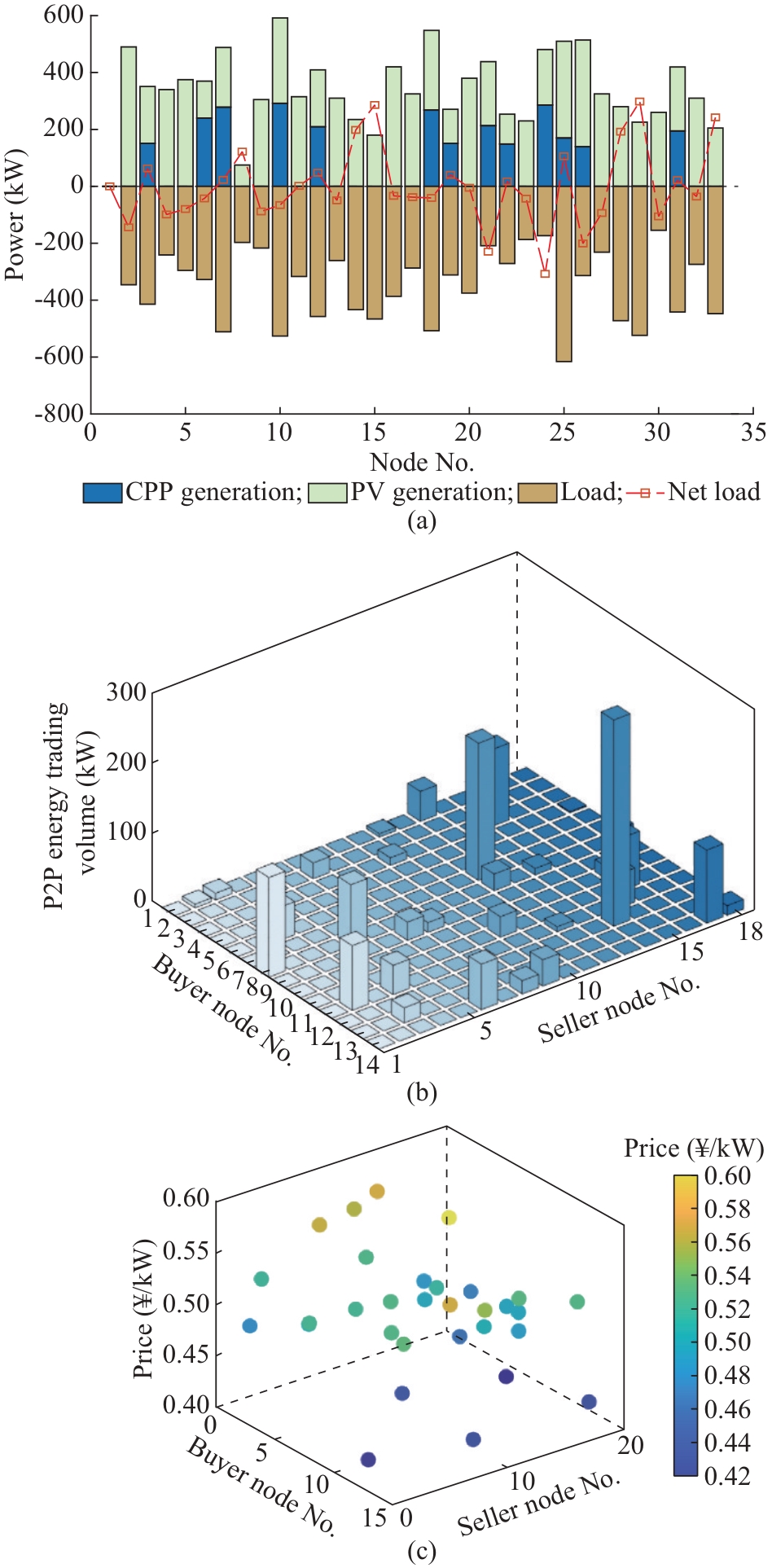
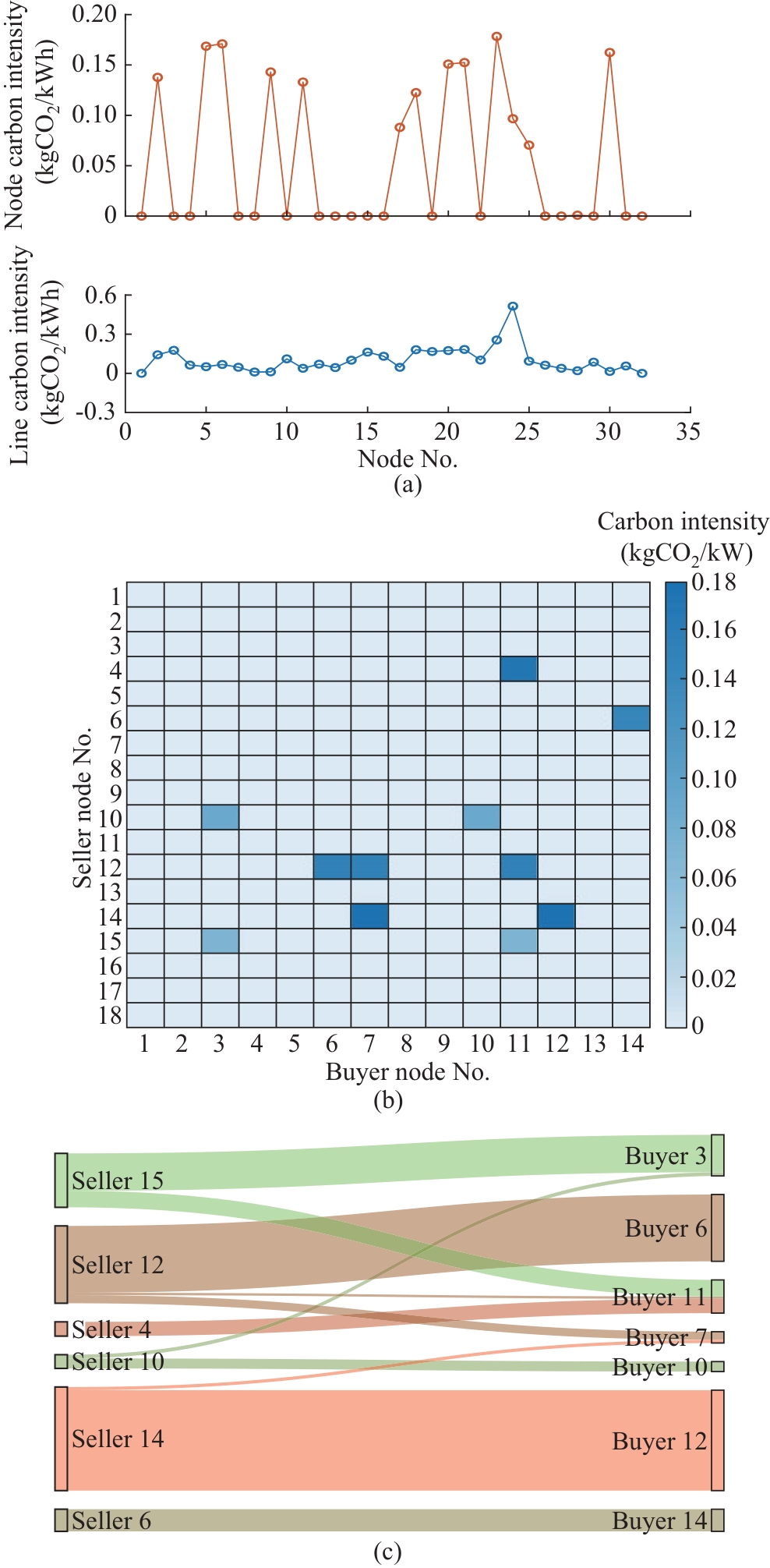
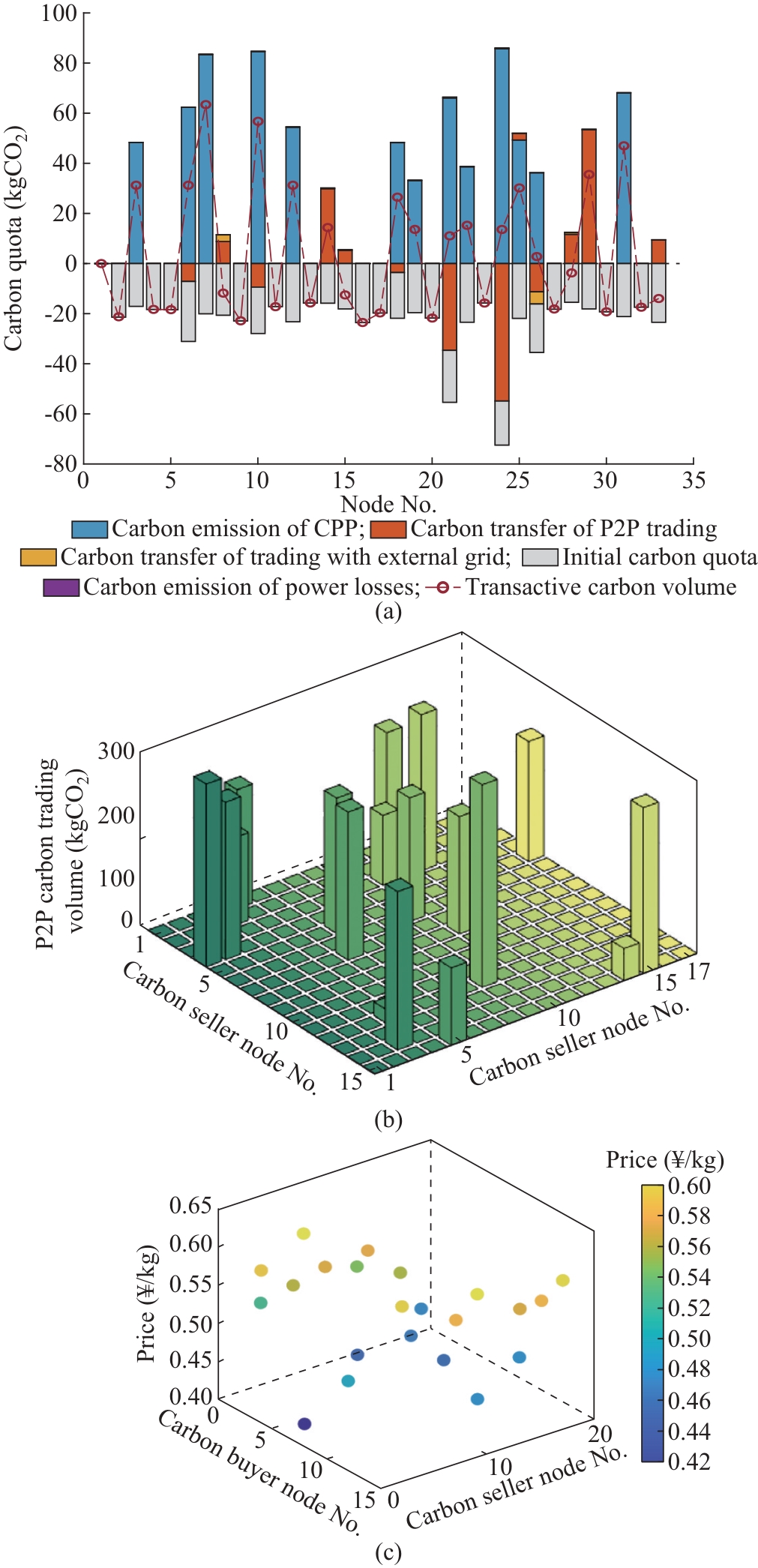
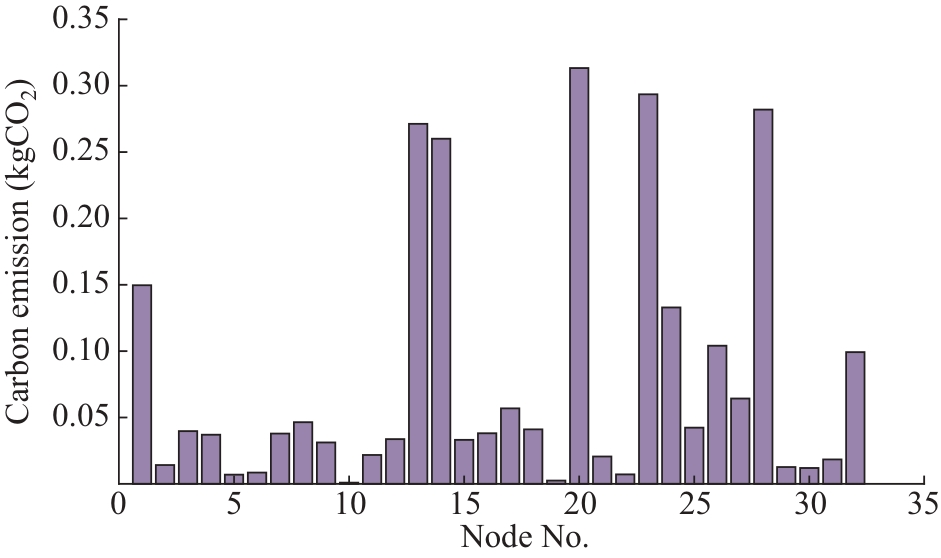
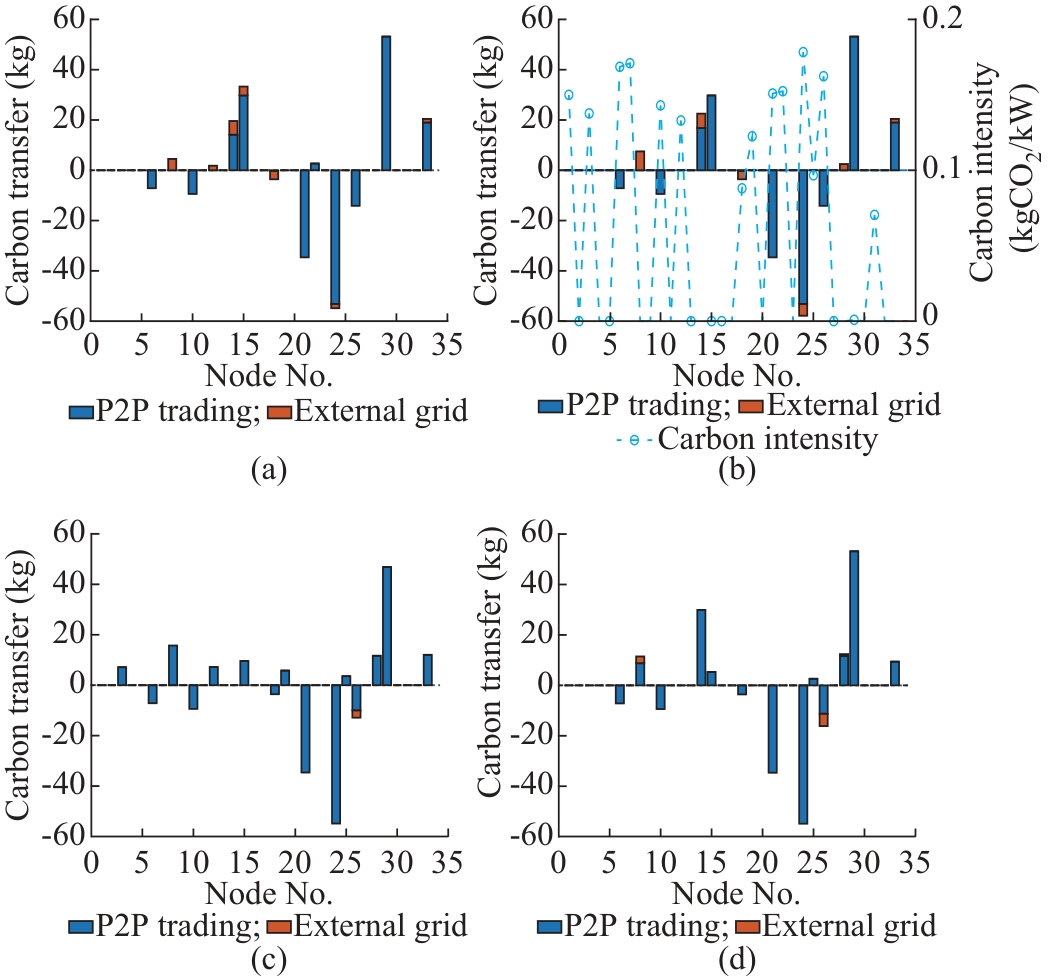
Peer-to-peer (P2P) energy and carbon sharing among prosumers promotes the local decarbonization, yet it faces new challenges due to the dynamic roles and heterogeneous individual characteristics of prosumers. This paper considers the social behavior and low-carbon preferences of prosumers, and proposes a novel matching-based energy and carbon sharing scheme. First, a bidirectional carbon emission obligation transfer model via sensitivity coefficients is developed, enabling dynamic allocation of emission obligation based on the energy sharing strategies of prosumers. Second, the hybrid preference model of prosumers in P2P energy and carbon sharing is formulated, which integrates, besides economic-based preferences, the considerations of social behavior and low-carbon preferences. Third, a supply-demand ratio (SDR) based proposal method combined with a modified stable matching algorithm is developed, achieving faster market clearing than conventional alternating direction method of multipliers (ADMM) methods while guaranteeing weak Pareto-optimality. Implemented on an IEEE 33-bus system with 32 prosumers, the proposed matching-based energy and carbon sharing scheme can enhance the participation of prosumers, encourage prosumers to choose cleaner energy, and then reduce the total carbon emissions of cluster.
- 1
- 2
- 3
- 4
- 5
- 6
- 7
- 8
- 9
- 10
-
Simian Pang, Yongbiao Yang, Qingshan Xu, Jiao Du, Jiancheng Yu, Chao Pang
2026,14(5):1882-1895, DOI: 10.35833/MPCE.2025.000812
Abstract:
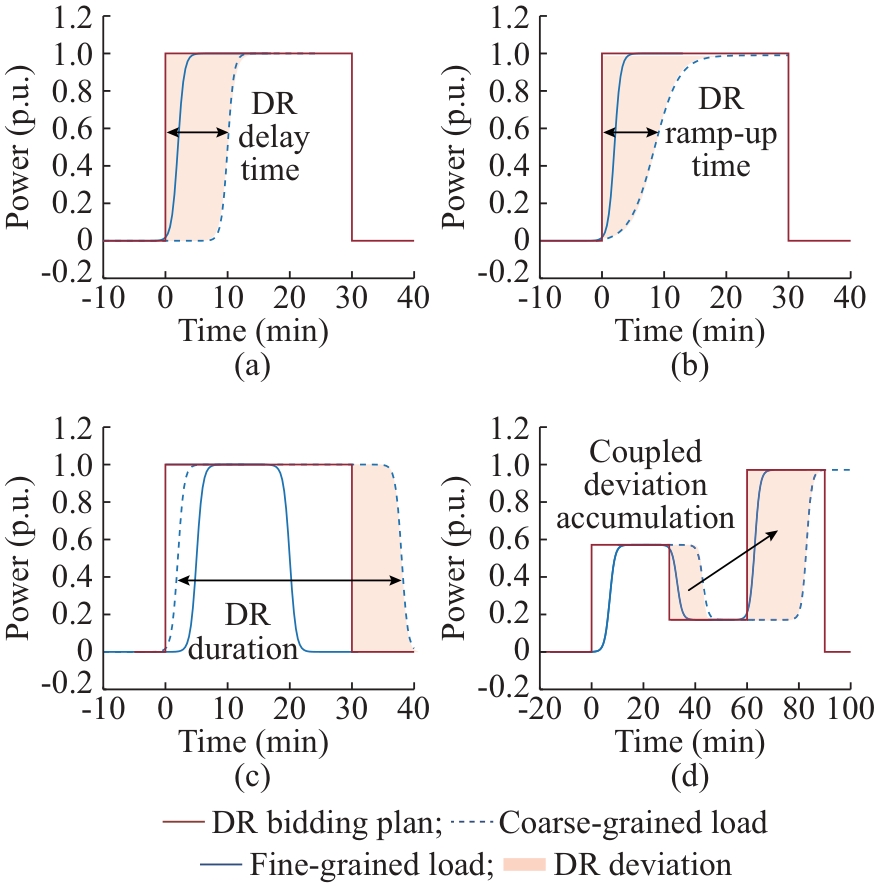
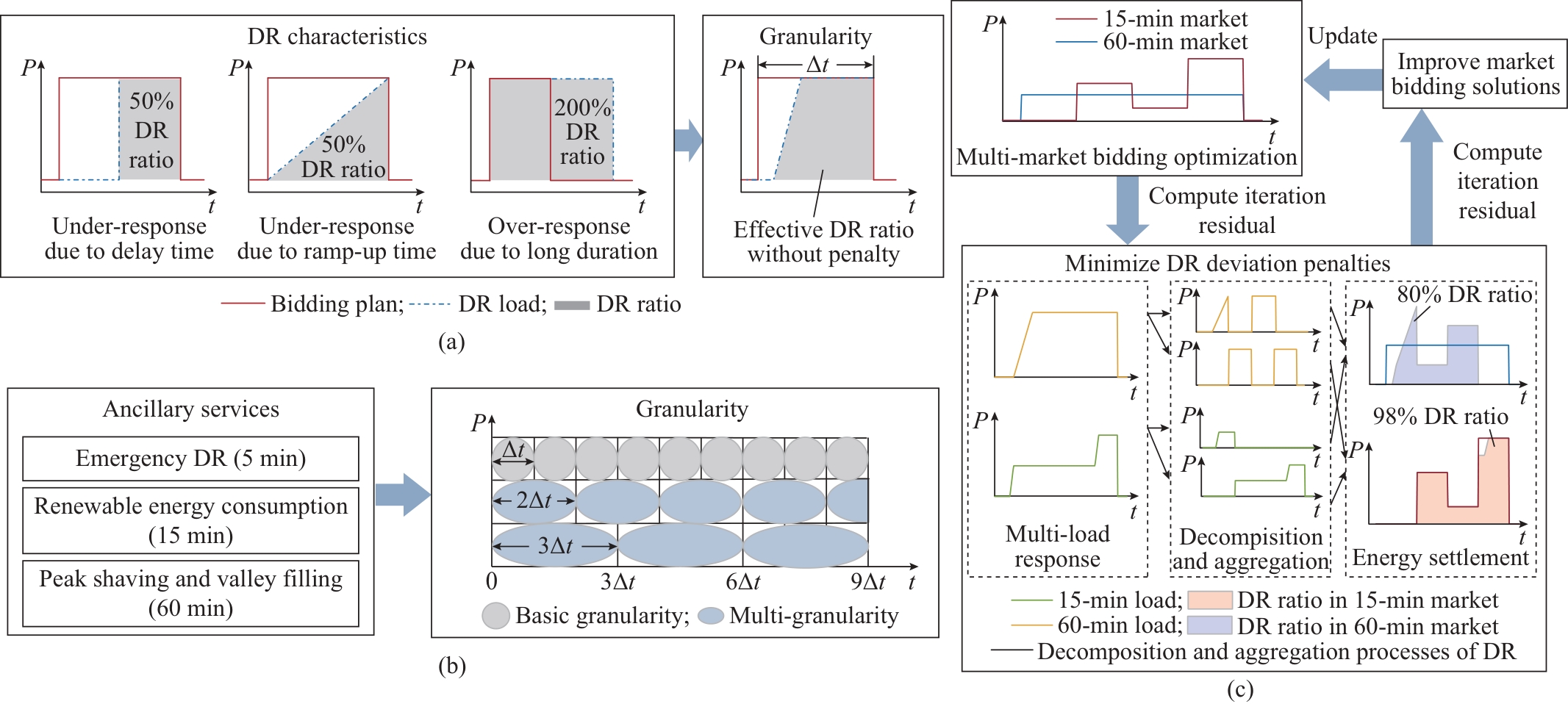
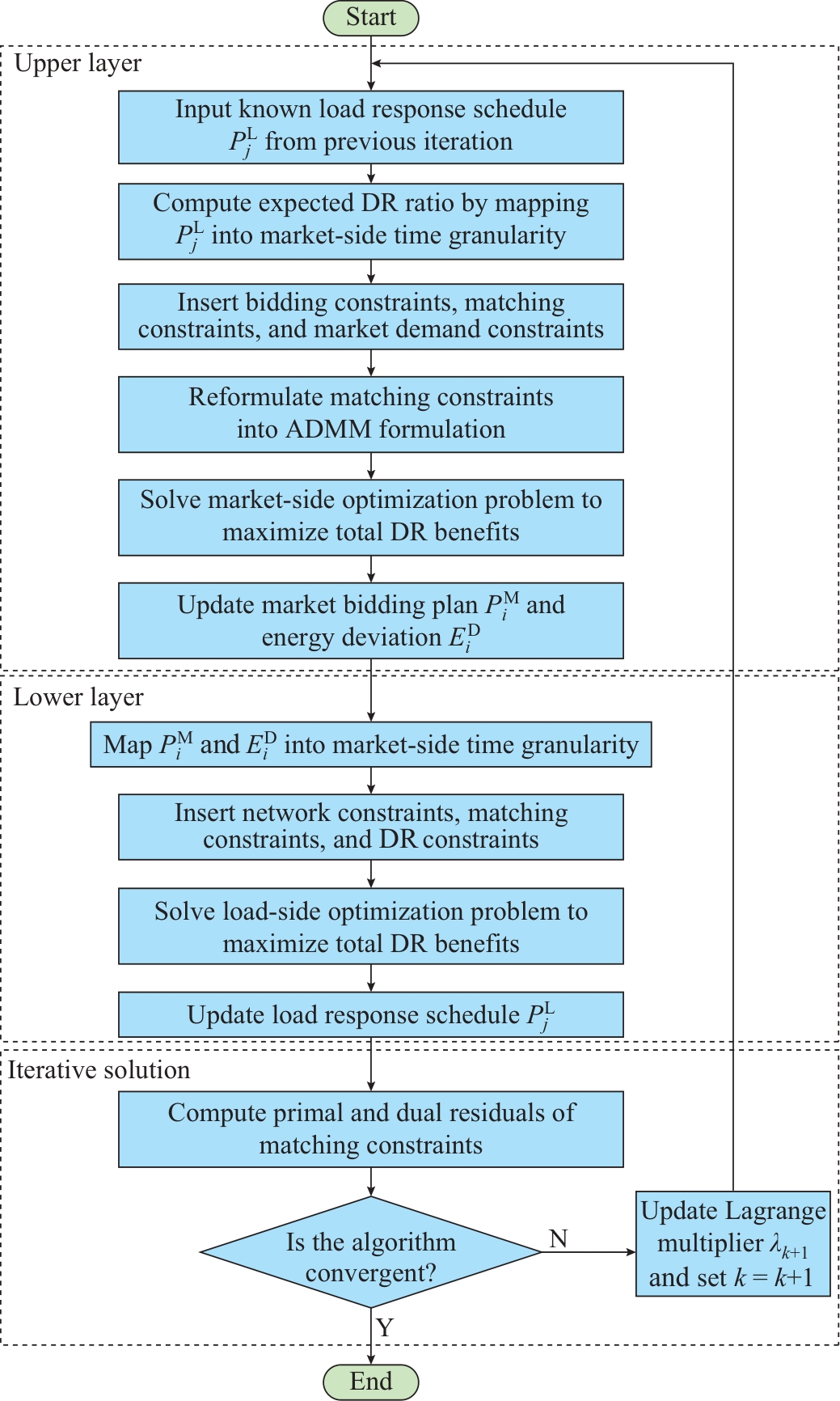
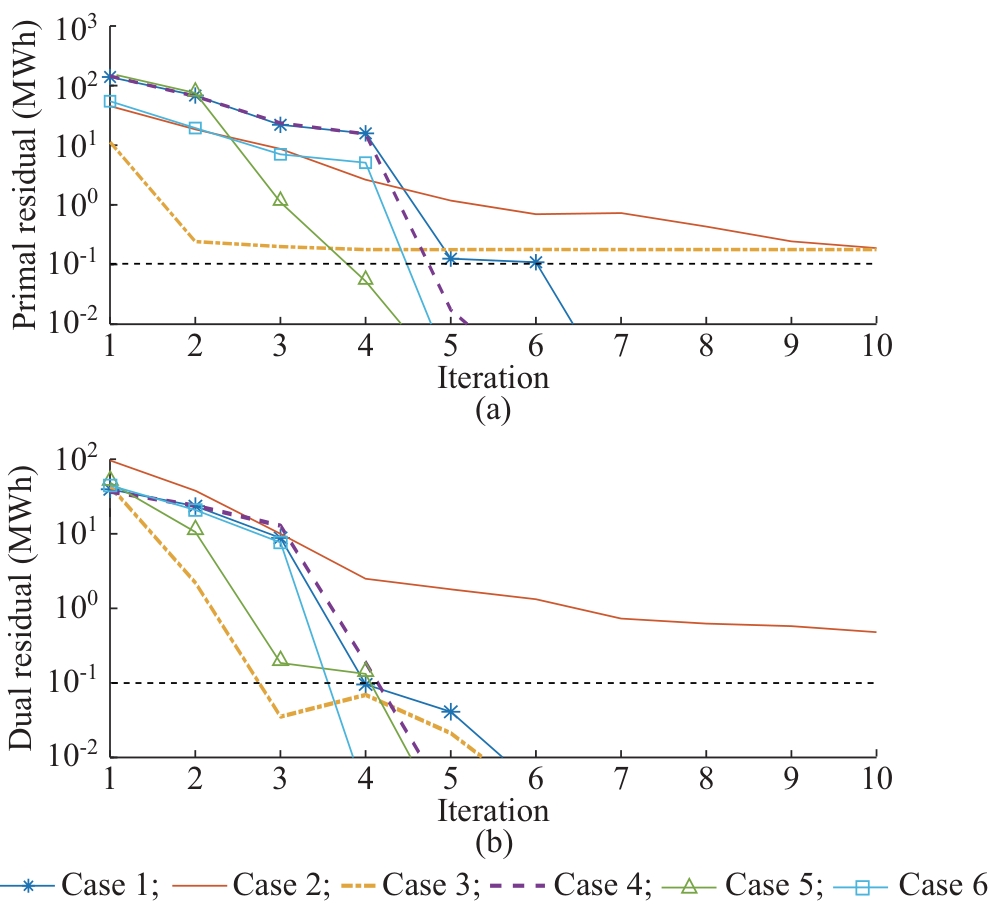
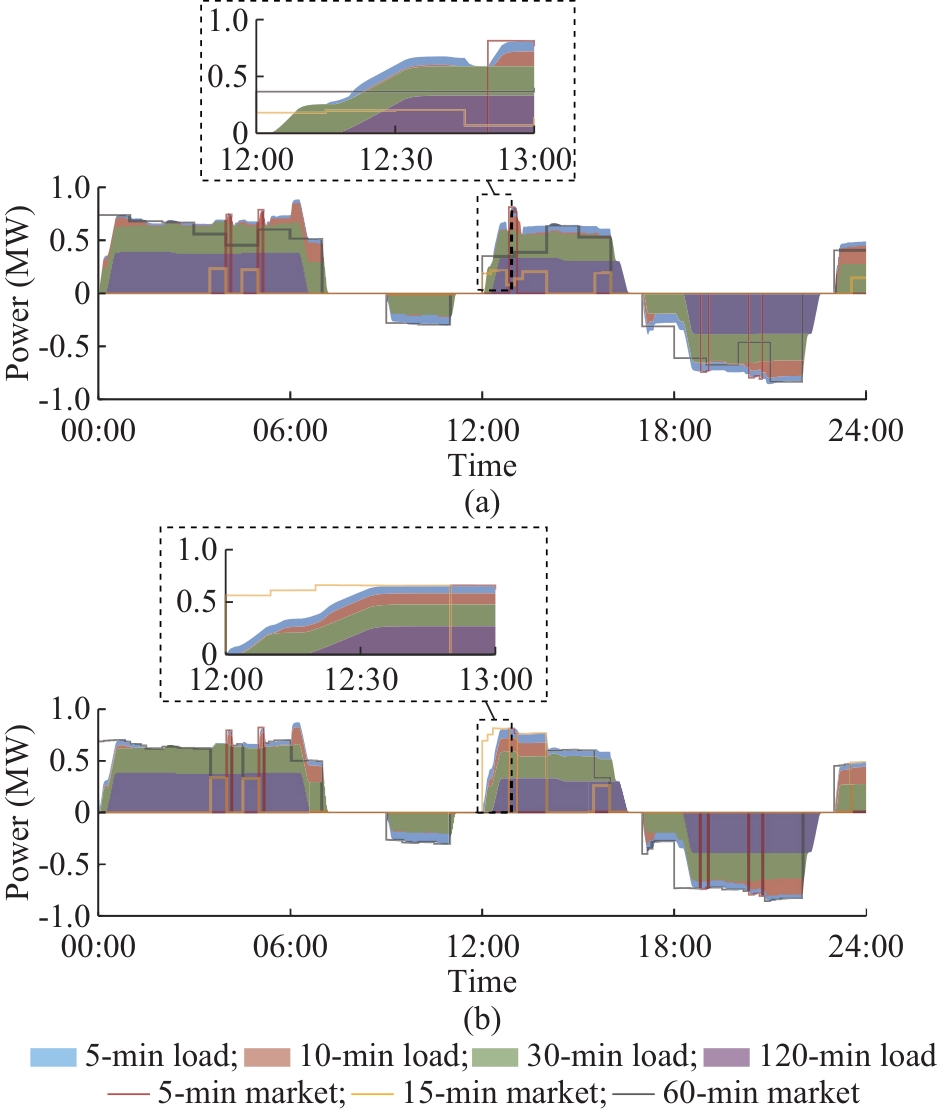
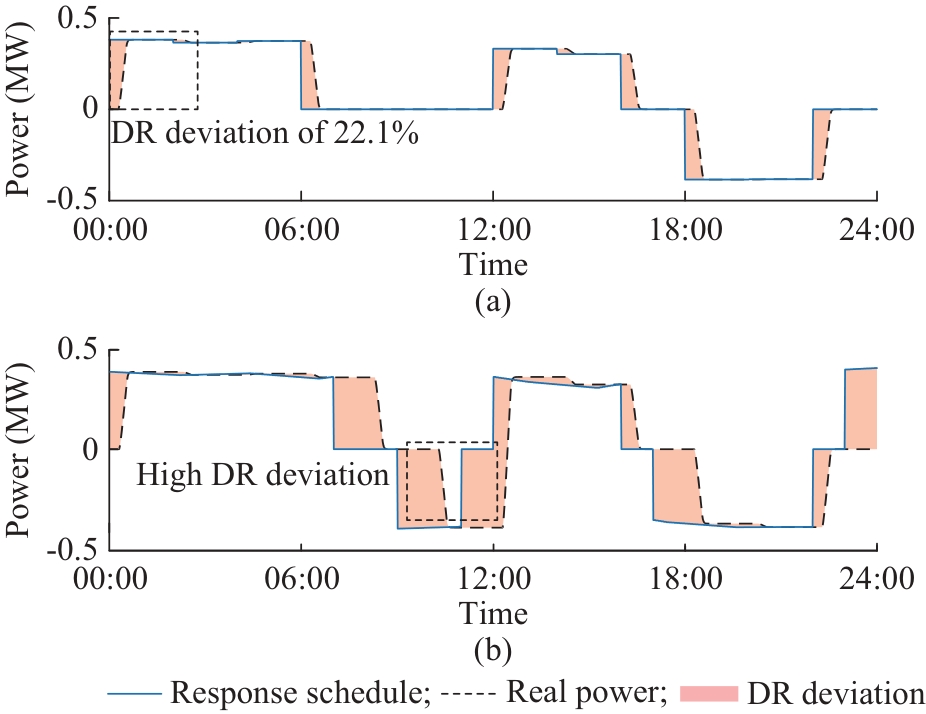
Power systems with renewable energy penetration increasingly rely on flexible loads to provide ancillary services, including emergency DR renewable energy consumption, peak shaving, and valley filling. However, the demand response (DR) characteristics of diversified loads such as long DR delay time and ramp-up time do not match the high-resolution bidding and fast-response requirements of ancillary services. To address this challenge, this paper proposes a multi-market DR bidding strategy for load aggregators (LAs). First, the specific bidding resolution and response frequency rules of emergency DR, renewable energy consumption, peak shaving, and valley filling are analyzed, leading to the establishment of a market-side time granularity model. Meanwhile, the DR characteristics of flexible loads, including DR delay time, ramp-up time, and duration, are reformulated into a load-side time granularity model based on DR deviation penalty rules. A bilateral time granularity matching framework is then constructed to enable coarse-grained loads to participate in fine-grained markets through coordinated aggregation. To enable the distributed optimization of DR bidding plans and load response schedules under the management of LAs, a multi-market DR bidding strategy based on bilateral time granularity matching framework is developed. Case studies demonstrate that the proposed strategy effectively unlocks the time flexibility of diversified loads, allowing them to participate in multiple markets and maximize economic benefits.
- 1
- 2
- 3
- 4
- 5
- 6
- 7
- 8
- 9
- 10
-
Ziwei Zhao, Chen Yang, Chen Liang, Dan Xu, Yilin Zhang, Junjie Tang
2026,14(5):1896-1908, DOI: 10.35833/MPCE.2025.000414
Abstract:
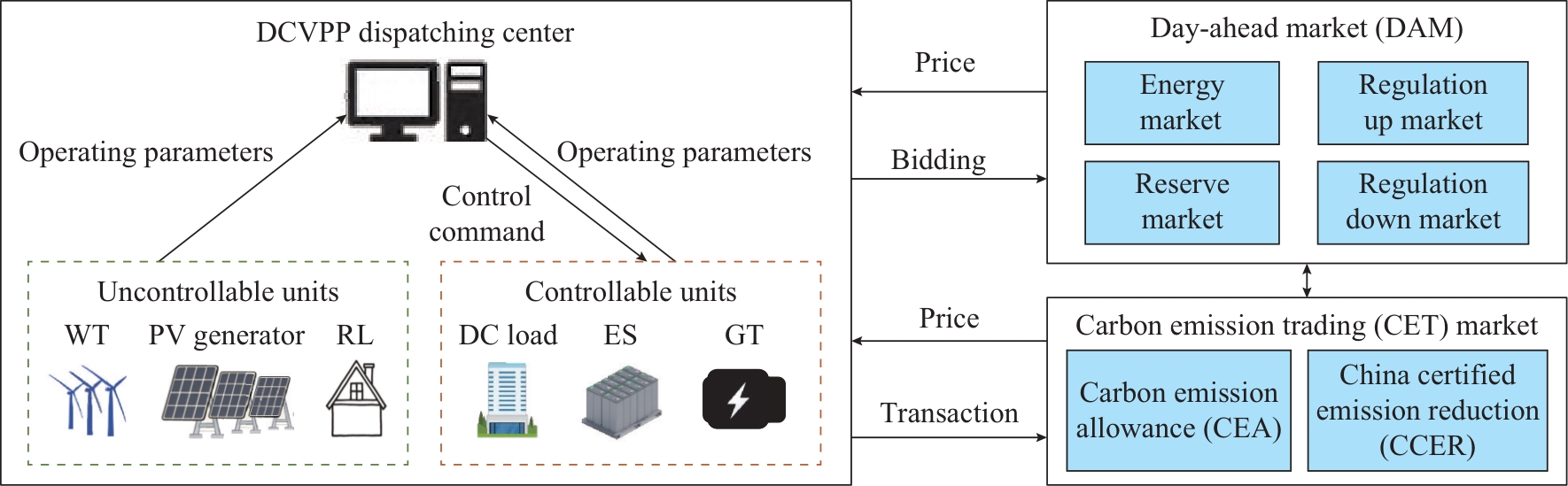
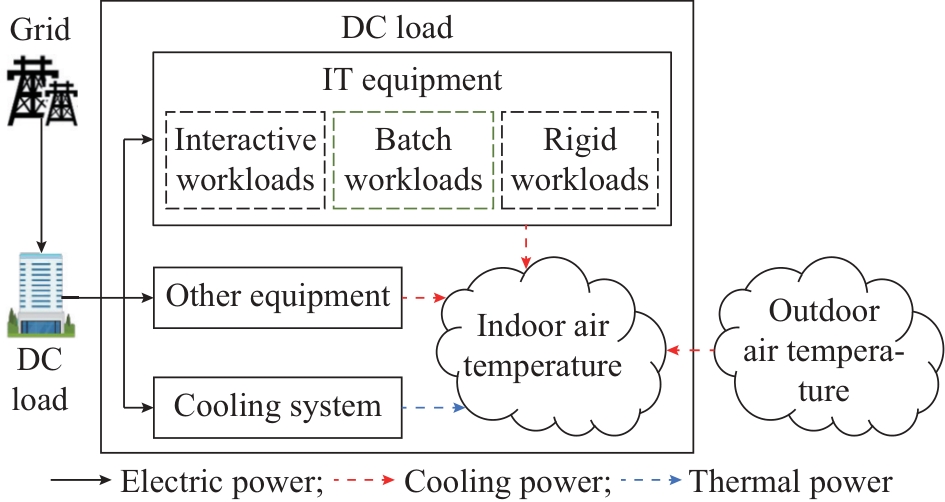
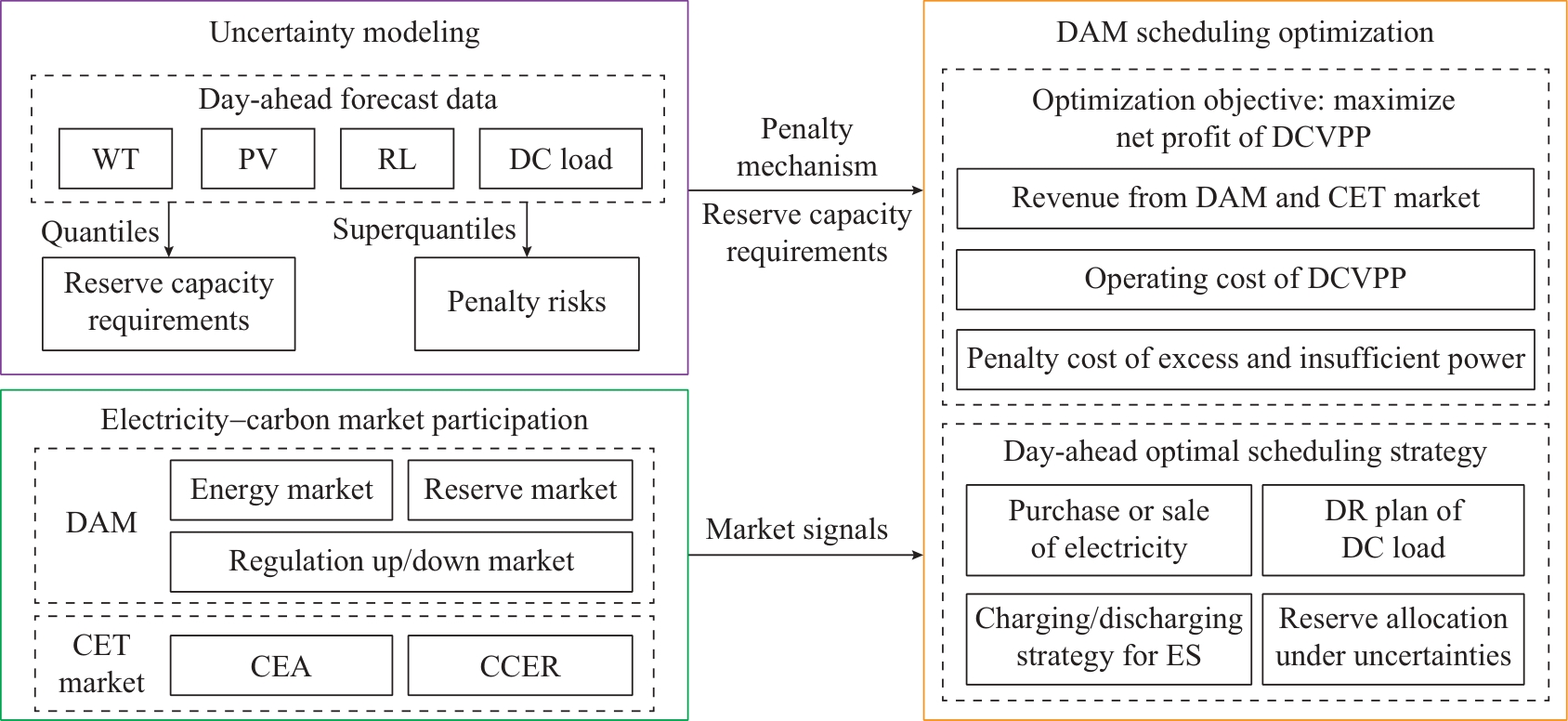
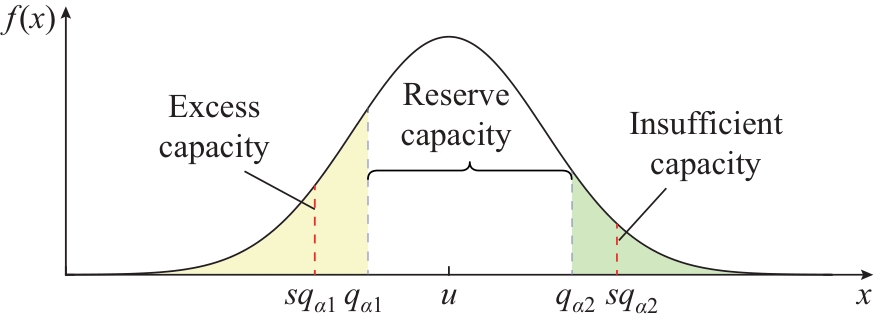
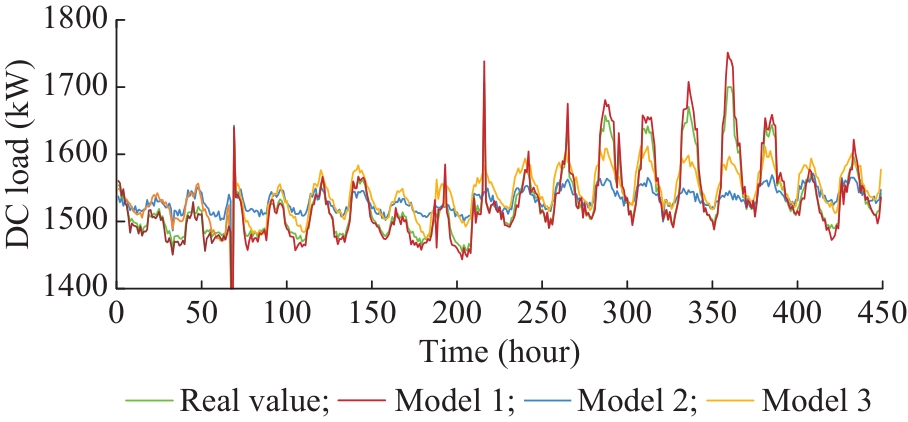
As an emerging demand response (DR) resource, data centers (DCs) have garnered significant attention due to their ability to adapt to stochastic renewable energy fluctuations. To fully exploit the price signals from diverse markets and achieve the flexible complementarity between DCs and virtual power plant (VPP) resources, this paper proposes a coordinated framework for the data center virtual power plant (DCVPP) participating in the electricity -
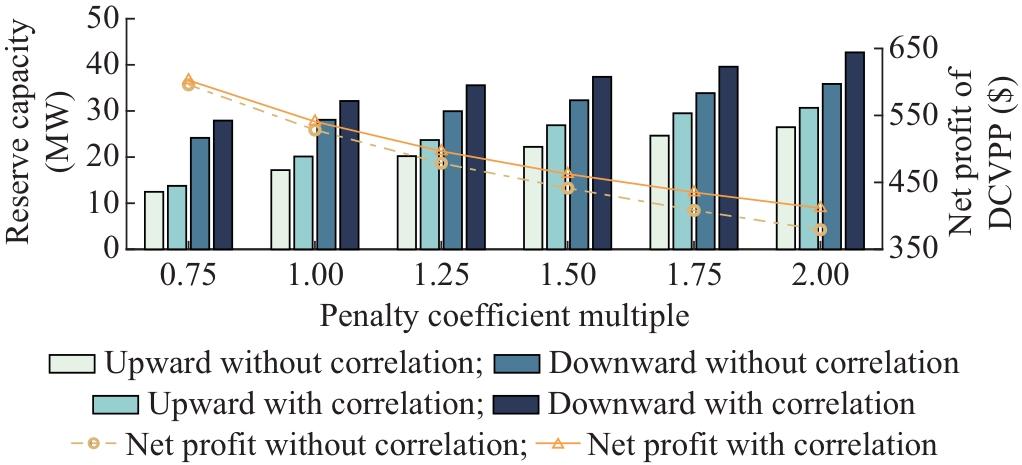
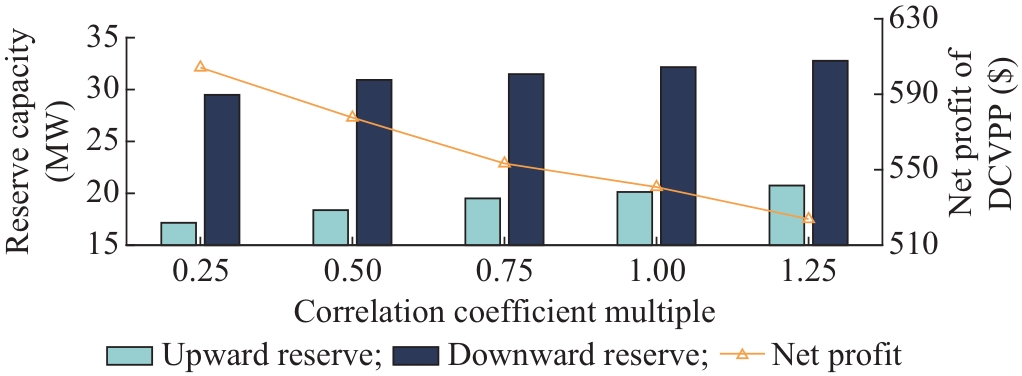
carbon joint market under uncertainty. Specifically, a refined model of power consumption for cooling system in DC is developed based on the second-order equivalent thermal parameter (ETP) theory, which enhances the accuracy of load modeling and maximizes the potential for DR. To address the penalty risks associated with forecast uncertainties in renewable energy generation and load demands, a risk-based reserve scheme is developed by integrating the Gaussian copula with two-sided superquantile theory. This scheme provides a coordinated mechanism for quantifying the correlations between forecast errors. On this basis, an optimal scheduling strategy of DCVPPs is formulated in the carbon joint market, which coordinates DC load flexibility with distributed energy resources to optimize economic performance and reduce carbon emissions. Case studies demonstrate that the proposed refined model achieves an root mean square error (RMSE) reduction ranging from 57.9% to 68.8%, and the risk-based reserve scheme reduces penalty costs by 24.4%. Furthermore, the integration of the carbon trading mechanism in the proposed optimal scheduling strategy results in an increase of $259.9 in economic benefits and an average reduction of 14% in carbon emissions. - 1
- 2
- 3
- 4
- 5
- 6
- 7
- 8
- 9
- 10
- 11
-
Zeyi Zhu, Yan Gao, Xiaodong Ding, Youmeng He
2026,14(5):1909-1920, DOI: 10.35833/MPCE.2025.000688
Abstract:
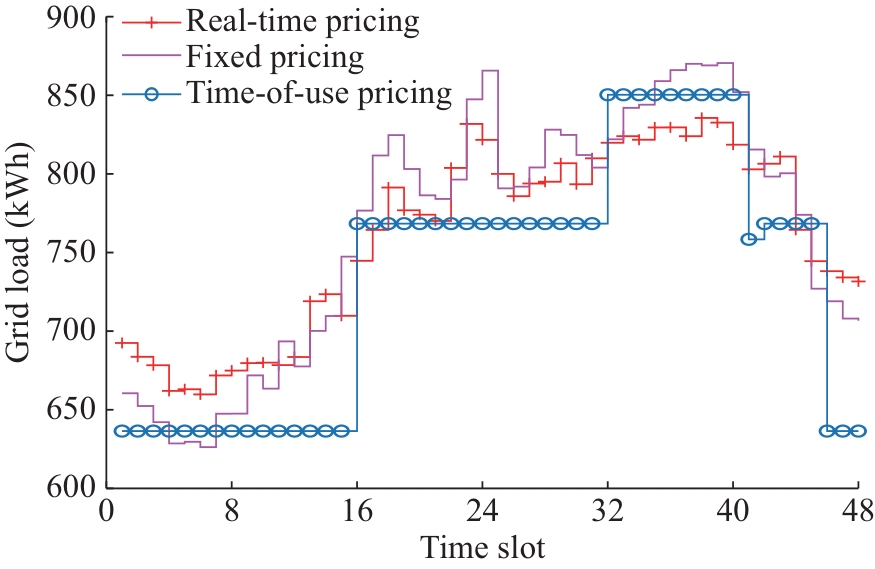
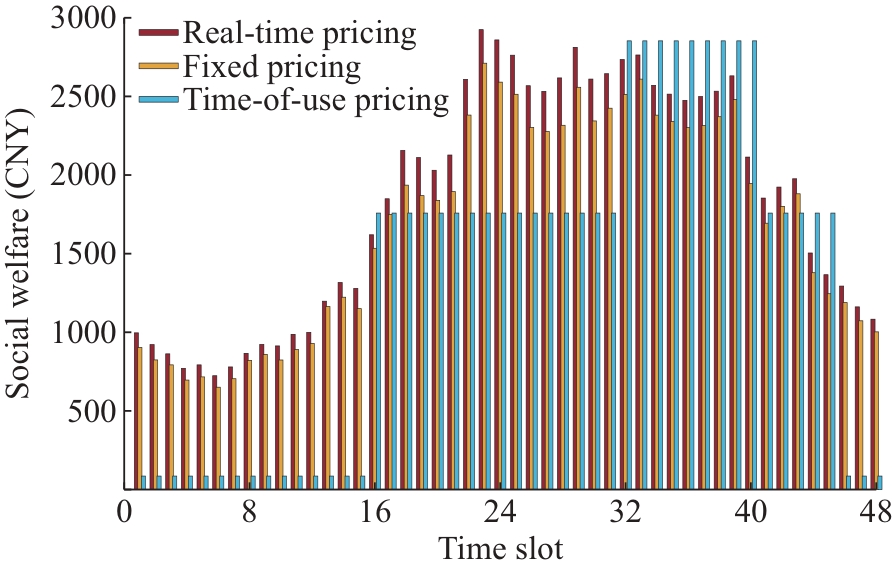
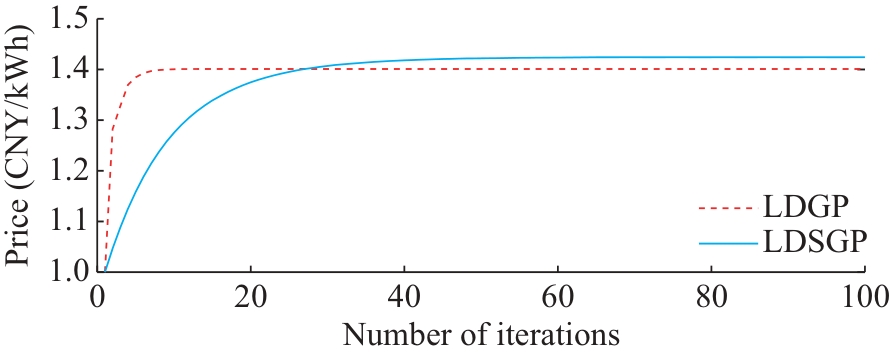
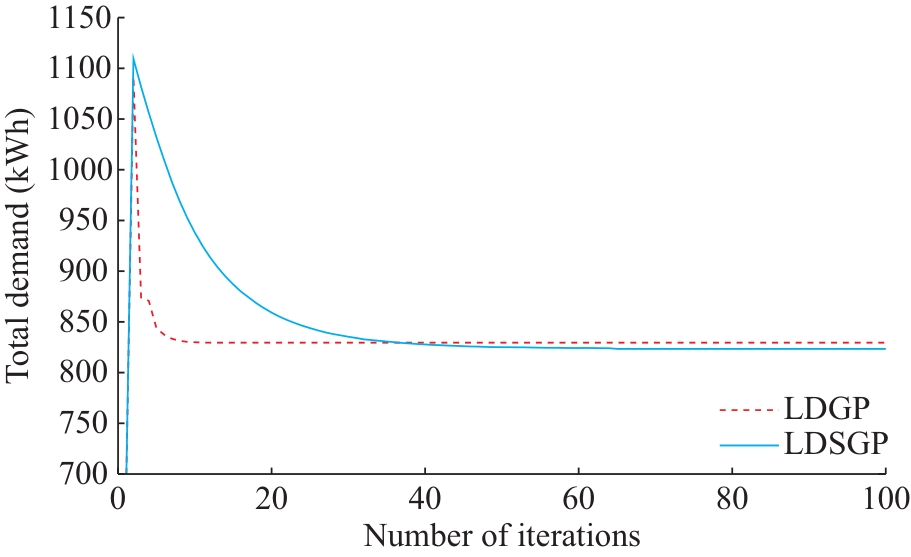
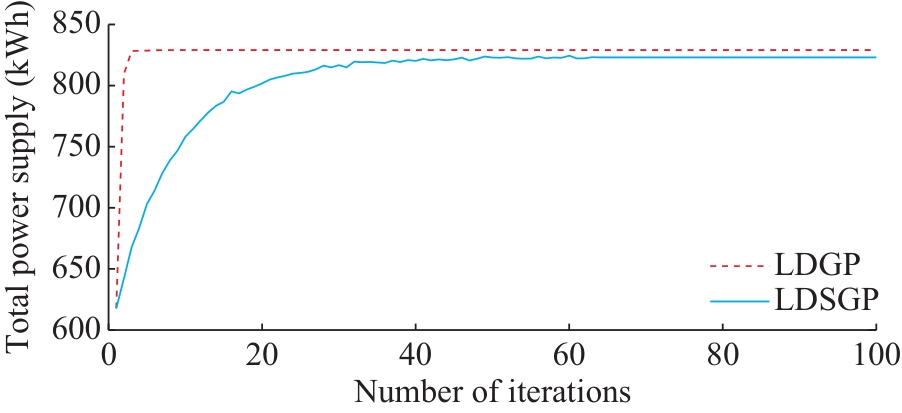
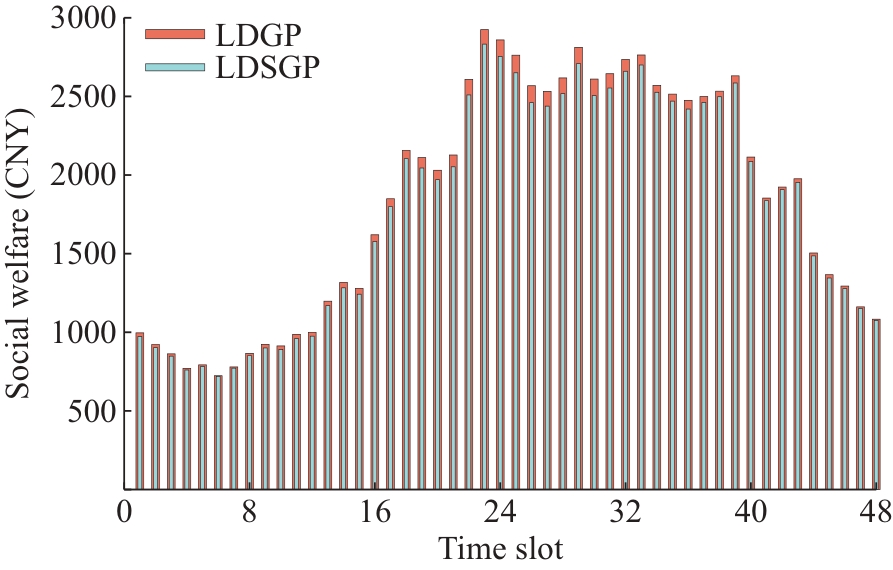
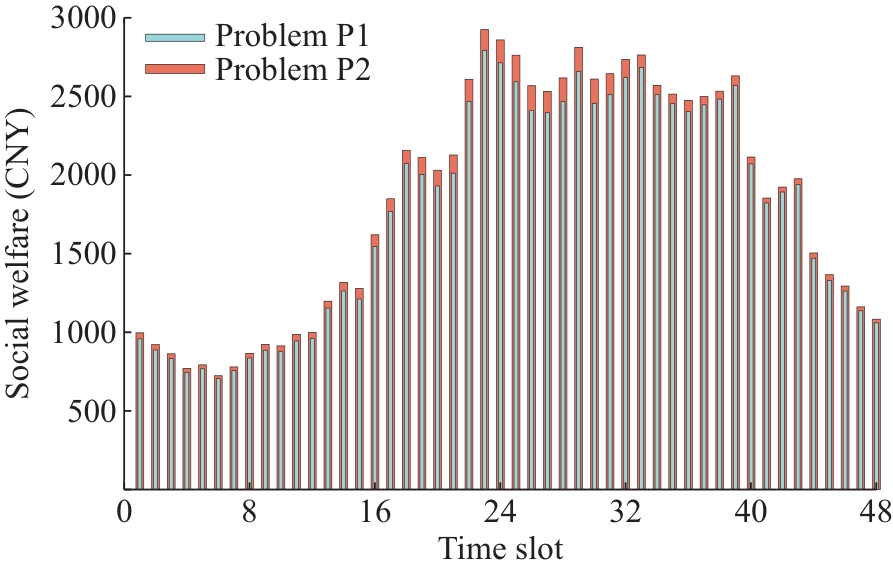
The increasing electricity demand imposes higher requirements on the power system to generate electricity and balance the supply and demand. The unit commitment problem is critical in power systems for determining the generation schedules and market prices. However, its inherent nonconvexity and discontinuity pose significant challenges to efficient pricing. The convex hull method addresses this nonconvexity by taking the slope of the convex envelope of cost function for generating units over the convex hull of the feasible set as the price. Nevertheless, due to the nonsmoothness, the convex hull price cannot be computed by using the gradient-based methods, which increases the computational complexity. Smoothing techniques provide an effective way by converting the nonsmooth problem into a smooth one, which enhances the computational efficiency. This paper proposes a real-time pricing scheme for the smart grid that incorporates renewable energy generation and energy storage devices on the demand side and multiple generating units on the supply side. Considering the dynamic demand of users and startup costs of generating units, a social welfare maximization model is formulated. By employing the convex hull method, the convex envelopes of the cost functions for generating units are derived. The smoothing technique is then employed to convert the original model into a smooth one. Furthermore, a distributed iterative algorithm on the basis of gradient projection method is developed by leveraging the separable structure of the variables to solve the model efficiently. Simulation results validate the feasibility and effectiveness of the convex hull method for real-time pricing in smart grid with multiple generating units via smoothing technique.
- 1
- 2
- 3
- 4
- 5
- 6
- 7
- 8
- 9
- 10
- 11
- 12
- 13
-
Liang Shao, Xiaoru Zhang, Yusheng Xue, Life, Zongqiang Zheng, Feng Xue, Fushuan Wen
2026,14(5):1921-1932, DOI: 10.35833/MPCE.2025.000669
Abstract:
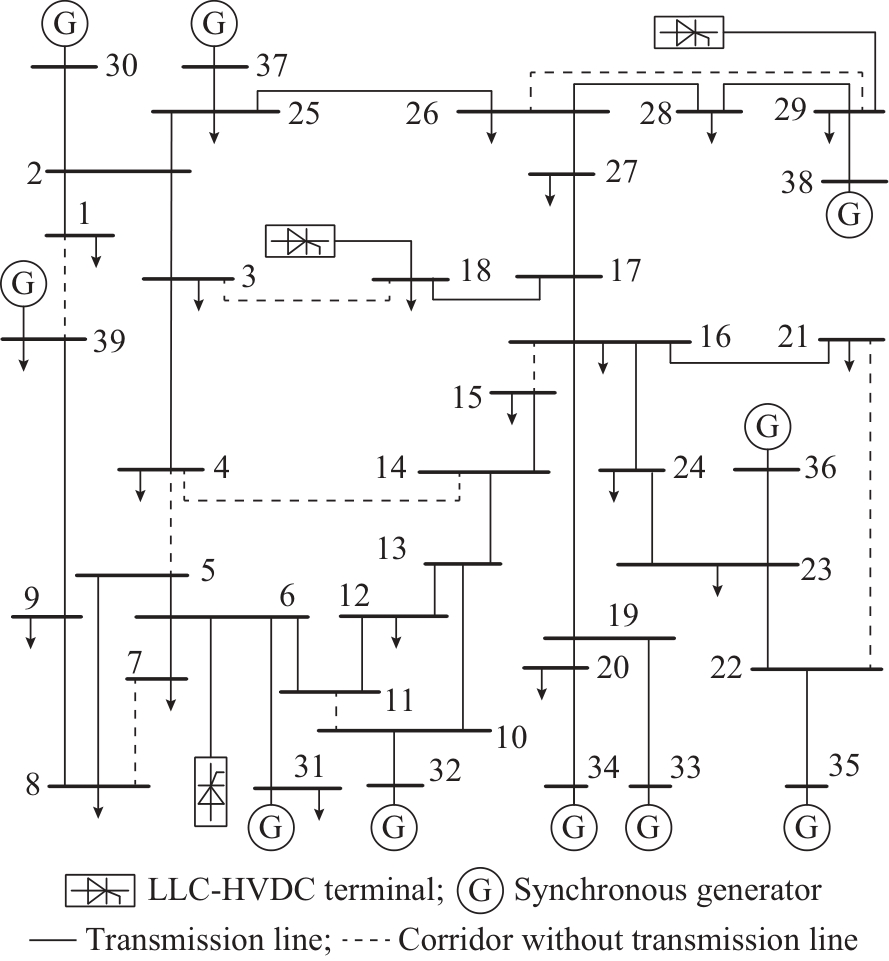
Line-commutated converter based high-voltage direct current (LCC-HVDC) systems may diminish the power grid strength, potentially precipitating static voltage stability issues. To maintain the required level of power grid strength while minimizing the total system cost, this paper proposes a coordinated expansion planning framework for multi-infeed LCC-HVDC (MI-HVDC) systems that explicitly incorporates generalized short-circuit ratio (gSCR) constraints. Specifically, the gSCR requirement is innovatively formulated as a semidefinite constraint, and the proposed framework is reformulated as a mixed-integer semidefinite programming (MISDP) model to guarantee the global optimality. Then, to address the computational intractability of the MISDP model, a generalized Benders decomposition (GBD)-based approach is employed for efficient solution. Time-domain simulations conducted in PSCAD/EMTDC demonstrate the effectiveness of the proposed framework in enhancing the voltage stability of MI-HVDC systems.
- 1
- 2
- 3
- 4
- 5
- 6
- 7
- 8
Volume 14, Issue 5, 2026
>Review
>Original Paper
























Themed Collections
-
Pengfei Zhao, Weihao Hu, Di Cao, Zhaochen Dong, Yaqi Zeng, Qi Huang, Zhe Chen
2026,14(3):791-809, DOI: 10.35833/MPCE.2025.000740
Abstract:
Electrical load forecasting (ELF) plays a critical role in the planning and operation of modern power systems. As energy demand patterns grow more complex, deep learning (DL) techniques, and more recently, foundation models (FMs), have emerged as powerful tools for modeling temporal dynamics and integrating heterogeneous inputs. In practice, the effectiveness of these models depends not only on their architectures but also on the learning paradigms that determine how they are trained, adapted, and deployed. However, most existing surveys focus solely on network architectures, with limited attention to the underlying paradigms. To this end, we survey the DL-based ELF from perspectives of learning paradigms and FMs. It organizes the literature into four orthogonal paradigms: task-tuned offline learning, adaptive DL, collaborative DL, and general-purpose DL. This paradigm-centric perspective enables a unified understanding of how DL methods evolve to meet the challenges of ELF. It also provides a natural framework to incorporate FMs as the latest advancement in this trajectory. Finally, key challenges are provided, and research opportunities are highlighted to inform future directions.
- 1
-
Xiyuan Zhou, Yan Xu, Junhua Zhao, Rui Zhang
2026,14(3):773-790, DOI: 10.35833/MPCE.2025.000760
Abstract:
Modern power systems are evolving due to increasing penetration of renewable energy sources, deeper participation of the demand side, and widespread deployment of advanced information and digital technologies. As a result, system operation and control are becoming increasingly challenging. Large language models (LLMs), with their advanced capabilities in semantic understanding and knowledge reasoning, offer a promising tool to support the operation, control, analysis, and decision-making of power systems. This paper provides a comprehensive review of LLM applications in power systems, encompassing four representative application domains: power grid, power equipment, demand side, and electricity market and policy-making. Based on the functional roles and implementations of LLMs, four major application strategies are identified: model adaptation, capability enhancement, multimodality integration, and multi-agent coordination. In addition, the core functions, representative methods, and evolving trends of LLM applications are reviewed across different domains. Finally, key challenges in applying LLMs to power systems are discussed, and future research directions are outlined with regard to ensuring physical feasibility, enhancing data efficiency and privacy, and improving interpretability and rationality.
- 1
-
Lei Chen, Tianhao Wen, Yuqing Lin, Yang Liu, Yingjie Qin, Qing-Hua Wu
2026,14(2):466-477, DOI: 10.35833/MPCE.2024.001166
Abstract:
The traditional power system dominated by synchronous generators is gradually evolving into a modern power system featured by high-penetrated renewable energy. As a key technology for high-penetrated renewable energy, the grid-forming voltage source converter (GFM-VSC) has received increasing attention. However, the large-disturbance stability analysis of power systems with multiple GFM-VSCs is still a challenging problem due to various limitations of existing methods, including huge computational burden and difficulty in considering network losses. This paper is intended to address these issues from the perspective of reduced-order modeling and domain of attraction (DA) estimation. The innovations involve three aspects. First, the reduced-order modeling method for power systems with multiple GFM-VSCs is proposed using the standard dual-time-scale model in singular perturbation theory. Second, an expanding annular domain (EAD) algorithm is developed to estimate the DA with an entire boundary to analyze the large-disturbance stability of power systems. Third, the conditions of using the reduced-order modeling method based on singular perturbation theory have been clarified. The validity of the reduced-order modeling method is illustrated on a modified 39-bus system with 10 GFM-VSCs.
- 1
-
Jaume Girona-Badia, Juan Carlos Olives-Camps, Vinicius Albernaz Lacerda, Eduardo Prieto-Araujo, Oriol Gomis-Bellmunt
2026,14(2):430-441, DOI: 10.35833/MPCE.2025.000144
Abstract:
This paper analyzes the effect of a frequency estimator in a grid-forming (GFM) synchronization control on the stability and control performance. GFM control for power converters has been proposed as a promising solution to enhance the stability and resilience of electrical systems dominated by power electronics. However, no consensus has been reached on the control structure for this operation mode. Moreover, the interactions between different GFM schemes and frequency estimators are not completely defined in the literature. In this paper, the effect of adding a frequency estimator to the two main industry-class synchronization controls, i.e., droop and virtual synchronous machine (VSM), is studied. Additionally, different AC voltage measurement points, tuning, and structures of frequency estimator are considered. Two distinct analyses are performed to discuss the characteristics of different configurations①
an analytical study on the control performance of different configurations, and ②a small-signal analysis to ensure system stability. Finally, the results are validated using dynamic simulations, followed by a discussion. This paper concludes that the droop should be avoided when applying a frequency estimator, and other structures such as the VSM are more desirable. - 1
-
Jianlin Li, Zelin Shi, Zhonghao Liang
2026,14(2):399-415, DOI: 10.35833/MPCE.2025.000608
Abstract:
With the increasing integration of large-scale renewable energy (RE) sources into power systems, electricity-hydrogen coupling system has emerged as a transformative solution through flexible energy conversion and complementary utilization of electricity and hydrogen. It effectively addresses structural challenges in conventional energy systems regarding spatiotemporal regulation, environmental constraints, and supply security while creating significant opportunities in technological innovation and industrial transformation, accelerating the transition from traditional fossil fuels to clean energy. This paper reviews the strengths and limitations of the electricity-hydrogen coupling system in production, storage, and utilization in scenarios of high RE penetration. It examines the architectural frameworks and current development status of key technologies within the electricity-hydrogen coupling system, and builds on their operational characteristics across multiple timescales to analyze both short-term energy balance control and medium- and long-term optimal dispatch. This paper further investigates representative application scenarios, systematically evaluates demonstration projects deployed, and critically analyzes prevailing challenges alongside prospective research pathways.
- 1
-
Huangqing Xiao, Huichen Gan, Ying Huang, Lidong Zhang, Ping Yang
2026,14(2):383-398, DOI: 10.35833/MPCE.2025.000269
Abstract:
The rapid development of large-scale offshore wind power (OWP) calls for more cost-effective and reliable collection and transmission technologies. This paper explores three emerging collection technologies: medium-frequency alternating current (AC) collection, direct current (DC) collection, and AC collection without substation; and three transmission technologies: voltage source converter-based high-voltage direct current based on compact modular multilevel converters (MMCs), diode rectifier unit (DRU) based high-voltage direct current (DRU-HVDC), and high-voltage direct current (HVDC) based on hybrid converters. It systematically reviews recent research advancements in these technologies, analyzes critical technical challenges, and identifies key future development trends, providing practical insights to guide the design and optimization of OWP projects. At the collection level, a higher frequency reduces the size of critical equipment in offshore platforms but also leads to increased cable costs. DC offshore wind farms offer advantages such as lower cable costs. However, the design of high-power DC transformers presents challenges. At the transmission level, the size and weight of MMCs can be minimized through topology improvement and control optimization. The practical deployment of DRUs and HVDC systems depends on the technology maturity of grid-forming wind turbines. Moreover, critical aspects of hybrid converters such as capacity design, coordinated control, and stability analysis require further in-depth investigation.
- 1
-
Ricardo J. Bessa, Spyros Chatzivasileiadis, Ning Zhang, Chongqing Kang, Nikos Hatziargyriou
2026,14(1):23-36, DOI: 10.35833/MPCE.2025.000990
Abstract:
This paper provides an overview of the application potential of artificial intelligence (AI) in power systems and points towards prospective developments in the fields of AI that are promised to play a transformative role in the evolution of power systems. Among the basic requirements, also imposed by regulation in some places, are trustworthiness and interpretability. Large language models, foundation models, as well as neuro-symbolic and compound AI models, appear to be the most promising emerging AI paradigms. Finally, the trajectories along which the future of AI in power systems might evolve are discussed, and conclusions are drawn.
- 1
-
2026,14(1):1-6, DOI: 10.35833/MPCE.2025.001004
Abstract:
This paper tries to summarize the attempts to apply artificial intelligence (AI) to power systems, particularly power system planning and operations which require significant computer analysis. Although the term AI was coined earlier, this paper considers the beginning to be in the 1980s when the first expert systems were applied to power engineering. Of course, many of the analytical techniques applied can be traced to earlier statistical analysis and pattern recognition. The concept of expert systems was very much in line with the concept of AI. The various methods for applying AI to power systems are traced here. The historical journey in this paper closes with the great explosion of AI applications in the last decade when almost all power system analysis is trying to utilize AI techniques to help the transformation of the power system into a more efficient and carbon-free system. This proliferation of research in the application of AI is covered in the other papers in this series.
- 1
-
Om Malik, Jay Liu, Marcelo Simões, Chris Dent, Kai Strunz, Jeffrey Wischkaemper, Vladimiro Miranda, Trevor Gaunt, Math Bollen, Mladen Kezunovic, Daniel Kirschen, Antonio Gomez-Exposito, Robin Podmore, Harold Kirkham, Panayiotis Moutis, Anjan Bose, Ian Hiskens, Gene Preston, Canbing Li, Hasala Dharmawardena, Alexandra von Meier, Leigh Tesfatsion, Paulo Ribeiro
2025,13(6):1845-1853, DOI: 10.35833/MPCE.2025.000807
Abstract:
This paper captures an engaging— and at times heated—Power-Globe (PG) discussion of evolving definitions of smart grid technologies. The exchange took place between December 2024 and January 2025. The primary objective of this paper is to clarify some of the ambiguities surrounding the term “ smart grid” over the past two decades, as highlighted in the spirited PG debate. “ Smart grid” has sometimes been advocated as a panacea to resolve the tension between competing objectives for the provision of electricity (specifically, making it reliable, clean, and affordable). This paper examines the term “ smart grid” in terms of raw technical functionalities, applications, and use cases, some of which may get closer than others to meeting the aspirational promises. While smart technology should expand our menu of options, it will not absolve us of the need to make hard decisions. - 1
-
Yanghao Yu, Haiyang Jiang, Ning Zhang, Pei Yong, Fei Teng, Jiawei Zhang, Yating Wang, Goran Strbac
2025,13(5):1593-1603, DOI: 10.35833/MPCE.2024.001101
Abstract:
Adequacy is a key concern of power system planning, which refers to the availability of sufficient facilities to meet demand. The capacity value (CV) of variable renewable energy (VRE) generation represents its equivalent contribution to system adequacy, in comparison to conventional generators. While VRE continues to grow and increasingly dominates the generation portfolio, its CV is becoming non-negligible, with the corresponding impact mechanisms becoming more complicated and nuanced. In this paper, the concept of CV is revisited by analyzing how VRE contributes to power system balancing at a high renewable energy penetration level. A generalized loss function is incorporated into the CV evaluation framework considering the adequacy of the power system. An analytical method for the CV evaluation of VRE is then derived using the statistical properties of both hourly load and VRE generation. Through the explicit CV expression, several critical impact factors, including the VRE generation variance, source-load correlation, and system adequacy level, are identified and discussed. Case studies demonstrate the accuracy and effectiveness of the proposed method in comparison to the traditional capacity factor-based methods and convolution-based methods. In the IEEE-RTS79 test system, the CV of a 2500 MW wind farm (with 40% renewable energy penetration level) is found to be 6.8% of its nameplate capacity. Additionally, the sensitivity of CV to various impact factors in power systems with high renewable energy penetration is analyzed.
- 1
-
Damià Gomila, Benjamín A. Carreras, José-Miguel Reynolds-Barredo, María Martínez-Barbeito, Pere Colet, Oriol Gomis-Bellmunt
2025,13(5):1556-1567, DOI: 10.35833/MPCE.2024.000768
Abstract:
The utilization of high-voltage direct current (HVDC) lines for the segmentation of the European power grid has been demonstrated to be a highly effective strategy for the mitigation of the risk of cascading blackouts. In this study, an accurate and efficient method for determining the optimal power flow through HVDC lines is presented, with the objective of minimizing load shedding. The proposed method is applied to two distinct scenarios: first, the segmentation of the power grid along the Pyrenees, with the objective of segmenting the Iberian Peninsula from the rest of Europe; and second, the segmentation of the power grid into Eastern and Western Europe, approximately in half. In both scenarios, the method effectively reduces the size of blackouts impacting both sides of the HVDC lines, resulting in a 46% and 67% reduction in total blackout risk, respectively. Furthermore, we have estimated the cost savings from risk reduction and the expenses associated with converting conventional lines to HVDC lines. Our findings indicate that segmenting the European power grid with HVDC lines is economically viable, particularly for segmenting the Iberian Peninsula, due to its favorable cost-risk reduction ratio.
- 1
-
Mingyu Yang, Yusheng Xue, Bin Cai, Feng Xue
2025,13(5):1481-1494, DOI: 10.35833/MPCE.2024.001135
Abstract:
Planning the low-carbon transition pathway of the power sector to meet the carbon neutrality goal poses a significant challenge due to the complex interplay of temporal, spatial, and cross-domain factors. A novel framework is proposed, grounded in the cyber-physical-
social system in energy (CPSSE) and whole-reductionism thinking (WRT), incorporating a tailored mathematical model and optimization method to formalize the co-optimization of carbon reduction and carbon sequestration in the power sector. Using the carbon peaking and carbon neutrality transition of China as a case study, clustering method is employed to construct a diverse set of strategically distinct carbon trajectories. For each trajectory, the evolution of the generation mix and the deployment pathways of carbon capture and storage (CCS) technologies are analyzed, identifying the optimal transition pathway based on the criterion of minimizing cumulative economic costs. Further, by comparing non-fossil energy substitution and CCS retrofitting in thermal power, the analysis highlights the potential for co-optimization of carbon reduction and carbon sequestration. The results demonstrate that leveraging the spatiotemporal complementarities between the two can substantially lower the economic cost of achieving carbon neutrality, providing insights for integrated decarbonization strategies in power system planning. - 1
-
Francisco S. Fernandes, Ricardo J. Bessa, João Peças Lopes
2025,13(4):1113-1126, DOI: 10.35833/MPCE.2024.000478
Abstract:
In a high-risk sector, such as power system, transparency and interpretability are key principles for effectively deploying artificial intelligence (AI) in control rooms. Therefore, this paper proposes a novel methodology, the evolving symbolic model (ESM), which is dedicated to generating highly interpretable data-driven models for dynamic security assessment (DSA), namely in system security classification (SC) and the definition of preventive control actions. The ESM uses simulated annealing for a data-driven evolution of a symbolic model template, enabling different cooperative learning schemes between humans and AI. The Madeira Island power system is used to validate the application of the ESM for DSA. The results show that the ESM has a classification accuracy comparable to pruned decision trees (DTs) while boasting higher global interpretability. Moreover, the ESM outperforms an operator-defined expert system and an artificial neural network in defining preventive control actions.
- 1
-
Zhiyuan Meng, Xiangyang Xing, Xiangjun Li, Jiadong Sun
2025,13(3):1064-1077, DOI: 10.35833/MPCE.2024.000404
Abstract:
The virtual synchronous generator (VSG), utilized as a control strategy for grid-forming inverters, is an effective method of providing inertia and voltage support to the grid. However, the VSG exhibits limited capabilities in low-voltage ride-through (LVRT) mode. Specifically,the slow response of the power loop poses challenges for VSG in grid voltage support and increases the risk of overcurrent, potentially violating present grid codes. This paper reveals the mechanism behind the delayed response speed of VSG control during the grid faults. On this basis, a compound compensation control strategy is proposed for improving the LVRT capability of the VSG, which incorporates adaptive frequency feedforward compensation (AFFC), direct power angle compensation (DPAC), internal potential compensation (IPC), and transient virtual impedance (TVI), effectively expediting the response speed and reducing transient current. Furthermore, the proposed control strategy ensures that the VSG operates smoothly back to its normal control state following the restoration from the grid faults. Subsequently, a large-signal model is developed to facilitate parameter design and stability analysis, which incorporates grid codes and TVI. Finally, the small-signal stability analysis and simulation and experimental results prove the correctness of the theoretical analysis and the effectiveness of the proposed control strategy.
- 1
-
Zhe Chen, Zhihao Li, Da Lin, Changjun Xie, Zhewei Wang
2025,13(3):904-914, DOI: 10.35833/MPCE.2024.000606
Abstract:
Hybrid energy storage is considered as an effective means to improve the economic and environmental performance of integrated energy systems (IESs). Although the optimal scheduling of IES has been widely studied, few studies have taken into account the property that the uncertainty of the forecasting error decreases with the shortening of the forecasting time scale. Combined with hybrid energy storage, the comprehensive use of various uncertainty optimization methods under different time scales will be promising. This paper proposes a multi-time-scale optimal scheduling method for an IES with hybrid energy storage under wind and solar uncertainties. Firstly, the proposed system framework of an IES including electric-thermal-hydrogen hybrid energy storage is established. Then, an hour-level robust optimization based on budget uncertainty set is performed for the day-ahead stage. On this basis, a scenario-based stochastic optimization is carried out for intra-day and real-time stages with time intervals of 15 min and 5 min, respectively. The results show that ①
the proposed method improves the economic benefits, and the intra-day and real-time scheduling costs are reduced, respectively; ②by adjusting the uncertainty budget in the model, a flexible balance between economic efficiency and robustness in day-ahead scheduling can be achieved; ③reasonable design of the capacity of electric-thermal-hydrogen hybrid energy storage can significantly reduce the electricity curtailment rate and carbon emissions, thus reducing the cost of system scheduling. - 1
-
Jalal Sahebkar Farkhani, Özgür Çelik, Kaiqi Ma, Claus Leth Bak, Zhe Chen
2025,13(3):840-851, DOI: 10.35833/MPCE.2023.000925
Abstract:
Traditional protection methods are not suitable for hybrid (cable and overhead) transmission lines in voltage source converter based high-voltage direct current (VSC-HVDC) systems. Accordingly, this paper presents the robust fault detection, classification, and location based on the empirical wavelet transform-Teager energy operator (EWT-TEO) and artificial neural network (ANN) for hybrid transmission lines in VSC-HVDC systems. The operational scheme of the proposed protection method consists of two loops ①
an EWT-TEO based feature extraction loop, ②and an ANN-based fault detection, classification, and location loop. Under the proposed protection method, the voltage and current signals are decomposed into several sub-passbands with low and high frequencies using the empirical wavelet transform (EWT) method. The energy content extracted by the EWT is fed into the ANN for fault detection, classification, and location. Various fault cases, including the high-impedance fault (HIF) as well as noises, are performed to train the ANN with two hidden layers. The test system and signal decomposition are conducted by PSCAD/EMTDC and MATLAB, respectively. The performance of the proposed protection method is compared with that of the traditional non-pilot traveling wave (TW) based protection method. The results confirm the high accuracy of the proposed protection method for hybrid transmission lines in VSC-HVDC systems, where a mean percentage error of approximately 0.1% is achieved. - 1
-
Linguang Wang, Xiaorong Xie, Wenkai Dong, Yong Mei, Aoyu Lei
2025,13(3):747-756, DOI: 10.35833/MPCE.2024.000630
Abstract:
With the rapid integration of renewable energy, wide-band oscillations caused by interactions between power electronic equipment and grids have emerged as one of the most critical stability issues. Existing methods are usually studied for local power systems with around one hundred nodes. However, for a large-scale power system with tens of thousands of nodes, the dimension of transfer function matrix or the order of characteristic equation is much higher. In this case, the existing methods such as eigenvalue analysis method and impedance-based method have difficulty in computation and are thus hard to utilize in practice. To fill this gap, this paper proposes a novel method named the smallest eigenvalues based logarithmic derivative (SELD) method. It obtains the dominant oscillation modes by the logarithmic derivative of the k-smallest eigenvalue curves of the sparse extended nodal admittance matrix (NAM). An oscillatory stability analysis tool is further developed based on this method. The effectiveness of the method and the tool is validated through a local power system as well as a large-scale power system.
- 1
-
Wenping Qin, Xiaozhou Li, Xing Jing, Zhilong Zhu, Ruipeng Lu, Xiaoqing Han
2025,13(2):675-687, DOI: 10.35833/MPCE.2024.000118
Abstract:
The virtual power plant (VPP) facilitates the coordinated optimization of diverse forms of electrical energy through the aggregation and control of distributed energy resources (DERs), offering as a potential resource for frequency regulation to enhance the power system flexibility. To fully exploit the flexibility of DER and enhance the revenue of VPP, this paper proposes a multi-temporal optimization strategy of VPP in the energy-frequency regulation (EFR) market under the uncertainties of wind power (WP), photovoltaic (PV), and market price. Firstly, all schedulable electric vehicles (EVs) are aggregated into an electric vehicle cluster (EVC), and the schedulable domain evaluation model of EVC is established. A day-ahead energy bidding model based on Stackelberg game is also established for VPP and EVC. Secondly, on this basis, the multi-temporal optimization model of VPP in the EFR market is proposed. To manage risks stemming from the uncertainties of WP, PV, and market price, the concept of conditional value at risk (CVaR) is integrated into the strategy, effectively balancing the bidding benefits and associated risks. Finally, the results based on operational data from a provincial electricity market demonstrate that the proposed strategy enhances comprehensive revenue by providing frequency regulation services and encouraging EV response scheduling.
- 1
-
Ji-Soo Kim, Jin-Sol Song, Chul-Hwan Kim, Jean Mahseredjian, Seung-Ho Kim
2025,13(2):622-636, DOI: 10.35833/MPCE.2023.000723
Abstract:
To address environmental concerns, there has been a rapid global surge in integrating renewable energy sources into power grids. However, this transition poses challenges to grid stability. A prominent solution to this challenge is the adoption of battery energy storage systems (BESSs). Many countries are actively increasing BESS deployment and developing new BESS technologies. Nevertheless, a crucial initial step is conducting a comprehensive analysis of BESS capabilities and subsequently formulating policies. We analyze the current roles of BESS and review existing BESS policies worldwide, which focuses on key markets in Asia, Europe, and the U.S.. Using collected survey data, we propose a comprehensive three-phase framework for policy formulation, providing insights into future policy development directions.
- 1
-
Shengren Hou, Edgar Mauricio Salazar, Peter Palensky, Qixin Chen, Pedro P. Vergara
2025,13(2):597-608, DOI: 10.35833/MPCE.2024.000391
Abstract:
The optimal dispatch of energy storage systems (ESSs) in distribution networks poses significant challenges, primarily due to uncertainties of dynamic pricing, fluctuating demand, and the variability inherent in renewable energy sources. By exploiting the generalization capabilities of deep neural networks (DNNs), the deep reinforcement learning (DRL) algorithms can learn good-quality control models that adapt to the stochastic nature of distribution networks. Nevertheless, the practical deployment of DRL algorithms is often hampered by their limited capacity for satisfying operational constraints in real time, which is a crucial requirement for ensuring the reliability and feasibility of control actions during online operations. This paper introduces an innovative framework, named mixed-integer programming based deep reinforcement learning (MIP-DRL), to overcome these limitations. The proposed MIP-DRL framework can rigorously enforce operational constraints for the optimal dispatch of ESSs during the online execution. This framework involves training a Q-function with DNNs, which is subsequently represented in a mixed-integer programming (MIP) formulation. This unique combination allows for the seamless integration of operational constraints into the decision-making process. The effectiveness of the proposed MIP-DRL framework is validated through numerical simulations, demonstrating its superior capability to enforce all operational constraints and achieve high-quality dispatch decisions and showing its advantage over existing DRL algorithms.
- 1
-
Wang Xiang, Mingrui Yang, Jinyu Wen
2025,13(2):452-461, DOI: 10.35833/MPCE.2024.000229
Abstract:
Conventional offshore wind farm (OWF) integration systems typically employ AC cables to gather power to a modular multilevel converter (MMC) platform, subsequently delivering it to onshore grids through high-voltage direct current (HVDC) transmission. However, scaling up the capacity of OWFs introduces significant challenges due to the high costs associated with AC collection cables and offshore MMC platforms. This paper proposes a diode rectifier (DR)-MMC hub based hybrid AC/DC collection and HVDC transmission system for large-scale offshore wind farms. The wind farms in proximity to the offshore converter platform utilize AC collection, while distant wind farms connect to the platform using DC collection. The combined AC/DC power is then transmitted to the offshore DR-MMC hub platform. The topology and operation principle of the DR-MMC hub as well as the integration system are presented. Based on the operational characteristics, the capacity design method for DR-MMC hub is proposed. And the control and startup strategies of the integration system are designed. Furthermore, an economic comparison with the conventional MMC-HVDC based offshore wind power integration system is conducted. Finally, the technical feasibility of the proposed integration scheme is verified through PSCAD/EMTDC simulation with the integration scale of 2 GW.
- 1
-
Wei Kong, Kai Sun, Jinghong Zhao
2025,13(1):276-288, DOI: 10.35833/MPCE.2023.001027
Abstract:
The hydrogen energy storage system (HESS) integrated with renewable energy power generation exhibits low reliability and flexibility under source-load uncertainty. To address the above issues, a two-stage optimal scheduling model considering the operation sequences of HESSs is proposed for commercial community integrated energy systems (CIESs) with power to hydrogen and heat (P2HH) capability. It aims to optimize the energy flow of HESS and improve the flexibility of hydrogen production and the reliability of energy supply for loads. First, the refined operation model of HESS is established, and its operation model is linearized according to the operation domain of HESS, which simplifies the difficulty of solving the optimization problem under the premise of maintaining high approximate accuracy. Next, considering the flexible start-stop of alkaline electrolyzer (AEL) and the avoidance of multiple energy conversions, the operation sequences of HESS are formulated. Finally, a two-stage optimal scheduling model combining day-ahead economic optimization and intra-day rolling optimization is established, and the model is simulated and verified using the source-load prediction data of typical days in each season. The simulation results show that the two-stage optimal scheduling reduces the total load offset by about 14% while maintaining similar operating cost to the optimal day-ahead economic optimization scheduling. Furthermore, by formulating the operation sequences of HESS, the operating cost of CIES is reduced by up to about 4.4%.
- 1
-
2025,13(1):179-189, DOI: 10.35833/MPCE.2023.000624
Abstract:
With photovoltaic (PV) sources becoming more prevalent in the energy generation mix, transitioning grid-connected PV systems from grid-following (GFL) mode to grid-forming (GFM) mode becomes essential for offering self-synchronization and active support services. Although numerous GFM methods have been proposed, the potential of DC voltage control malfunction during the provision of the primary and inertia support in a GFM PV system remains insufficiently researched. To fill the gap, some main GFM methods have been integrated into PV systems featuring detailed DC source dynamics. We conduct a comparative analysis of their performance in active support and DC voltage regulation. AC GFM methods such as virtual synchronous machine (VSM) face a significant risk of DC voltage failure in situations like alterations in solar radiation, leading to PV system tripping and jeopardizing local system operation. In the case of DC GFM methods such as matching control (MC), the active support falls short due to the absence of an accurate and dispatchable droop response. To address the issue, a matching synchronous machine (MSM) control method is developed to provide dispatchable active support and enhance the DC voltage dynamics by integrating the MC and VSM control loops. The active support capability of the PV systems with the proposed method is quantified analytically and verified by numerical simulations and field tests.
- 1
-
Francisco Jesús Matas-Díaz, Manuel Barragán-Villarejo, José María Maza-Ortega
2025,13(1):102-114, DOI: 10.35833/MPCE.2024.000316
Abstract:
The integration of converter-interfaced generators (CIGs) into power systems is rapidly replacing traditional synchronous machines. To ensure the security of power supply, modern power systems require the application of grid-forming technologies. This study presents a systematic small-signal analysis procedure to assess the synchronization stability of grid-forming virtual synchronous generators (VSGs) considering the power system characteristics. Specifically, this procedure offers guidance in tuning controller gains to enhance stability. It is applied to six different grid-forming VSGs and experimentally tested to validate the theoretical analysis. This study concludes with key findings and a discussion on the suitability of the analyzed grid-forming VSGs based on the power system characteristics.
- 1
-
Yanqiu Jin, Zheren Zhang, Zheng Xu
2025,13(1):87-101, DOI: 10.35833/MPCE.2024.000432
Abstract:
This study analyzes the stability and reactive characteristics of the hybrid offshore wind farm that includes grid-forming (GFM) and grid-following (GFL) wind turbines (WTs) integrated with a diode rectifier unit (DRU) based high-voltage direct current (HVDC) system. The determination method for the proportion of GFM WTs is proposed while considering system stability and optimal offshore reactive power constraints. First, the small-signal stability is studied based on the developed linear model, and crucial factors that affect the stability are captured by eigenvalue analysis. The reactive power-frequency compensation control of GFM WTs is then proposed to improve the reactive power and frequency dynamics. Second, the relationship between offshore reactive power imbalance and the effectiveness of GFM capability is analyzed. Offshore reactive power optimization methods are next proposed to diminish offshore reactive load. These methods include the optimal design for the reactive capacity of the AC filter and the reactive power compensation control of GFL WTs. Third, in terms of stability and optimal offshore reactive power constraints, the principle and calculation method for determining the proportion of GFM WTs are proposed, and the critical proportion of GFM WTs is determined over the full active power range. Finally, case studies using a detailed model are conducted by time-domain simulations in PSCAD/EMTDC. The simulations verify the theoretical analysis results and the effectiveness of the proposed determination method for the proportion of GFM WTs and reactive power optimization methods.
- 1
-
Hang Shuai, Buxin She, Jinning Wang, Fangxing Li
2025,13(1):79-86, DOI: 10.35833/MPCE.2023.000882
Abstract:
This study investigates a safe reinforcement learning algorithm for grid-forming (GFM) inverter based frequency regulation. To guarantee the stability of the inverter-based resource (IBR) system under the learned control policy, a model-based reinforcement learning (MBRL) algorithm is combined with Lyapunov approach, which determines the safe region of states and actions. To obtain near optimal control policy, the control performance is safely improved by approximate dynamic programming (ADP) using data sampled from the region of attraction (ROA). Moreover, to enhance the control robustness against parameter uncertainty in the inverter, a Gaussian process (GP) model is adopted by the proposed algorithm to effectively learn system dynamics from measurements. Numerical simulations validate the effectiveness of the proposed algorithm.
- 1
-
Ghazala Shafique, Johan Boukhenfouf, François Gruson, Frédéric Colas, Xavier Guillaud
2025,13(1):66-78, DOI: 10.35833/MPCE.2024.000822
Abstract:
Grid-forming (GFM) converters are recognized for their stabilizing effects in renewable energy systems. Integrating GFM converters into high-voltage direct current (HVDC) systems requires DC voltage control. However, there can be a conflict between GFM converter and DC voltage control when they are used in combination. This paper presents a rigorous control design for a GFM converter that connects the DC-link voltage to the power angle of the converter, thereby integrating DC voltage control with GFM capability. The proposed control is validated through small-signal and transient-stability analyses on a modular multilevel converter (MMC)-based HVDC system with a point-to-point (P2P) GFM-GFM configuration. The results demonstrate that employing a GFM-GFM configuration with the proposed control enhances the stability of the AC system to which it is connected. The system exhibits low sensitivity to grid strength and can sustain islanding conditions. The high stability limit of the system with varying grid strength using the proposed control is validated using a system with four voltage source converters.
- 1
-
Qianhong Shi, Wei Dong, Guanzhong Wang, Junchao Ma, Chenxu Wang, Xianye Guo, Vladimir Terzija
2025,13(1):55-65, DOI: 10.35833/MPCE.2024.000759
Abstract:
Oscillations caused by small-signal instability have been widely observed in AC grids with grid-following (GFL) and grid-forming (GFM) converters. The generalized short-circuit ratio is commonly used to assess the strength of GFL converters when integrated with weak AC systems at risk of oscillation. This paper provides the grid strength assessment method to evaluate the small-signal synchronization stability of GFL and GFM converters integrated systems. First, the admittance and impedance matrices of the GFL and GFM converters are analyzed to identify the frequency bands associated with negative damping in oscillation modes dominated by heterogeneous synchronization control. Secondly, based on the interaction rules between the short-circuit ratio and the different oscillation modes, an equivalent circuit is proposed to simplify the grid strength assessment through the topological transformation of the AC grid. The risk of sub-synchronization and low-frequency oscillations, influenced by GFL and GFM converters, is then reformulated as a semi-definite programming (SDP) model, incorporating the node admittance matrix and grid-connected device capacities. The effectiveness of the proposed method is demonstrated through a case analysis.
- 1
-
Ni Liu, Hong Wang, Weihua Zhou, Jie Song, Yiting Zhang, Eduardo Prieto-Araujo, Zhe Chen
2025,13(1):15-28, DOI: 10.35833/MPCE.2023.000842
Abstract:
With the increase of the renewable energy generator capacity, the requirements of the power system for grid-connected converters are evolve, which leads to diverse control schemes and increased complexity of systematic stability analysis. Although various frequency-domain models are developed to identify oscillation causes, the discrepancies between them are rarely studied. This study aims to clarify these discrepancies and provide circuit insights for stability analysis by using different frequency-domain models. This study emphasizes the limitations of assuming that the transfer function of the self-stable converter does not have right half-plane (RHP) poles. To ensure that the self-stable converters are represented by a frequency-domain model without RHP poles, the applicability of this model of grid-following (GFL) and grid-forming (GFM) converters is discussed. This study recommends that the GFM converters with ideal sources should be represented in parallel with the
- 1
-
Haiyu Zhao, Hongyu Zhou, Wei Yao, Qihang Zong, Jinyu Wen
2025,13(1):3-14, DOI: 10.35833/MPCE.2024.000722
Abstract:
Grid-following voltage source converter (GFL-VSC) and grid-forming voltage source converter (GFM-VSC) have different dynamic characteristics for active power-frequency and reactive power-voltage supports of the power grid. This paper aims to clarify and recognize the difference between grid-following (GFL) and grid-forming (GFM) frequency-voltage support more intuitively and clearly. Firstly, the phasor model considering circuit constraints is established based on the port circuit equations of the converter. It is revealed that the voltage and active power linearly correspond to the horizontal and vertical axes in the phasor space referenced to the grid voltage phasor. Secondly, based on topological homology, GFL and GFM controls are transformed and mapped into different trajectories. The topological similarity of the characteristic curves for GFL and GFM controls is the essential cause of their uniformity. Based on the above model, it is indicated that GFL-VSC and GFM-VSC possess uniformity with regard to active power response, type of coupling, and phasor trajectory. They differ in synchronization, power coupling mechanisms, dynamics, and active power-voltage operation domain in the quasi-steady state. Case studies are undertaken on GFL-VSC and GFM-VSC integrated into a four-machine two-area system. Simulation results verify that the dynamic uniformity and difference of GFL-VSC and GFM-VSC are intuitively and comprehensively revealed.
- 1
-
Sheng Chen, Jingchun Zhang, Zhinong Wei, Hao Cheng, Si Lv
2024,12(6):1697-1709, DOI: 10.35833/MPCE.2023.000887
Abstract:
Green hydrogen represents an important energy carrier for global decarbonization towards renewable-dominant energy systems. As a result, an escalating interdependency emerges between multi-energy vectors. Specifically, the coupling among power, natural gas, and hydrogen systems is strengthened as the injections of green hydrogen into natural gas pipelines. At the same time, the interaction between hydrogen and transportation systems would become indispensable with soaring penetrations of hydrogen fuel cell vehicles. This paper provides a comprehensive review for the modeling and coordination of hydrogen-integrated energy systems. In particular, we analyze the role of green hydrogen in decarbonizing power, natural gas, and transportation systems. Finally, pressing research needs are summarized.
- 1
- 2026 MPCE Editorial Board Meeting Held in Montreal, Canada
- MPCE Online Forum: Artificial Intelligence in Power Engineering: Challenges, Prospects, and Promises will be held on Mar. 25, 2026
- 15 Papers Awarded as "MPCE Best Papers"
- 2025 MPCE Editorial Board Meeting Held in Austin, TX, USA
- 2024 MPCE Editorial Board Meeting Held in Seattle, WA, USA
- [Extended to July 31] Special Section on Dynamic Performance and Flexibility Enhancement of RES-dominated Power Systems with Grid-forming Converters
- Report Abstracts for Invited Speakers on MPCE 10th Anniversary Forum
- MPCE 10th Anniversary Forum on Resilience and Flexibility of Modern Power Systems will be held on Dec. 15, 2023
- 2023 MPCE Editorial Board Meeting Held in Orlando, FL, USA
- JCR Q1! MPCE 2022 Impact factor is 6.3